
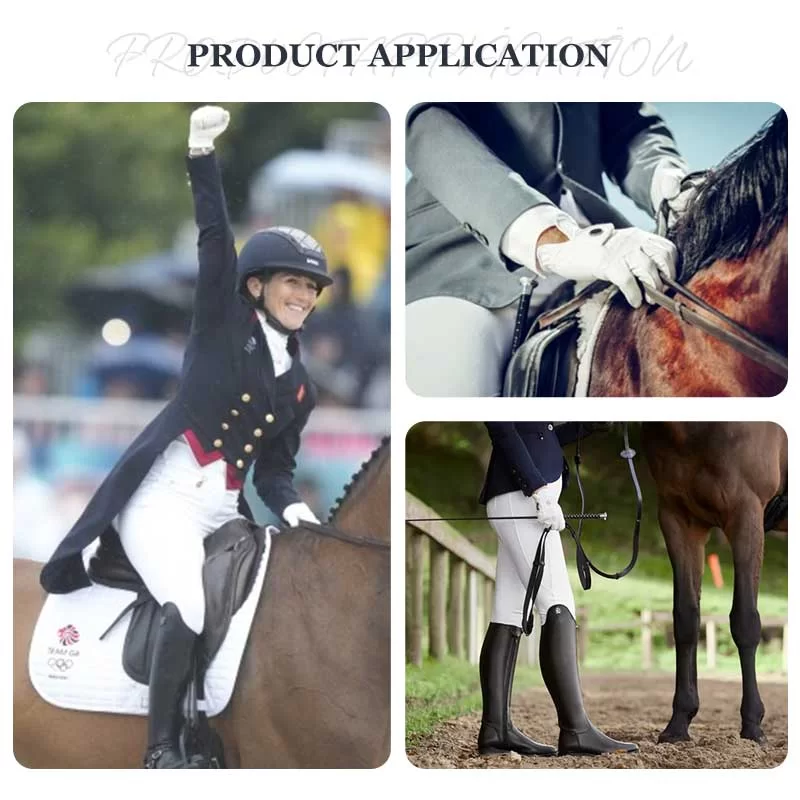
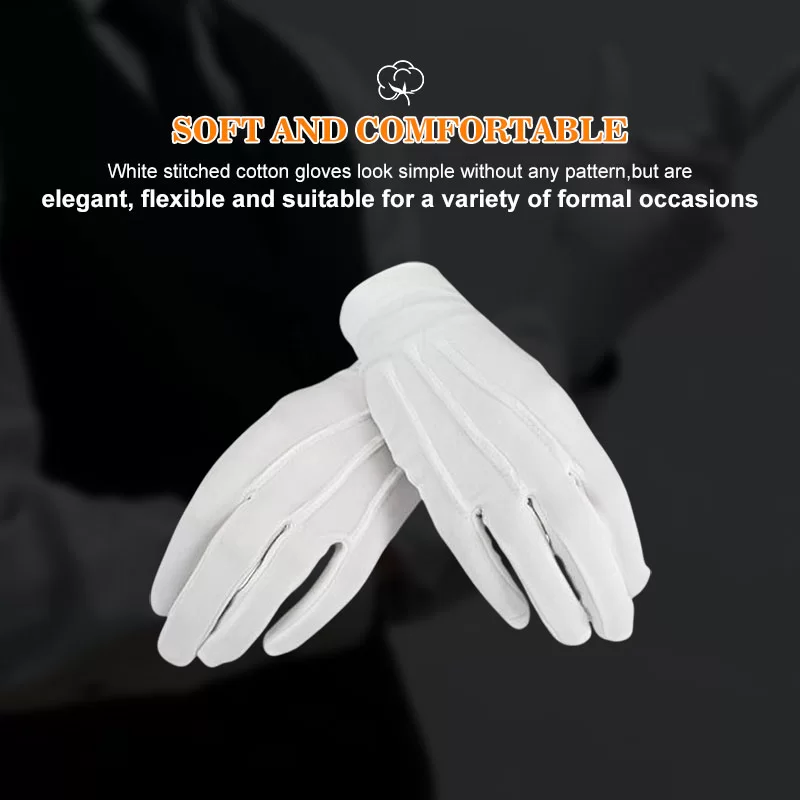
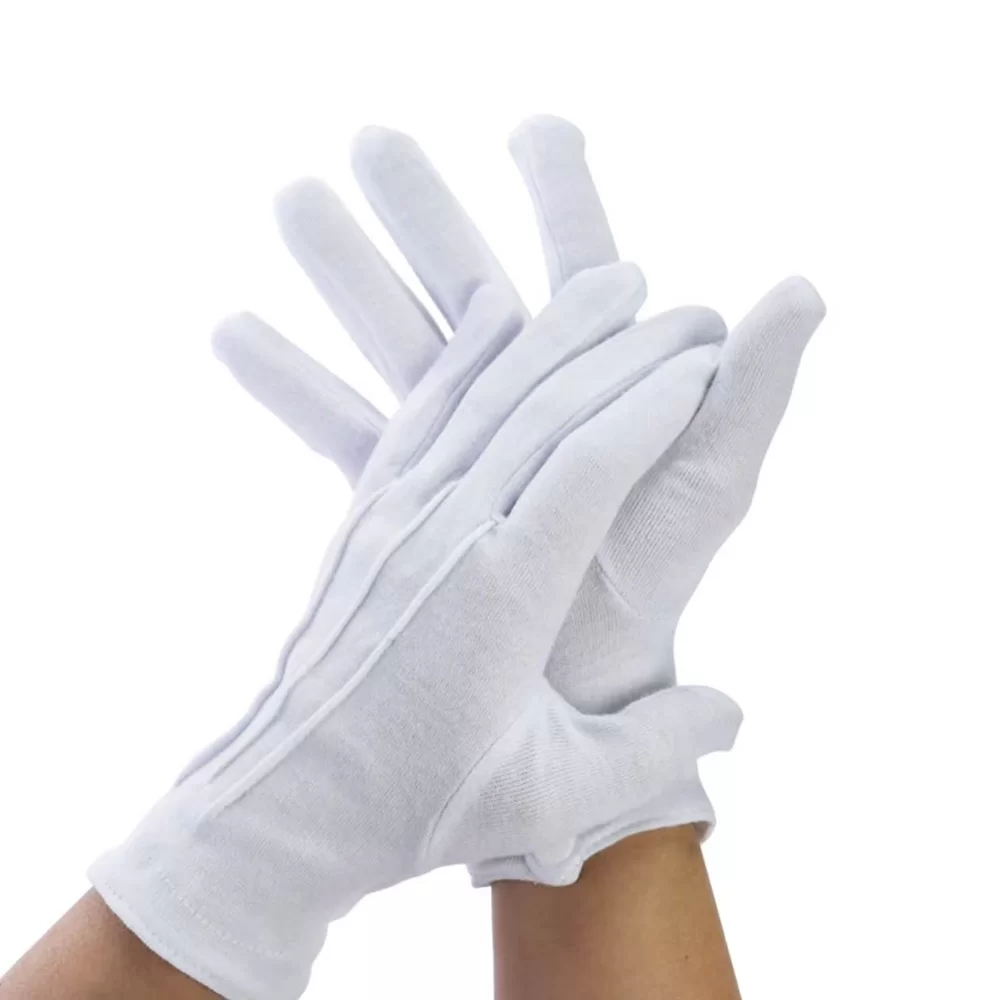

High-Performance warm riding gloves for Afghanistan's Diverse Terrain

Advanced industrial textile solutions providing thermal protection and precision grip for demanding environments across Afghanistan.

High-Performance warm riding gloves for Afghanistan's Diverse Terrain

Integrating high-density textile engineering to deliver superior hand protection, from rugged mountainous logistics to formal urban diplomatic settings in Afghanistan.

Current State of Industrial Glove Manufacturing in Afghanistan

Analyzing the demand for specialized textile protection in extreme climates.

Afghanistan's textile market is currently characterized by a sharp divide between traditional hand-woven goods and the urgent need for industrial-grade protective gear. The extreme temperature fluctuations between the Hindu Kush mountains and the lowland deserts create a unique demand for warm riding gloves that can withstand abrasive dust and freezing winds.

Logistics and transportation sectors in Kabul and Herat are seeing a rise in the adoption of riding gloves black, as these provide a professional appearance combined with the necessary durability for long-haul motorcycle transit on unpaved roads.

Simultaneously, the emergence of formal administrative sectors has increased the requirement for polished attire, leading to a niche but growing market for gloves formal and specialized textile accessories that balance cultural modesty with modern professional aesthetics.

Evolution of Industrial Textile Protection

From basic wool insulation to advanced synthetic micro-structures.

Market Development History

Historically, hand protection in Afghanistan relied on heavy wool and leather. Before 2010, most "industrial" gloves were repurposed agricultural gear, offering minimal protection against modern mechanical friction or precision requirements.

Between 2010 and 2020, the introduction of synthetic blends began to shift the market. The transition toward microfiber gloves allowed for better dexterity and moisture-wicking properties, essential for the arid climate of the region.

Today, the focus has shifted toward specialized ergonomics. The evolution has moved from "general warmth" to "targeted functionality," where materials are engineered for specific tasks, such as high-grip riding or high-etiquette formal events.

Future Development Trends

Nano-Fiber Integration

We expect a surge in nano-textiles that offer extreme thermal regulation without adding bulk, evolving the current standards of winter gear.

Eco-Friendly Synthetic Polymers

As global sustainability trends reach Central Asia, biodegradable synthetic fibers will replace traditional plastics in industrial glove manufacturing.

Hybrid Smart Fabrics

Integrating conductive threads into short formal gloves and riding gear to allow touch-screen interaction without exposing skin to the cold.

Future Outlook for Afghanistan's Textile Sector

Predicting the shift toward high-tech industrial hand-wear.

Thermal Optimization
Developing advanced insulation layers specifically for high-altitude Afghan winters.
Abrasion Resistance
Enhancing the outer shell of industrial gloves to resist the abrasive effects of desert sand.
Ergonomic Precision
Custom-fit designs that reduce hand fatigue for professional drivers and technicians.
Cultural Adaptation
Integrating formal aesthetics with industrial strength for the Afghan corporate market.

Industry Outlook

Based on search trends for protective wear in the region, we anticipate a 15% annual growth in the demand for specialized synthetic gloves. The movement toward "Professionalism in Gear" is driving users away from generic imports toward engineered solutions.

The future of the Afghan market lies in the convergence of tradition and technology, where high-performance fabrics are used to solve the age-old problem of extreme weather exposure during transport and official duties.

Localized Application Scenarios in Afghanistan

Real-world deployment of specialized textile gloves.

1. High-Altitude Logistics Transit

Drivers navigating the Salang Pass require warm riding gloves to maintain grip and circulation in sub-zero temperatures.

2. Urban Professional Commuting

City commuters in Kabul prefer riding gloves black for their sleek look and protection against city dust and wind.

3. Diplomatic and Official Events

Government officials and delegates utilize gloves formal to adhere to strict professional dress codes during winter summits.

4. Precision Industrial Maintenance

Technicians working with sensitive electrical equipment use microfiber gloves to prevent contamination and ensure tactile precision.

5. Formal Social Gatherings

For traditional winter celebrations and formal receptions, short formal gloves provide a refined touch of elegance and warmth.

Brand Story

Global Development History of Shijiazhuang Hongmeida Trading Co., Ltd.

Foundational Excellence

Established with a mission to revolutionize industrial textiles, focusing on the core intersection of durability and comfort.

Technological Breakthroughs

Invested heavily in microfiber research to solve the problem of tactile loss in heavy-duty winter protection.

Global Expansion

Expanded our reach to challenging markets like Afghanistan, adapting our product lines to meet extreme climatic needs.

Quality Certification

Achieved international textile standards, ensuring every pair of gloves meets rigorous safety and performance benchmarks.

The Future Vision

Striving to be the primary provider of specialized protective hand-wear for the developing industrial landscapes of Central Asia.

Comprehensive Hand-Wear Portfolio for Afghanistan

From industrial safety to formal elegance, our products are engineered for the local environment.

Frequently Asked Questions - Afghanistan Market

Technical answers to common queries regarding our industrial textile products.

How do warm riding gloves perform in Afghan winters?

Our gloves utilize a multi-layered thermal system that traps heat while remaining breathable, specifically tested for high-altitude cold.

Are riding gloves black resistant to desert dust?

Yes, the high-density outer weave prevents fine particulate penetration, making them ideal for the dusty roads of Afghanistan.

What makes microfiber gloves better for industrial use?

They provide a superior strength-to-weight ratio and high abrasion resistance, which is critical for textile manufacturing workers.

Can gloves formal be worn for long periods in office settings?

Our formal line uses lightweight, hypoallergenic materials that ensure comfort during extended wear at diplomatic events.

What is the difference between formal and short formal gloves?

Short formal gloves offer more wrist mobility and are typically used for semi-formal events, whereas full formal gloves provide more coverage.

Do you offer bulk orders for textile companies in Afghanistan?

Yes, we specialize in B2B industrial supply, providing customized batches of protective gear tailored to specific factory requirements.

Get Expert Textile Advice Today

Contact our engineering team to find the perfect protective solutions for your business in Afghanistan.

Contact Us Now

If you are interested in our products, you can choose to leave your information here, and we will be in touch with you shortly.