

Premium Technical Textiles for warm riding gloves in the US Market

Advanced industrial textile manufacturing providing high-performance hand protection and formal accessories for the North American professional and equestrian sectors.

Premium Technical Textiles for warm riding gloves in the US Market

Our specialized manufacturing process integrates high-density polymers and thermal insulation to deliver professional-grade textile products tailored for the diverse climatic demands of the United States.

The Landscape of Specialized Textile Manufacturing in the USA

Analyzing the demand for high-performance handwear across North American regions.

The United States market for industrial textiles is currently characterized by a sharp divide between high-utility performance and aesthetic formality. In regions like the Northeast and Midwest, there is a critical demand for warm riding gloves that can withstand sub-zero temperatures while maintaining tactile precision for professional equestrian and industrial use.

Simultaneously, the metropolitan hubs of the East and West Coasts maintain a steady requirement for gloves formal, where the intersection of traditional etiquette and modern textile breathability is paramount. The market is shifting toward "smart" fabrics that offer both protection and elegance.

Moreover, the rise of precision cleaning and high-tech assembly in the US manufacturing belt has surged the adoption of microfiber gloves, as industries transition toward lint-free, non-abrasive materials to protect sensitive electronic and optical components.

Evolution of Industrial Handwear Textiles

From basic leather protection to engineered synthetic polymers.

Market Development History

In the early 20th century, the US textile industry relied heavily on heavy-duty leather and wool for protection. However, the 1980s marked a pivotal shift with the introduction of synthetic blends, allowing for the creation of riding gloves black that combined durability with a streamlined, professional look.

By the early 2000s, the "Microfiber Revolution" hit the industrial sector. The development of split-fiber technology enabled the mass production of microfiber gloves, replacing traditional cotton in clean-room environments due to superior absorption and residue-free properties.

From 2015 to the present, the focus has shifted toward specialized ergonomics and "occasion-based" manufacturing. This led to the refinement of short formal gloves, utilizing stretch-satin and high-elasticity polymers to ensure a bespoke fit for the North American formal wear market.

Future Development Trends

Phase-Change Materials (PCM)

Integration of PCM in winter gear to regulate hand temperature actively, evolving the standard for thermal protection in extreme US climates.

Biodegradable Synthetics

A shift toward recycled polymers to meet the growing US demand for sustainable textile manufacturing and eco-certified industrial products.

Haptic-Enhanced Fibers

Development of conductive textiles that allow seamless touchscreen interaction without sacrificing the grip or thickness of professional riding gear.

Industry Outlook and Technological Trajectory

Predicting the next 3-5 years of textile innovation in the United States.

Eco-Polymer Integration
Transitioning to closed-loop recycled microfibers to align with US ESG corporate mandates.
Thermal Mapping Tech
Using heat-map data to place insulation only where needed, reducing bulk in riding gear.
Precision Fit Algorithms
Implementing 3D scanning for a "perfect fit" in high-end formal and professional glove lines.
Antimicrobial Coatings
Applying silver-ion finishes to reduce odor and bacteria in high-friction athletic gloves.

Industry Outlook

Google search trends in the US indicate a growing interest in "performance luxury"—the intersection of high-technical specs and high-fashion aesthetics. We anticipate a surge in demand for hybrid materials that offer the grip of industrial textiles with the look of formal wear.

The future of the US textile market lies in hyper-specialization. Manufacturers who can pivot from mass production to niche, application-specific solutions—such as climate-controlled riding gear—will dominate the high-margin professional segment.

Localized Application Scenarios in North America

Real-world utility of professional textile products across the USA.

01. Professional Equestrian Events in Kentucky

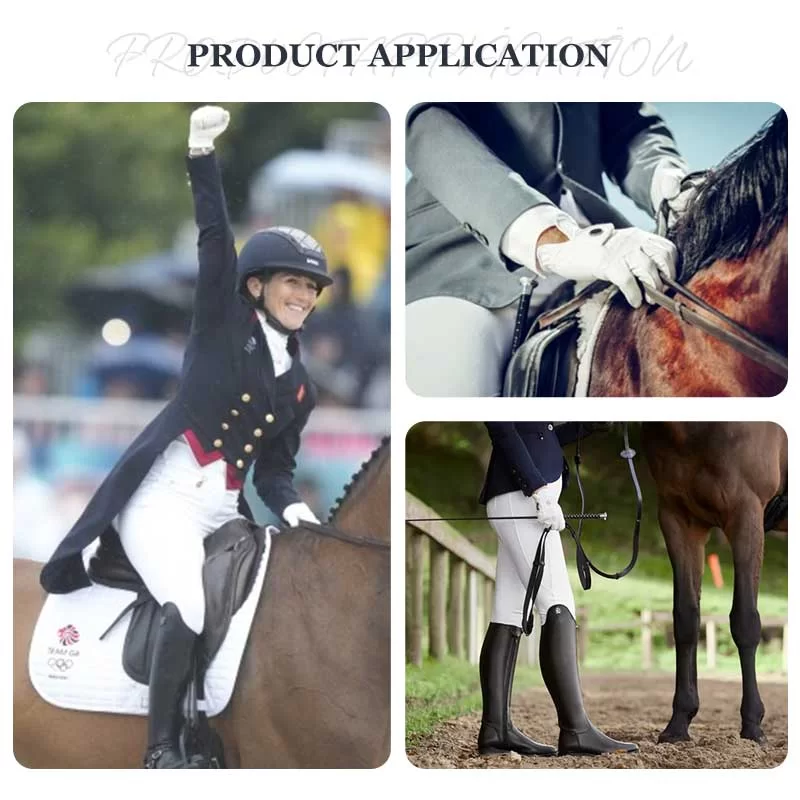
Utilizing riding gloves black for high-stakes competitions where grip consistency and a traditional aesthetic are required for professional judging standards.

02. Winter Training in New England

Deploying warm riding gloves for early morning training sessions in freezing temperatures, ensuring athlete safety without losing rein control.

03. Silicon Valley High-Tech Labs

Implementing microfiber gloves in clean-room environments for the handling of sensitive semiconductor wafers and optical lenses.

04. Gala Events in New York City

Providing short formal gloves for high-society events and corporate galas, blending luxury textile feel with contemporary fashion trends.

05. Diplomatic Receptions in Washington D.C.

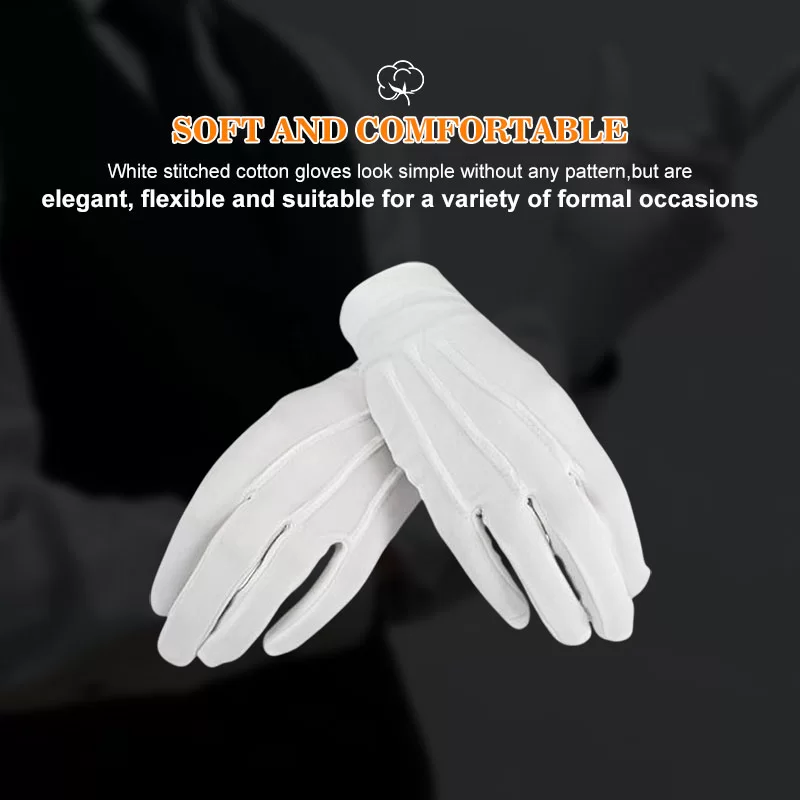
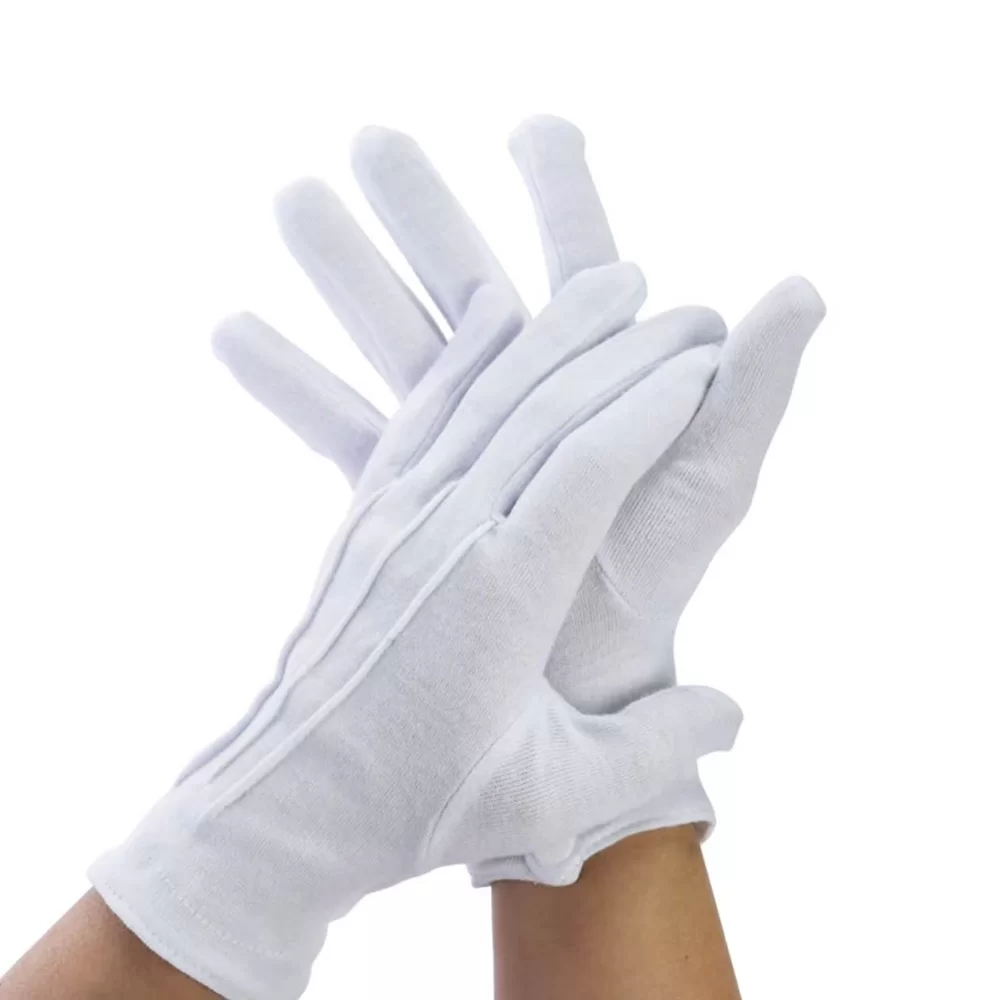
Using gloves formal to maintain traditional protocol and professional elegance during official state functions and diplomatic meetings.

Brand Story

Global Development History of Shijiazhuang Hongmeida Trading Co., Ltd.

The Foundation of Excellence

Founded with a vision to bridge the gap between industrial durability and wearer comfort, specializing in high-density textile weaving.

Technological Pivot

Invested heavily in microfiber and synthetic polymer research to replace outdated leather-only production lines.

Global Market Expansion

Expanded operations to the North American market, tailoring product specifications to meet US safety and fashion standards.

Quality Certification

Achieved international textile certifications, ensuring every pair of gloves meets rigorous tensile strength and breathability tests.

Sustainable Future

Committed to the "Green Textile" initiative, reducing water consumption in the dyeing process by 30%.

Comprehensive Textile Glove Portfolio for the US Market

From industrial microfiber to luxury formal wear, we provide a complete range of hand protection solutions.

Frequently Asked Questions - USA Logistics & Specs

Expert answers regarding our industrial and formal textile products.

What are the benefits of using microfiber gloves for industrial cleaning in the US?

Our microfiber gloves are engineered with split-fiber technology, making them lint-free and highly absorbent, which is essential for preventing contamination in high-precision US laboratories.

How do warm riding gloves handle the extreme cold of Midwest winters?

They utilize a multi-layer thermal barrier including brushed fleece and wind-resistant synthetic outer shells to maintain hand temperature without compromising equestrian grip.

Are riding gloves black suitable for professional equestrian competitions?

Yes, our black riding gloves are designed to meet the formal dress codes of most US equestrian associations, offering a sleek, professional look and superior durability.

What is the difference between gloves formal and short formal gloves?

While gloves formal typically refer to full-length traditional styles, short formal gloves are cropped at the wrist, offering a more modern, versatile look for cocktail events.

Can these industrial textiles be customized for US brand logos?

We provide full OEM/ODM services, including precision embroidery and screen printing for corporate branding on all our textile glove lines.

What maintenance is required for high-end formal textile gloves?

We recommend professional dry cleaning or gentle hand-washing with pH-neutral detergents to preserve the elasticity and sheen of the synthetic polymers.

Request a Technical Consultation

Our textile engineering team is ready to support your project requirements across the United States.

Contact Us Now

If you are interested in our products, you can choose to leave your information here, and we will be in touch with you shortly.