
High-Performance warm riding gloves Solutions for North Korea

Precision-engineered textile products designed to withstand the rigorous climate and industrial demands of the Korean Peninsula.

High-Performance warm riding gloves Solutions for North Korea

Providing advanced industrial textile protections, from specialized microfiber gloves for precision work to thermal gear for extreme winter conditions.

Industrial Textile Landscape in North Korea

Analyzing the survival and adaptation of specialized glove manufacturing in the region.

The manufacturing sector in North Korea faces unique challenges due to extreme seasonal temperature fluctuations. In winter, the demand for thermal protection is critical, making warm riding gloves a necessity for transport and logistics personnel operating in sub-zero temperatures.

Economically, the region relies heavily on durable, long-lasting industrial textiles. There is a growing shift toward synthetic blends that offer higher abrasion resistance, where the integration of microfiber gloves has begun to replace traditional heavy cotton in precision assembly lines.

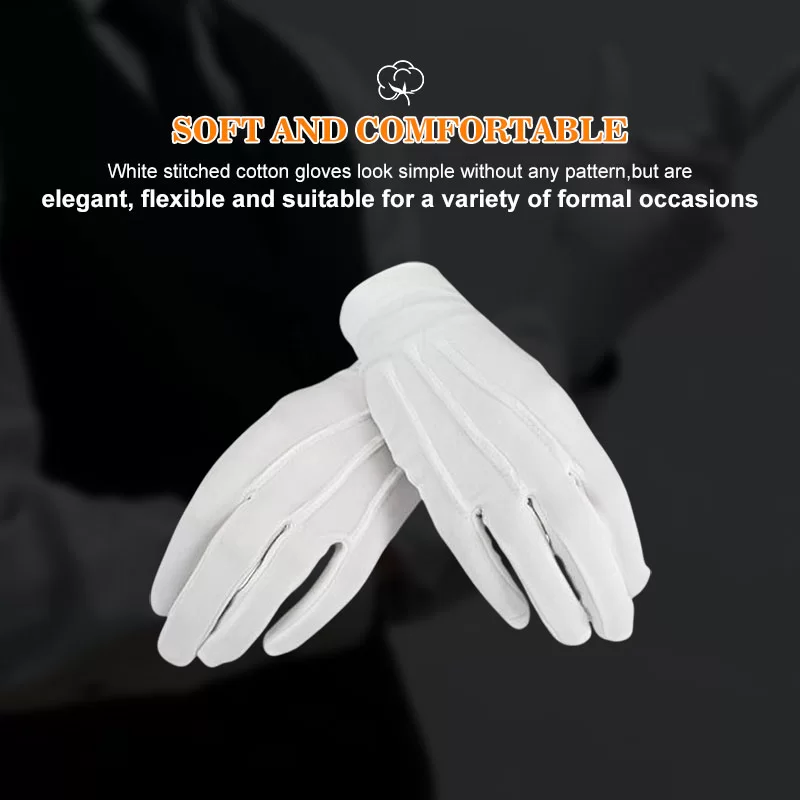
Furthermore, the demand for specialized attire, including gloves formal for administrative and diplomatic functions, reflects a niche but steady market for high-end textile finishing techniques within the local production hubs.

Evolution of Textile Engineering

From traditional wools to advanced synthetic polymers.

Market Development History

During the 1980s and 1990s, the industry relied almost exclusively on heavy natural fibers and basic leather. The primary focus was on utility and basic warmth, with little regard for ergonomic fit or moisture management.

Entering the 2010s, the introduction of synthetic blends allowed for the creation of riding gloves black that offered both professional aesthetics and improved grip, marking a transition toward industrial standardization.

By 2020, the adoption of microfiber technology revolutionized the sector. The ability to produce ultra-fine filaments enabled the manufacturing of short formal gloves that balanced delicacy with structural integrity.

Future Development Trends

Smart Thermal Integration

Integration of phase-change materials (PCM) to maintain constant hand temperature regardless of external North Korean winters.

Nano-Coating Technology

Applying hydrophobic nano-layers to industrial gloves to prevent moisture absorption in humid spring conditions.

Sustainable Polymer Sourcing

Shifting toward recycled polymers to reduce the environmental footprint of textile manufacturing plants.

Industry Outlook & Future Projection

Strategic forecasting for the textile manufacturing sector in East Asia.

Thermal Optimization
Enhanced insulation layers tailored for Arctic-level winds in the northern provinces.
Ergonomic Precision
Reducing hand fatigue through 3D-knitting technology for industrial operators.
Material Durability
Integration of aramid fibers to increase the lifespan of heavy-duty gear.
Digitalized Customization
Using AI-driven sizing to ensure perfect fit for varied labor demographics.

Industry Outlook

Over the next 3-5 years, we anticipate a surge in "hybrid-utility" textiles. As the local economy modernizes, there will be a higher demand for products that bridge the gap between industrial safety and professional appearance.

Based on regional search trends, there is an increasing interest in moisture-wicking fabrics that can be layered, indicating a shift toward a more modular approach to textile protection in North Korea.

Localized Application Scenarios

Practical deployments of textile solutions across different North Korean sectors.

01. State Logistics & Transport

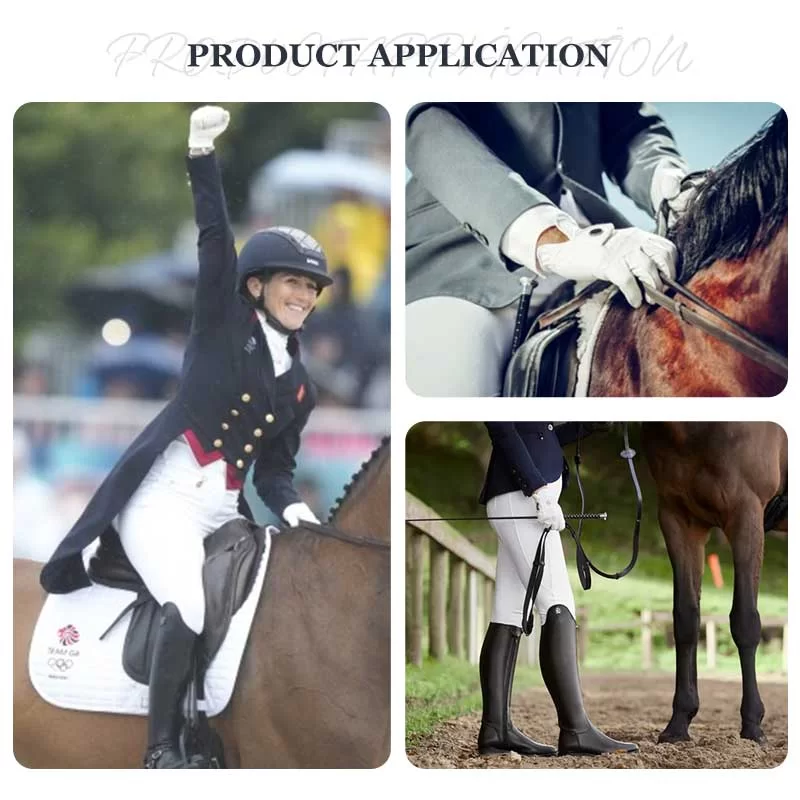
Drivers and couriers utilizing riding gloves black for maximum grip and a professional look during urban deliveries.

02. High-Precision Industrial Assembly

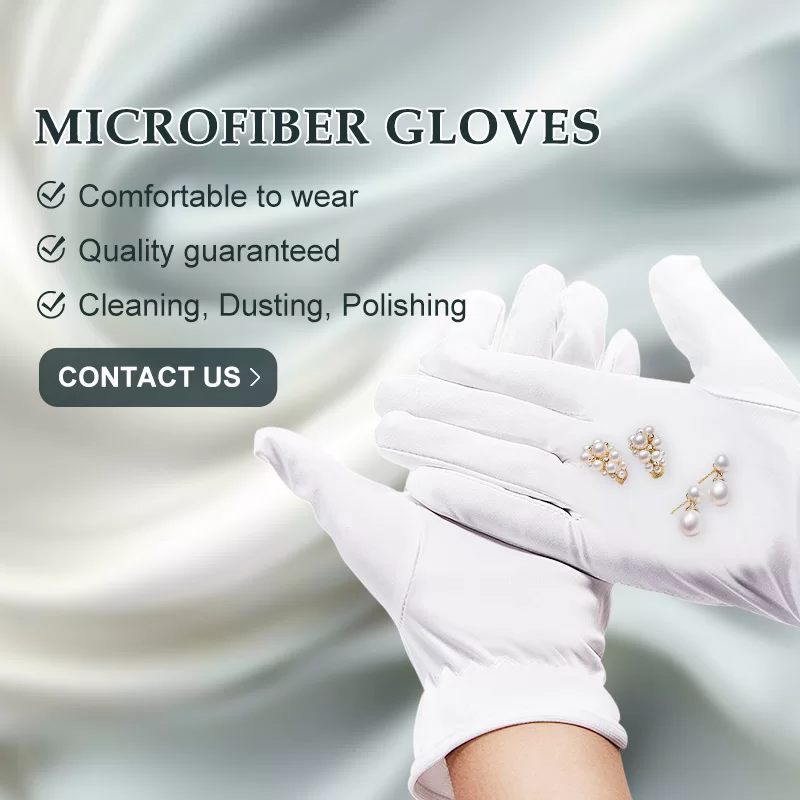
Technicians in electronics or machinery plants using microfiber gloves to prevent contamination and ensure tactile sensitivity.

03. Extreme Winter Infrastructure Work

Outdoor construction crews employing warm riding gloves to maintain dexterity while operating heavy machinery in freezing temperatures.

04. Diplomatic and Administrative Events

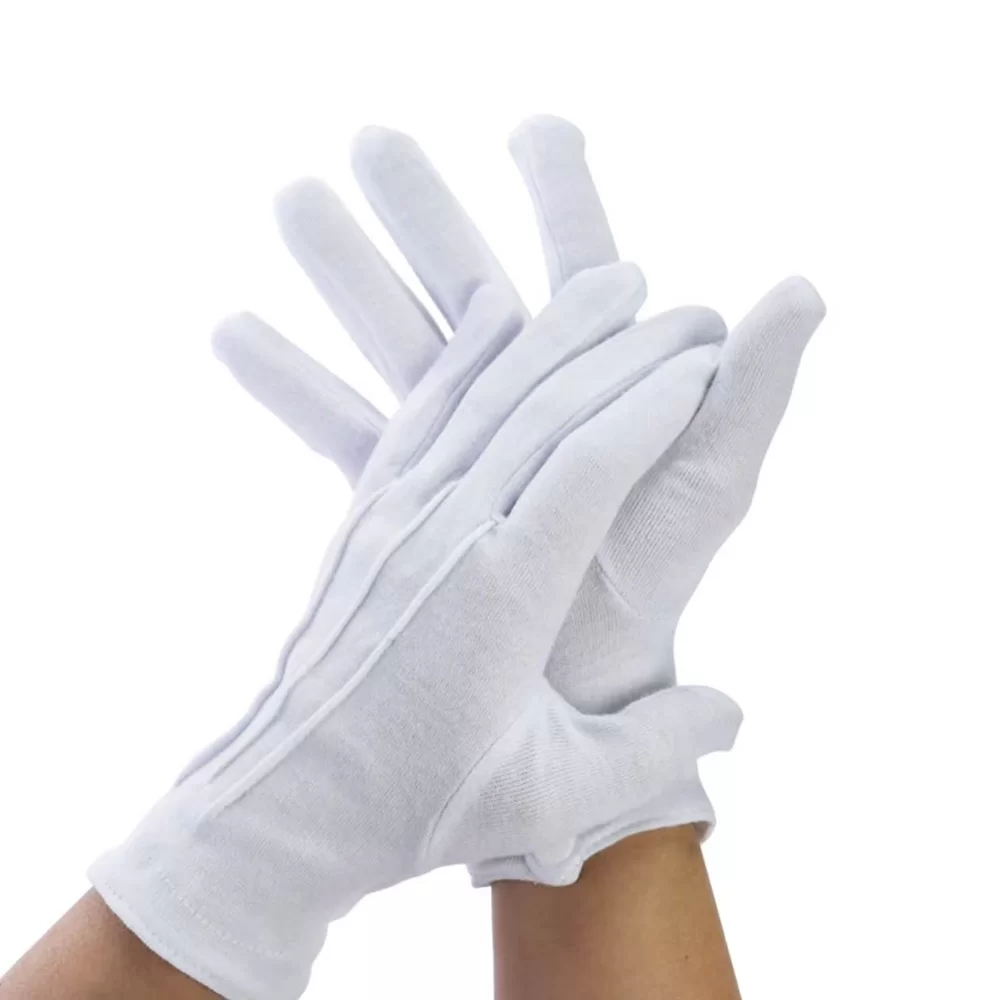
Officials wearing gloves formal during official receptions to adhere to strict dress codes and cultural etiquette.

05. Luxury Hospitality & Service

Staff in high-end service sectors utilizing short formal gloves for aesthetic elegance and hygienic handling.

Brand Story

Global Development Journey of Shijiazhuang Hongmeida Trading Co., Ltd.

Foundational Excellence

Established with a vision to solve the lack of durable industrial gloves, focusing on high-tensile strength fabrics.

Material Innovation

Pioneered the integration of microfiber technology into industrial workwear, enhancing both comfort and durability.

Global Market Expansion

Expanded operations to serve the East Asian market, adapting products for specific climatic challenges in North Korea.

Standardization Leadership

Achieved international certifications for textile safety, ensuring all formal and industrial gloves meet global quality benchmarks.

Future-Proof Textiles

Currently investing in sustainable, eco-friendly polymer research to lead the next generation of textile manufacturing.

Complete Product Portfolio for North Korea

A comprehensive range of gloves tailored for every industrial and formal requirement.

Regional FAQ

Addressing the most common technical inquiries from our North Korean partners.

What makes your microfiber gloves suitable for precision assembly?

Our microfiber gloves use an ultra-dense weave that prevents lint shedding and provides superior tactile feedback, essential for delicate industrial work.

Do warm riding gloves provide enough protection for sub-zero temperatures?

Yes, our thermal series features multi-layer insulation and wind-blocking membranes specifically designed for extreme winter climates.

Are riding gloves black available in bulk for corporate fleets?

Absolutely. We offer tiered pricing and customized bulk packaging for corporate logistics and government transport fleets.

What is the difference between gloves formal and short formal gloves?

Formal gloves generally cover the wrist and are for traditional ceremonies, while short formal gloves offer a modern, cropped fit for hospitality and light events.

How do I maintain the elasticity of industrial microfiber gear?

We recommend low-temperature washing and air-drying to preserve the synthetic polymer structure and elasticity of the fabric.

Can these gloves be customized with local organizational logos?

Yes, we provide high-precision embroidery and silk-screen printing options for all our industrial and formal glove lines.

Connect With Our Experts

Get a tailored textile solution for your business operations in North Korea.

Contact Us Now

If you are interested in our products, you can choose to leave your information here, and we will be in touch with you shortly.