


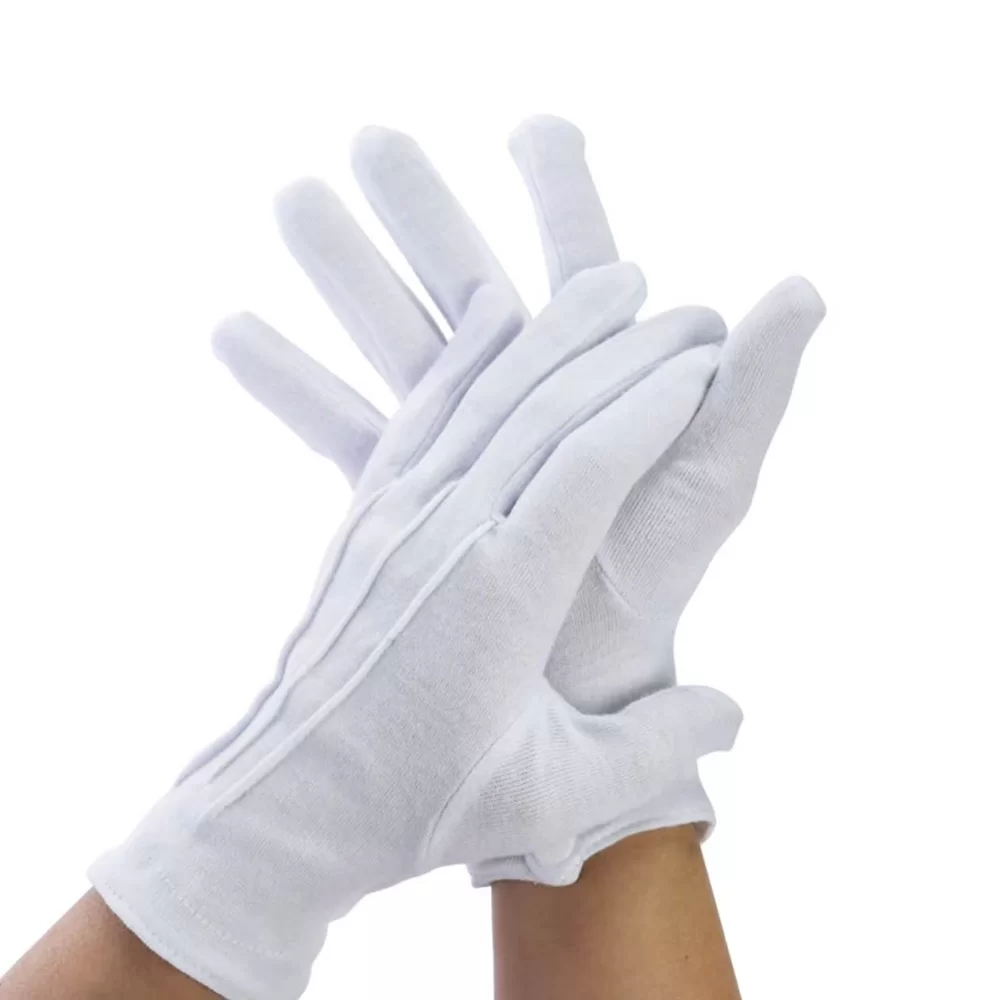
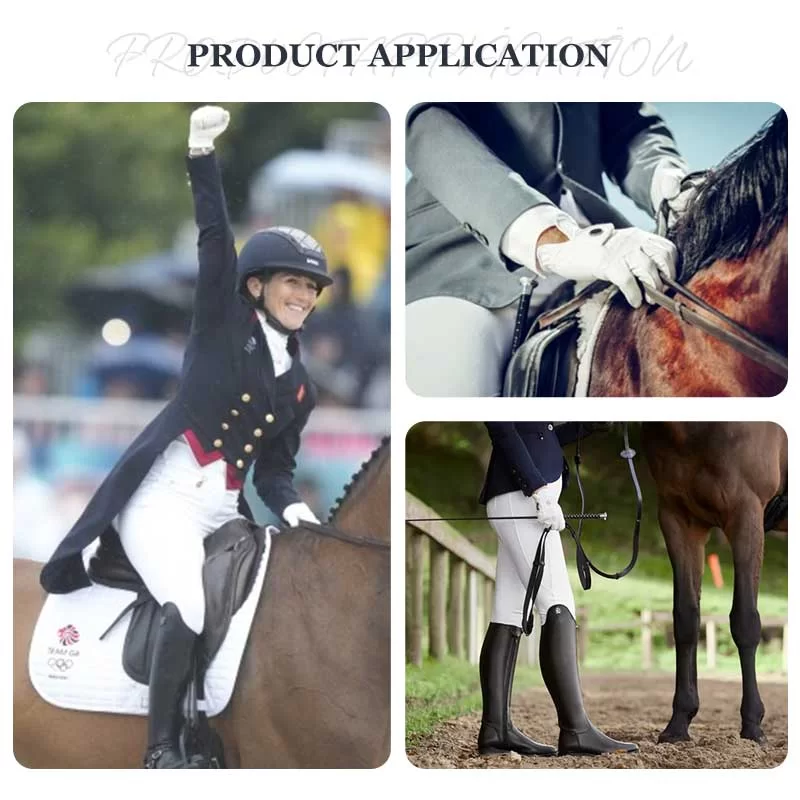
High-Performance warm riding gloves for Belarus Industrial Markets

Advanced textile solutions engineering for extreme climates, combining durability with ergonomic precision for professional use.

High-Performance warm riding gloves for Belarus Industrial Markets

Integrating cutting-edge synthetic fibers and thermal insulation to meet the rigorous demands of the Belarusian industrial and transport sectors.

Industrial Textile Landscape in Belarus

Analyzing the intersection of severe continental climates and industrial protective gear requirements.

Belarus faces extreme seasonal temperature fluctuations, where winter lows demand high-thermal efficiency in protective wear. The local industry relies heavily on durable microfiber gloves to ensure precision handling in manufacturing plants while resisting abrasion from heavy machinery.

In the transport and logistics sector, there is a growing demand for riding gloves black that offer both a professional aesthetic and high-grip functionality. The shift toward specialized industrial textiles is driven by the need to reduce workplace injuries during the harsh Belarusian winters.

Currently, the market is transitioning from generic wool-based products to engineered synthetic composites. This evolution ensures that workers maintain dexterity without sacrificing heat retention, a critical factor for outdoor industrial operations across the region.

Evolution of Protective Handwear Technology

From traditional heavy fabrics to smart, breathable industrial textiles.

Market Development History

Prior to 2010, the Belarusian market was dominated by thick, non-breathable leather and wool gloves which provided warmth but lacked the tactical precision required for modern machinery.

Between 2011 and 2018, the introduction of synthetic blends led to the adoption of gloves formal styles for supervisory roles, bridging the gap between industrial utility and corporate appearance.

From 2019 to the present, the integration of microfiber and nano-coatings has revolutionized the industry, allowing for the production of short formal gloves that offer high puncture resistance and moisture-wicking capabilities.

Future Development Trends

Smart Thermal Regulation

Integration of phase-change materials (PCMs) to automatically adjust heat levels based on the ambient temperature of the Belarusian environment.

Sustainable Bio-Synthetic Fibers

A shift toward recycled polymers and biodegradable microfibers to align with European environmental directives and green manufacturing goals.

Ergonomic Kinetic Design

Using 3D scanning to create gloves that mirror the natural curvature of the hand, reducing muscle fatigue during prolonged industrial shifts.

Industry Outlook and Strategic Forecast

Projecting the trajectory of industrial textile adoption in Eastern Europe.

Climate-Adaptive Materials
Development of fabrics that react to the drastic Belarusian winter, providing instant insulation.
Hybrid Utility Design
Merging the elegance of formal wear with the durability of industrial-grade textiles.
Nano-Coating Integration
Implementing hydrophobic and oleophobic layers to prevent contamination in chemical plants.
Precision Ergonomics
Reducing repetitive strain injuries through anatomically mapped textile tension.

Industry Outlook

Based on search trends in Eastern Europe, there is a sharp increase in demand for specialized technical apparel that combines safety with aesthetics. The Belarusian market is moving toward a "Professional Hybrid" model where gear must perform in a factory but look appropriate in a boardroom.

Over the next 3-5 years, we expect the adoption of smart fibers to grow by 20% annually, as industrial hubs in Minsk and Gomel modernize their equipment and safety protocols to meet EU standards.

Localized Applications in Belarus

Real-world deployment of advanced textile handwear across key Belarusian sectors.

1. Heavy Machinery Maintenance in Minsk

Utilizing high-density microfiber for precision component handling in automotive plants, ensuring zero lint contamination.

2. Logistics and Fleet Management

Deployment of professional riding gloves black for fleet operators to maintain grip and professional appearance during transit.

3. Outdoor Infrastructure Engineering

Implementing thermal-layered gloves to protect engineers from frostbite during winter bridge and road construction.

4. Pharmaceutical Laboratory Control

Using short-form synthetic gloves to provide a barrier against chemical irritants while maintaining maximum tactile sensitivity.

5. Industrial Management and Supervision

Adopting streamlined, professional handwear for site managers who transition between outdoor inspections and office meetings.

Brand Story

Global Development Journey of Shijiazhuang Hongmeida Trading Co., Ltd.

Foundational Excellence

Established with a vision to revolutionize industrial textiles, focusing on the core need for durability and precision.

Technological Breakthrough

Investing in R&D to integrate advanced synthetic microfibers into everyday industrial wear, solving the dexterity-warmth paradox.

European Market Expansion

Tailoring products to meet the rigorous climatic and safety standards of the Europe-Belarus region.

Quality Certification

Achieving international benchmarks in textile strength and thermal resistance to ensure worker safety globally.

Sustainable Future

Committing to eco-friendly manufacturing processes to lead the industry toward a greener, safer future.

Comprehensive Protective Handwear Suite for Belarus

A curated selection of textile solutions engineered for the unique Belarusian industrial climate.

Belarus Industrial Glove FAQ

Expert answers to common technical queries regarding industrial textiles.

How do microfiber gloves perform in sub-zero temperatures?

Our engineered microfiber blends are designed with integrated thermal linings that trap heat while maintaining a thin profile for precision work.

Are riding gloves black suitable for professional corporate environments?

Yes, the sleek black design is specifically crafted to meet formal aesthetic standards while providing industrial-grade grip and protection.

What is the lifespan of warm riding gloves in heavy industrial use?

Depending on the intensity of abrasion, our high-denier synthetic blends typically maintain structural integrity for 6-12 months of daily use.

Can gloves formal be used for light machinery operation?

Our formal line incorporates reinforced palms, making them suitable for light operational tasks where a professional appearance is required.

What are the benefits of short formal gloves in a lab setting?

The shorter cuff reduces bulk and interference with lab coats, while the synthetic material provides a superior barrier compared to cotton.

Do these industrial textiles meet EU safety regulations?

All our products undergo rigorous testing to align with international textile safety and performance standards, ensuring compatibility with EU directives.

Consult Our Textile Experts

Get a customized protective gear strategy for your operations in Belarus.

Contact Us Now

If you are interested in our products, you can choose to leave your information here, and we will be in touch with you shortly.