
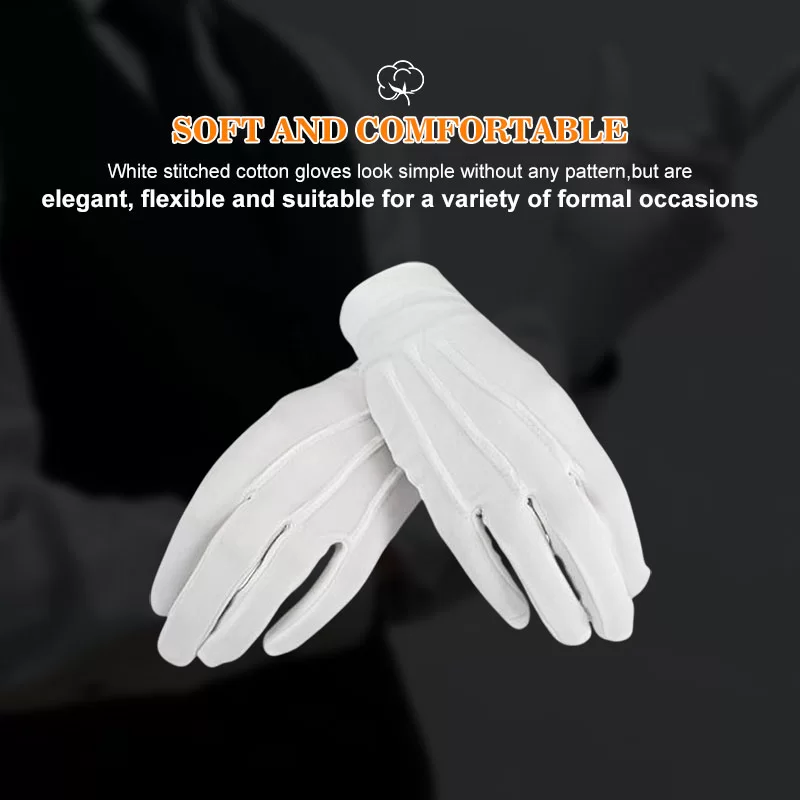


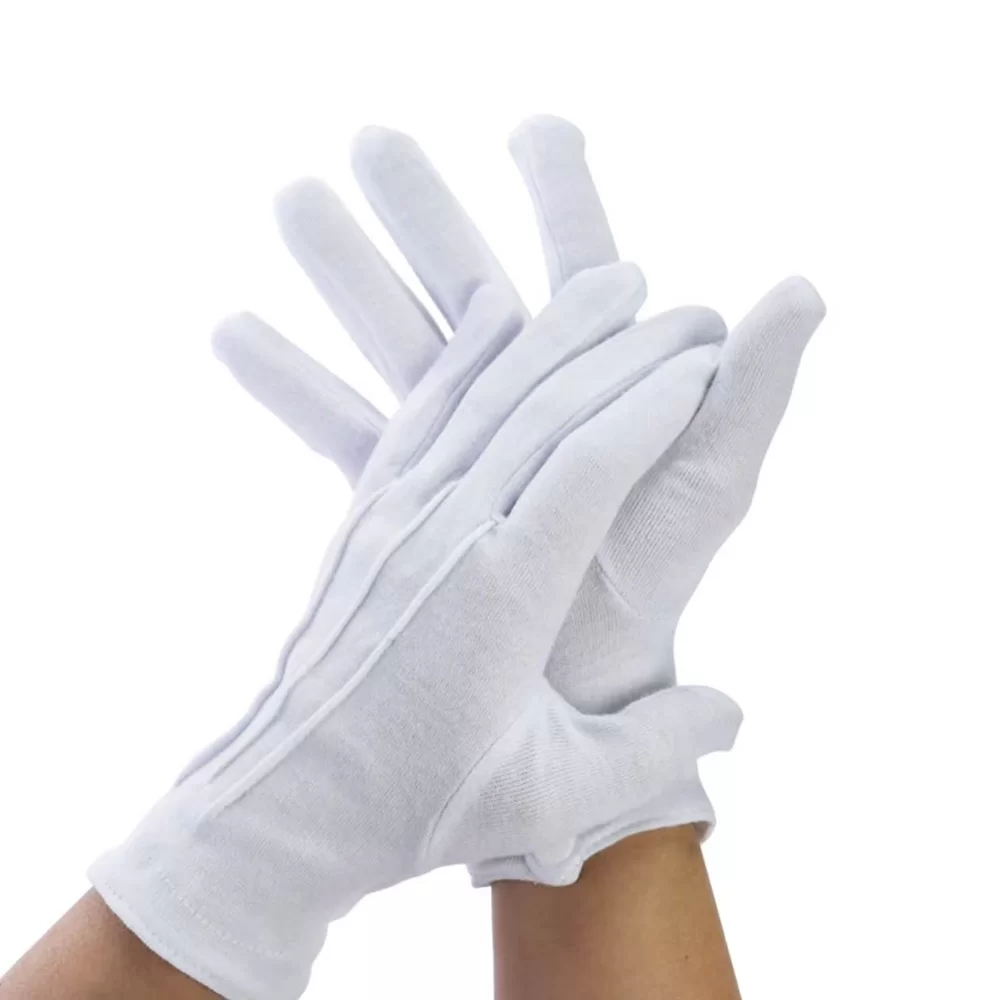
High-Performance riding gloves black Solutions for Ecuador's Textile Sector

Providing precision-engineered textile products designed for the diverse climates and industrial demands of the Ecuadorian market.

High-Performance riding gloves black Solutions for Ecuador's Textile Sector

Specialized manufacturing of industrial-grade textile gloves that combine durability with the specific ergonomic needs of South American riders and professionals.

Textile Manufacturing Landscape in Ecuador

Analyzing the current state of industrial glove production and consumption in the Andean region.

Ecuador presents a unique challenge for the textile industry due to its diverse geography, ranging from the humid coast to the cold highlands of the Andes. In this environment, the demand for warm riding gloves has surged as urban mobility increases in high-altitude cities like Quito, where temperature drops require specialized thermal insulation.

The local market is currently shifting from basic cotton-based protective wear to advanced synthetic polymers. There is a growing preference for microfiber gloves due to their superior abrasion resistance and moisture-wicking properties, which are essential for the humid conditions found in Guayaquil and surrounding coastal industrial zones.

Furthermore, the economic integration within the Andean Community has pushed Ecuadorian manufacturers to adopt higher international standards. This has led to a niche but growing market for gloves formal that maintain industrial strength while meeting the aesthetic requirements of corporate and ceremonial equestrian events.

Evolution of Industrial Textile Technology

From traditional weaving to the era of smart synthetic fibers.

Market Development History

Prior to 2010, the Ecuadorian textile market relied heavily on traditional leather and heavy cotton fabrics. These materials provided basic protection but lacked the breathability and versatility required for modern industrial applications, often failing under extreme moisture conditions.

Between 2010 and 2020, the introduction of blended synthetic fibers marked a significant turning point. The adoption of microfiber technology allowed for the creation of lightweight yet durable options, such as short formal gloves, which bridged the gap between professional protection and formal attire.

Since 2021, the focus has shifted toward "Smart Textiles." Current manufacturing now integrates antimicrobial coatings and enhanced thermal regulation, ensuring that protective gear can withstand the erratic weather shifts characteristic of the Ecuadorian highlands.

Future Development Trends

Sustainable Bio-Polymers

The next 3 years will see a transition toward biodegradable synthetic fibers to align with Ecuador's environmental conservation goals, reducing the carbon footprint of textile production.

Ergonomic Precision Mapping

Using 3D scanning technology, gloves will be engineered to match the exact anatomical structure of the hand to reduce fatigue during long-duration industrial use.

Adaptive Thermal Regulation

Future materials will likely feature phase-change materials (PCMs) that automatically adjust warmth based on the external temperature, evolving the concept of traditional thermal wear.

Industry Trends and Future Outlook

Strategizing for the next decade of textile innovation in South America.

Eco-Friendly Materials
Integration of recycled ocean plastics into high-tenacity microfiber fabrics.
Digitized Manufacturing
Implementation of Industry 4.0 automated cutting and sewing for zero-waste production.
Hybrid Functionality
Developing gloves that transition from industrial protection to formal aesthetics.
Advanced Ergonomics
Using kinetic mapping to enhance flexibility in the finger joints.

Industry Outlook

Based on search trend logic in the South American region, we predict a 15% increase in demand for specialized "climate-adaptive" gear. Users are no longer looking for general-purpose gloves but rather products tailored to the specific humidity of the coast and the chill of the mountains.

The future will be defined by the intersection of luxury and utility. The rise of formal events in urban centers like Quito and Guayaquil will drive the market for high-end textile gloves that offer industrial-grade durability without sacrificing elegance.

Localized Application Scenarios in Ecuador

Real-world use cases across the diverse Ecuadorian landscape.

01. Andean Highlands Logistics

Courier and delivery services in Quito utilize warm riding gloves to maintain grip and warmth during early morning mountain transits.

02. Coastal Industrial Maintenance

Technicians in the Guayaquil shipping ports rely on microfiber gloves for their ability to resist saltwater corrosion and provide high tactile sensitivity.

03. Professional Equestrian Events

Riders participating in formal competitions in the Pichincha region prefer riding gloves black to match traditional attire while ensuring maximum control.

04. Corporate Diplomatic Functions

For high-profile events in embassy districts, short formal gloves are used to combine professional etiquette with subtle protection.

05. High-End Hospitality Services

Luxury hotels in the Galápagos and mainland regions employ gloves formal for concierge services, ensuring a polished image and hygienic interaction.

Brand Story

Global Development Journey of Shijiazhuang Hongmeida Trading Co., Ltd.

Foundation of Excellence

Established with a vision to revolutionize industrial textiles, focusing on solving the gap between protective utility and wearer comfort.

Technological Breakthrough

Invested in advanced microfiber weaving processes to create fabrics that are 5x more durable than traditional synthetic alternatives.

Global Market Expansion

Expanded operations into South America, tailoring product lines specifically for the varied climates of the Ecuadorian market.

Commitment to Sustainability

Implemented green manufacturing protocols, ensuring that every glove produced minimizes waste and environmental impact.

The Future of Textiles

Continuing to pioneer smart-fabric integration to provide the global industrial sector with the next generation of hand protection.

Comprehensive Product Portfolio for Ecuador

A curated selection of high-performance gloves designed for Andean and Coastal environments.

Frequently Asked Questions for the Ecuador Market

Expert answers to common industrial and commercial glove queries.

Which material is best for microfiber gloves in humid coastal regions?

For humid areas like Guayaquil, we recommend high-density polyester microfiber with a moisture-wicking treatment to prevent sweat accumulation and increase grip.

Are riding gloves black suitable for professional equestrian competitions?

Yes, our professional series is designed to meet international equestrian standards, offering a sleek black finish that complies with formal competition dress codes.

How do warm riding gloves perform in the high-altitude cold of Quito?

Our thermal series utilizes multi-layer insulation and wind-blocking membranes, specifically tested to maintain hand temperature in Andean climates.

What is the difference between gloves formal and short formal gloves?

Formal gloves typically offer full-hand coverage for traditional ceremonies, while short formal gloves are designed for a more modern, versatile look that allows for greater wrist mobility.

Can industrial microfiber gloves be washed without losing durability?

Yes, our synthetic blends are designed for industrial laundering. We recommend mild detergents and air drying to maintain the integrity of the fibers.

Do you provide customized sizing for the South American market?

Absolutely. We utilize localized ergonomic data to ensure our gloves fit perfectly, reducing stress points and enhancing long-term comfort for users in Ecuador.

Ready to Upgrade Your Industrial Textiles?

Contact our expert team today for customized solutions tailored to the unique industrial needs of Ecuador.

Contact Us Now

If you are interested in our products, you can choose to leave your information here, and we will be in touch with you shortly.