
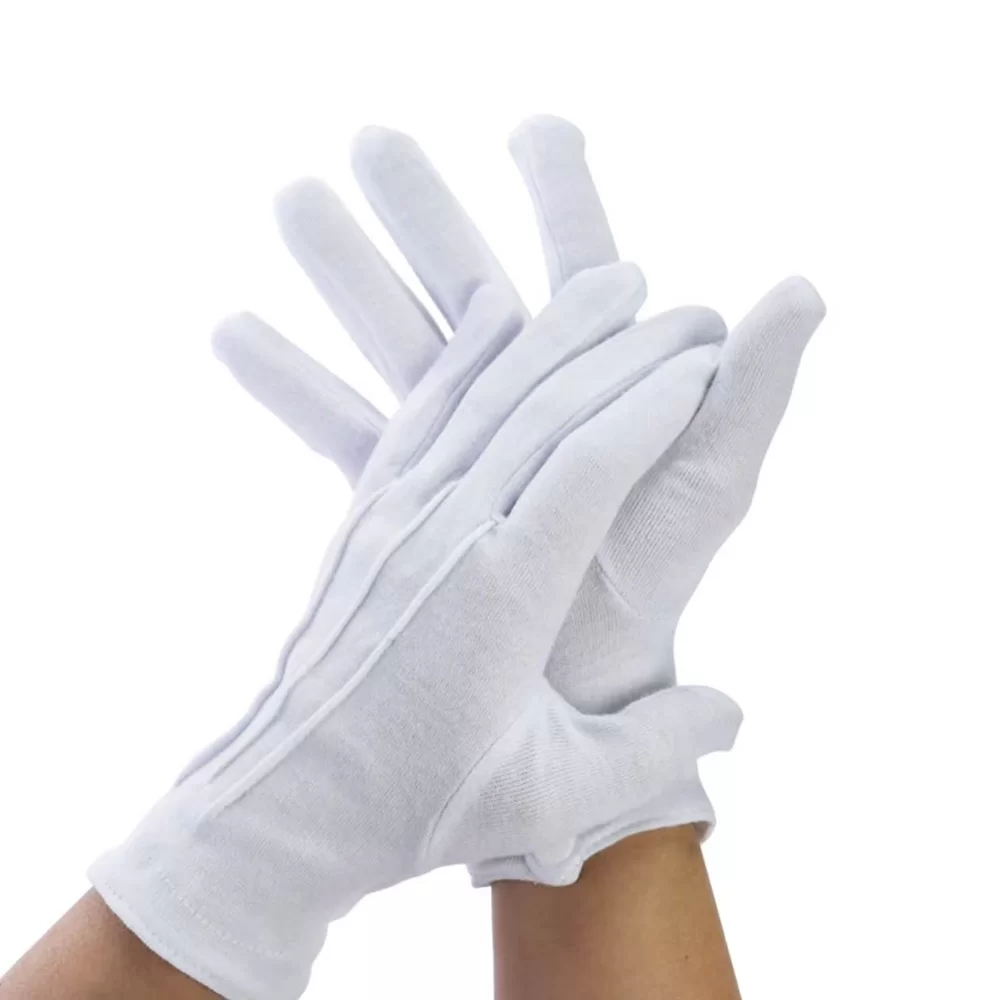



High-Performance riding gloves black Solutions for DRC

Providing industrial-grade textile protective gear tailored for the Democratic Republic of the Congo's challenging environments, from mining hubs to urban centers.

High-Performance riding gloves black Solutions for DRC

Integrating advanced textile engineering with local ergonomic needs to deliver superior protection and durability in the Democratic Republic of the Congo.

Textile Manufacturing Landscape in the Democratic Republic of the Congo

Analyzing the demand for specialized industrial hand protection in the Central African region.

The Democratic Republic of the Congo presents a unique market where industrial textile needs are driven by the mining sector and expanding urban logistics. There is a growing shift from generic hand protection to specialized microfiber gloves that can withstand high abrasion while remaining breathable in humid tropical climates.

In urban hubs like Kinshasa and Lubumbashi, the rise of motorcycle logistics has created a surge in demand for durable warm riding gloves for highland regions and high-visibility, reinforced gear for city commuters facing unpredictable road conditions.

Furthermore, the formal corporate and diplomatic sectors in the DRC maintain a steady requirement for aesthetic yet functional accessories, leading to an increased import of gloves formal that balance professional prestige with the practicalities of the local environment.

Evolution of Industrial Glove Technology in DRC

From basic cotton weaves to high-tech synthetic polymers.

Market Development History

Prior to 2010, the DRC market relied heavily on traditional heavy-duty leather and basic cotton gloves, which often failed in the high-humidity environments of the Congo Basin, leading to rapid degradation and poor hygiene.

Between 2010 and 2020, the introduction of synthetic blends began to transform the industry. The adoption of microfiber technology allowed for the creation of short formal gloves and industrial variants that offered better moisture management and tensile strength.

From 2020 to the present, there has been a pivot toward "Smart Textiles." The integration of ergonomic palms and thermal regulation has made modern protective gear essential for the diverse climatic zones of the DRC, from the coast to the mountains.

Future Development Trends

Sustainable Bio-Polymers

Moving toward biodegradable synthetic fibers to reduce the environmental impact of industrial waste in the Congo River basin.

Climate-Adaptive Thermoregulation

Development of materials that automatically adjust breathability based on external humidity and temperature fluctuations.

Enhanced Anti-Impact Integration

Integrating lightweight carbon-fiber knuckles into riding gear to meet increasing safety standards for logistics operators.

Future Trends and Strategic Outlook for DRC Textiles

Predicting the next phase of industrial hand-wear evolution.

Micro-Fiber Innovation
Transitioning to ultra-fine denier fibers for enhanced dexterity in precision industrial tasks.
Thermal Adaptation
Developing hybrid layers that provide warmth for high-altitude regions while remaining breathable.
Ergonomic Fitting
Implementing 3D scanning to create gloves that perfectly match the regional anatomical data of the workforce.
High-Visibility Tech
Integrating reflective micro-bead technology to enhance rider safety during DRC's frequent rainy-season nights.

Industry Outlook

Google search trends indicate a significant increase in queries related to "protective industrial gear" and "breathable safety wear" within the Central African region. This suggests a shift in consumer behavior toward value-driven, high-spec products over cheap, disposable alternatives.

Over the next 3-5 years, we expect a convergence of fashion and function, where professional attire in the DRC will incorporate technical textiles, blending the needs of a formal boardroom with the rugged reality of field operations.

Localized Application Scenarios in DRC

Real-world use cases for our specialized textile products across the Democratic Republic of the Congo.

01. Mining Logistics in Katanga

Operators using heavy machinery in the copper belt require microfiber gloves to maintain grip on oily controls while protecting hands from abrasive mineral dust.

02. Kinshasa Urban Courier Services

Motorcycle delivery riders in the capital utilize riding gloves black to maintain a professional image while ensuring hand protection during dense city traffic.

03. Highland Transport in North Kivu

Drivers navigating the colder, mountainous terrain of the east rely on warm riding gloves to prevent numbness and maintain reaction speeds during transit.

04. Government Diplomatic Functions

Officials attending state events in Kinshasa employ gloves formal to adhere to international diplomatic dress codes while ensuring a touch of luxury.

05. Boutique Hospitality Events

High-end event planners and service staff in the DRC's luxury hotels use short formal gloves for a polished, professional appearance during gala dinners.

Brand Story

Global Development Journey of Shijiazhuang Hongmeida Trading Co., Ltd.

Founding Vision

Established with the mission to bridge the gap between high-end textile engineering and practical industrial application, solving the pain point of premature wear in harsh environments.

Technological Breakthrough

Developing a proprietary blend of microfiber and reinforced polymers that increased glove lifespan by 40% for the industrial sector.

African Market Entry

Strategically expanding into the DRC and neighboring regions, tailoring products to survive the extreme humidity and heat of Central Africa.

Quality Certification

Achieving global textile standards and certifications, ensuring that every pair of gloves meets rigorous safety and durability benchmarks.

Global Leadership

Today, we stand as a leading provider of specialized hand-wear, combining aesthetic elegance with industrial-strength performance worldwide.

Comprehensive Glove Portfolio for the DRC Market

A curated selection of industrial and formal hand-wear designed for the diverse needs of Congo.

Common Inquiries in Democratic Republic of the Congo

Expert answers to your most pressing questions about industrial textiles.

Which microfiber gloves are best for DRC's humid climate?

We recommend our moisture-wicking microfiber series, which allows for rapid evaporation and prevents skin irritation during high-humidity operations in the Congo Basin.

Do riding gloves black offer enough visibility for night travel?

Our black riding series includes discreet reflective piping on the knuckles and wrists, ensuring you stay visible to other drivers without compromising the professional aesthetic.

How do warm riding gloves perform in the mountains of North Kivu?

Our warm riding range features a thermal-regulating inner lining that traps heat while preventing sweat buildup, ideal for the fluctuating temperatures of the eastern highlands.

What is the difference between gloves formal and short formal gloves?

Full formal gloves typically extend further up the arm for high-ceremony events, while short formal gloves are designed for versatility and modern professional settings.

Can industrial textiles be customized for DRC mining standards?

Yes, we provide custom reinforcement in high-wear areas like the palm and thumb to meet the specific abrasion standards of the Katanga mining region.

How should I maintain my protective gear in tropical environments?

We suggest air-drying in shaded areas to avoid UV degradation and using mild detergents to preserve the integrity of the synthetic fibers.

Connect With Our Textile Experts

Ready to upgrade your industrial protection? We provide tailored shipping and support for all clients across the Democratic Republic of the Congo.

Contact Us Now

If you are interested in our products, you can choose to leave your information here, and we will be in touch with you shortly.