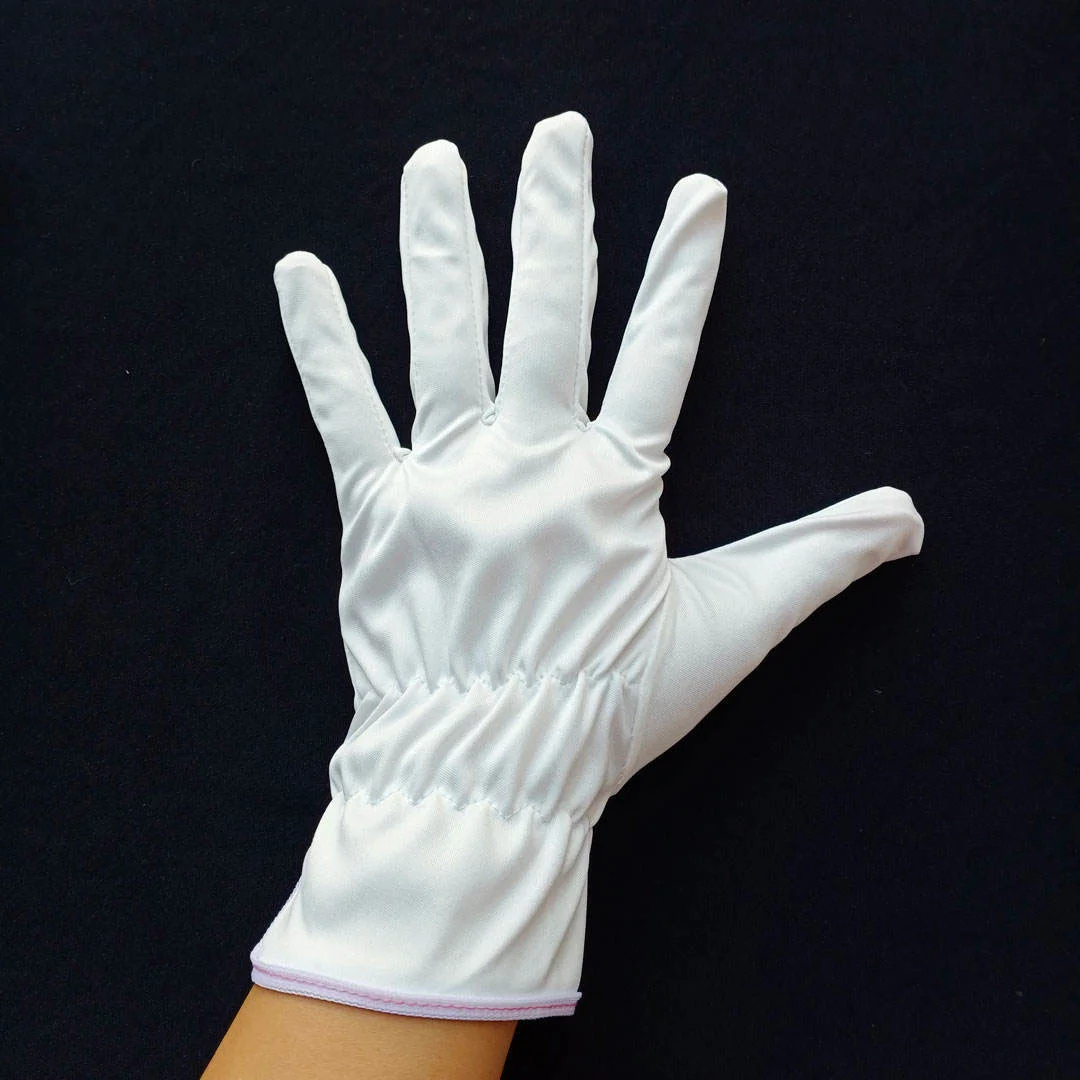
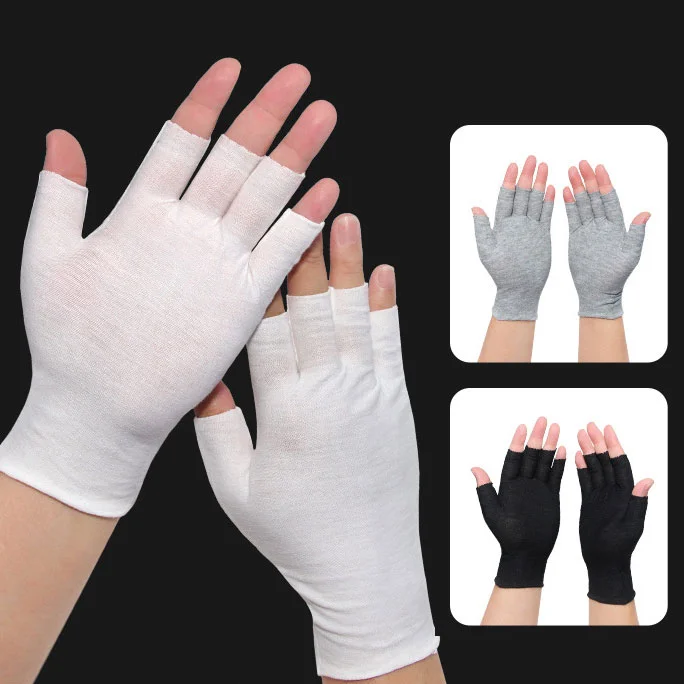
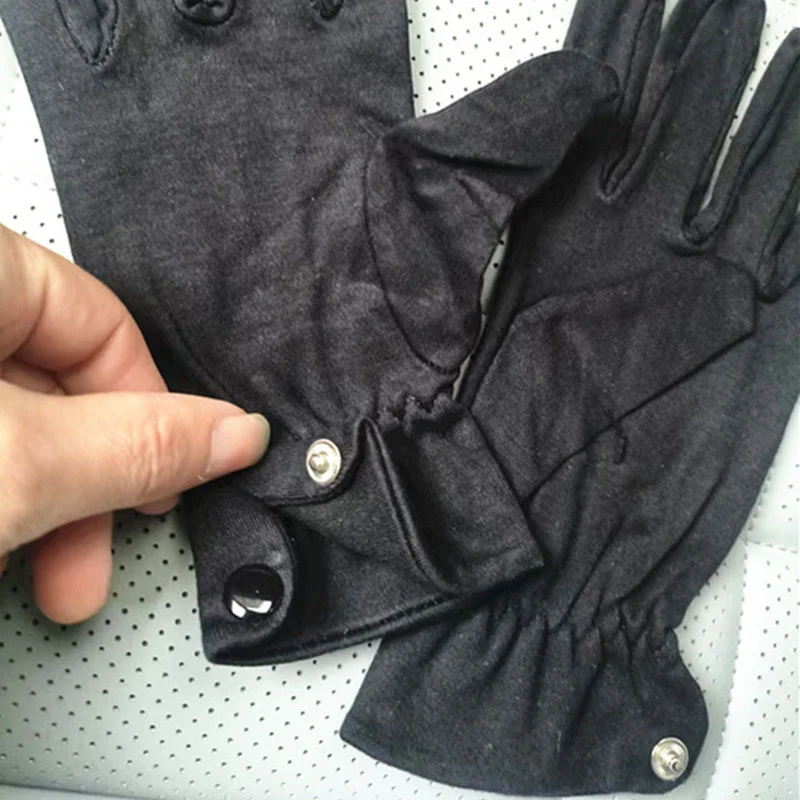
High-Performance riding gloves black for Australian Professionals

Engineering precision-crafted textile solutions for the demanding equestrian and industrial landscape of Oceania.

The Current State of Textile Handwear in Oceania - Australia

Analyzing the convergence of extreme climates and high industrial standards in the Australian market.

The Australian market for specialized textile products is characterized by extreme environmental diversity. In the southern regions, there is a surge in demand for warm riding gloves to combat the winter chill of the Victorian highlands, while the northern territories require breathable, high-durability materials that can withstand intense UV exposure and humidity.

Economically, Australia's equestrian and industrial sectors are shifting toward sustainable, synthetic alternatives. The adoption of microfiber gloves has accelerated as these materials offer a superior strength-to-weight ratio compared to traditional leather, aligning with the region's stringent animal welfare and environmental regulations.

Furthermore, the "formal" segment of the market remains prestigious. There is a consistent niche for gloves formal requirements in high-society sporting events, where the balance between traditional aesthetics and modern textile breathability is critical for professional performance.

Evolution of Australian Industrial Textile Handwear

From heavy-duty leather to smart synthetic fibers: A journey of technical iteration.

Market Development History

Between 1990 and 2005, the Australian market relied heavily on traditional heavy leather for equestrian and industrial use. These provided protection but suffered from poor breathability and high maintenance costs in the humid Australian climate.

From 2006 to 2015, the industry saw a pivot toward blended fabrics. The introduction of synthetic microfibers allowed for the creation of short formal gloves that maintained a sleek look while providing the durability needed for active riding.

Since 2016, the focus has shifted to "functional specificity." Modern manufacturing now utilizes 3D knitting and moisture-wicking membranes, ensuring that warm riding gloves provide thermal insulation without adding bulk, optimizing the tactile feedback for the rider.

Future Development Trends

Biodegradable Synthetic Polymers

Integration of PLA and other bio-based polymers to reduce the environmental footprint of synthetic textile production in Oceania.

Smart-Fiber Integration

Embedding conductive threads into fingertips for seamless touchscreen interaction without removing professional gear.

Adaptive Thermal Regulation

Development of phase-change materials (PCM) that adjust insulation levels based on the ambient temperature of the Australian outdoors.

Industry Trends & Future Outlook

Predicting the next trajectory of specialized textile manufacturing for the Australian region.

Eco-Conscious Sourcing
Shifting toward recycled ocean plastics and organic fibers to meet Australia's strict ESG goals.
Precision Ergonomics
Utilizing 3D hand-scanning technology to create bespoke fits for professional riders.
Hybrid Materiality
Combining traditional leather aesthetics with microfiber interiors for maximum comfort.
UV-Resistant Coatings
Advanced nanotechnology to prevent fabric degradation under the harsh Australian sun.

Industry Outlook

The next 3-5 years will see a significant shift toward "Smart Textiles." Google search trends in Australia indicate a rising interest in "breathable waterproof riding gear," suggesting that consumers are seeking products that can handle rapid weather transitions.

We expect the manufacturing sector to migrate toward on-demand, localized production to reduce shipping emissions and improve fit accuracy, blending traditional craftsmanship with AI-driven design tools.

Localized Application Scenarios in Australia

Real-world implementations of our textile solutions across diverse Australian landscapes.

01. Professional Dressage Events in New South Wales

Where prestige meets precision. Athletes utilize short formal gloves to maintain a classic aesthetic while ensuring the grip necessary for high-level control.

02. Winter Training in the Victorian Alps

Equestrians facing sub-zero mornings rely on our warm riding gloves, which combine thermal lining with wind-resistant outer shells.

03. Industrial Maintenance in Queensland Mining

Heavy-duty microfiber gloves are deployed here for their abrasion resistance and ability to handle oily components without slipping.

04. Daily Stable Management in Rural Australia

The versatile riding gloves black are the gold standard for daily chores, offering a balance of durability and breathability for long hours of wear.

05. High-Society Galas and Formal Ceremonies

Our gloves formal range provides the ultimate elegance for ceremonial duties and high-fashion events in Melbourne and Sydney.

Brand Story

Global Development Journey of Shijiazhuang Hongmeida Trading Co., Ltd.

Foundation & Vision

Established with a mission to solve the durability crisis in industrial textiles, we began by refining synthetic blends for extreme environments.

Material Innovation

We pioneered the integration of high-density microfibers into equestrian wear, bridging the gap between luxury and utility.

Global Expansion

Expanding into the Oceania market, we tailored our product lines to meet the unique climatic demands of the Australian continent.

Quality Standardization

Achieved international certifications for textile safety and environmental impact, ensuring every pair of gloves meets global standards.

The Future of Protection

Today, we continue to innovate, focusing on sustainable manufacturing and smart-textile integration for the next generation of users.

Common Questions from Our Australian Clients

Expert answers to technical queries regarding industrial and equestrian textile handwear.

How do microfiber gloves hold up against the Australian UV index?

Our microfiber materials are treated with advanced UV-stabilizers that prevent fiber degradation and color fading, ensuring longevity even under harsh sunlight.

What is the best temperature range for warm riding gloves in winter?

Our warm riding range is engineered for temperatures between 0°C and 15°C, providing thermal retention without compromising the rider's dexterity.

Can riding gloves black be washed without losing their grip?

Yes, our black riding gloves are designed for machine washing on gentle cycles. We recommend air drying to maintain the structural integrity of the grip panels.

What is the difference between gloves formal and short formal gloves?

Formal gloves cover a broader range of lengths, while short formal gloves are specifically designed for agility and ease of movement during competitive equestrian events.

Are synthetic microfiber gloves more breathable than leather?

Yes, our engineered microfibers allow for superior moisture vapor transmission, reducing sweat accumulation during high-intensity activities.

Do you provide bulk customization for Australian industrial textile firms?

Absolutely. We offer full OEM/ODM services, allowing you to customize material density, color, and branding for your specific industrial requirements.

Get in Touch with Our Textile Experts

Ready to elevate your handwear standards? Our team is available to provide tailored textile solutions for the entire region of Australia.

Contact Us Now

If you are interested in our products, you can choose to leave your information here, and we will be in touch with you shortly.