


Advanced Textile Solutions for warm riding gloves in Japan

Precision-engineered industrial textile products tailored for the Japanese market, combining ergonomic design with high-performance materials.

Advanced Textile Solutions for warm riding gloves in Japan

We provide specialized textile manufacturing services focusing on high-durability and thermal-efficient gloves designed to meet the rigorous quality standards of the Japanese industrial and consumer sectors.

The Landscape of Technical Glove Manufacturing in Japan

Analyzing the intersection of textile precision and regional climate demands.

Japan's textile market is characterized by an obsession with "Monozukuri" (the art of making things), where precision and longevity are paramount. In the realm of industrial textiles, there is a high demand for microfiber gloves that offer both lint-free performance for electronics manufacturing and superior tactile sensitivity.

The geographic diversity of Japan, from the snowy peaks of Hokkaido to the urban sprawl of Tokyo, creates a bifurcated market. While urban commuters seek riding gloves black for aesthetic professionalism and grip, the northern regions drive the need for advanced thermal insulation and moisture-wicking properties.

Currently, the industry is shifting toward sustainable "green" textiles. Japanese firms are increasingly integrating recycled polymers into their glove production, ensuring that high-performance gear doesn't come at the cost of environmental degradation, aligning with the national goal of a circular economy.

Evolution of Industrial Hand Protection

From traditional cotton weaves to smart synthetic membranes.

Market Development History

In the 1980s and 90s, the Japanese market relied heavily on heavy-duty cotton and basic leather. The focus was primarily on physical protection and durability for heavy industrial work, with limited attention to ergonomics or specialized thermal regulation.

The early 2000s saw a technical pivot toward synthetic blends. This era introduced the widespread use of gloves formal styles for professional services and the integration of microfiber technology to serve the booming semiconductor and automotive precision industries.

By 2015, the convergence of fashion and function led to the rise of specialized niches. We saw the emergence of short formal gloves that maintained professional etiquette while incorporating modern breathable fabrics, reflecting Japan's unique blend of tradition and modernity.

Future Development Trends

Integration of Graphene Heating

Expect a transition toward active heating elements within winter gear, moving beyond passive insulation to smart-regulated warmth.

Biodegradable Bio-Polymers

The replacement of petroleum-based synthetics with lab-grown proteins and plant-based fibers to meet strict ESG criteria.

Haptic Feedback Sensors

Integrating conductive threads into industrial gloves to allow seamless interaction with AR/VR interfaces in smart factories.

Industry Trends & Future Outlook

Strategic forecasts for the next 3-5 years in the Japanese textile sector.

Eco-Centric Materials
Rapid adoption of recycled ocean plastics and organic fibers to align with Japan's sustainability mandates.
Smart Textile Integration
Incorporating conductive yarns for touch-screen compatibility and health monitoring in professional gear.
Ergonomic Customization
Utilizing 3D scanning to create glove fits tailored to the specific anthropometric data of the East Asian population.
Hybrid Materiality
Combining traditional leather with high-tech polymers to balance heritage aesthetics with modern protection.

Industry Outlook

Google search trends indicate a rising interest in "sustainable winter workwear" and "precision industrial apparel" within Japan. This suggests that the market is moving away from generic bulk products toward high-value, specialized textile solutions.

We anticipate that the next five years will see a consolidation of the supply chain, where manufacturers who can prove E-E-A-T (Experience, Expertise, Authoritativeness, and Trustworthiness) in textile engineering will dominate the B2B sector.

Localized Application Scenarios in Japan

Real-world deployments of our textile products across diverse Japanese environments.

01. Precision Electronics Assembly in Osaka

Utilization of microfiber gloves in clean-room environments to prevent particulate contamination during the assembly of high-end semiconductors.

02. Urban Motorcycle Commuting in Tokyo

Deployment of riding gloves black for corporate professionals who require a sleek, formal appearance without compromising on grip and safety.

03. Winter Logistics in Hokkaido

Application of warm riding gloves for delivery personnel facing sub-zero temperatures, ensuring manual dexterity and thermal retention.

04. High-End Hospitality Services in Kyoto

Provision of gloves formal for luxury ryokan staff to maintain hygiene and professional presentation during guest services.

05. Artistic and Cultural Ceremonies

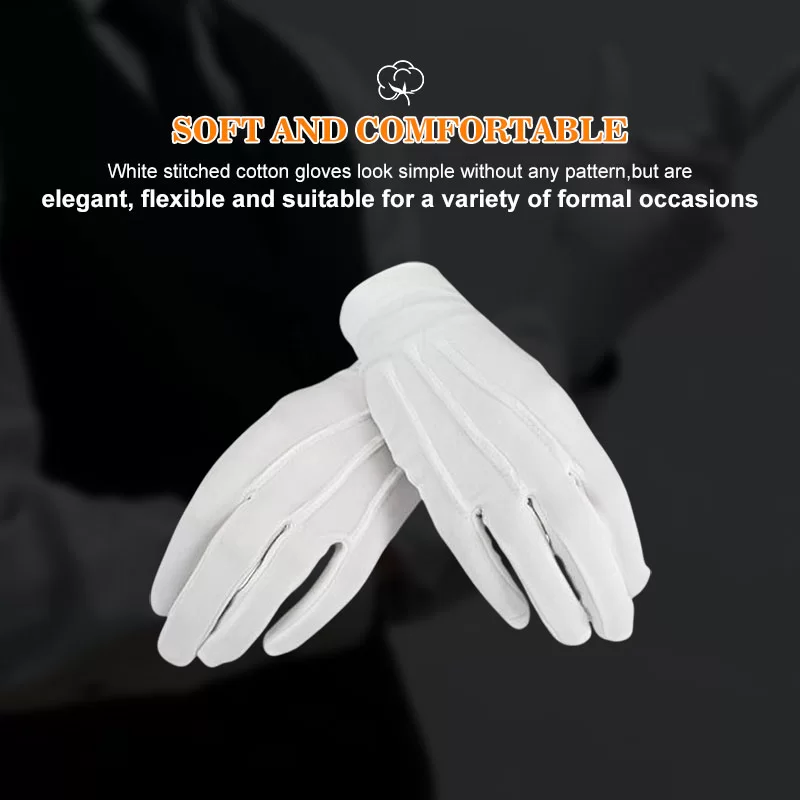
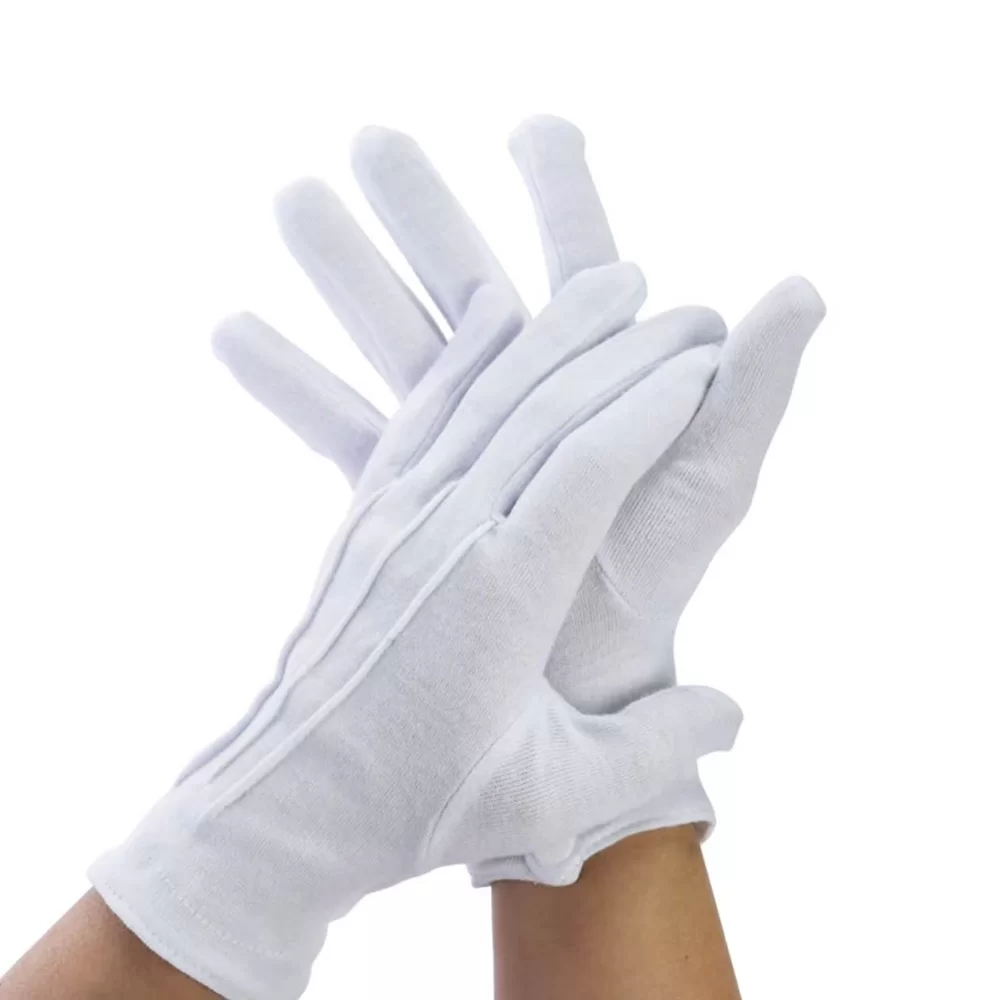
Use of short formal gloves in traditional tea ceremonies or modern art galleries to protect delicate artifacts from skin oils.

Brand Story

Global Development Journey of Shijiazhuang Hongmeida Trading Co., Ltd.

Foundational Excellence

Started with a mission to bridge the gap between raw textile production and precision industrial needs, focusing on quality control at every stitch.

Technological Breakthrough

Invested in advanced microfiber weaving technology, allowing us to produce gloves with unprecedented density and durability for the global market.

Market Expansion

Successfully entered the competitive Japanese market by aligning our production standards with the strict "Zero Defect" philosophy of Japanese industry.

Diversification Strategy

Expanded our product line from purely industrial gear to formal and specialized riding apparel, merging safety with high-fashion aesthetics.

Sustainable Future

Now leading the transition toward eco-friendly textiles, ensuring that our global growth contributes positively to the planet's health.

Comprehensive Textile Portfolio for the Japan Market

A curated selection of professional hand-protection solutions designed for precision, warmth, and elegance.

Frequently Asked Questions for Japan Clients

Expert answers to common technical and logistical queries.

How do your microfiber gloves handle high-precision tasks in electronics?

Our microfiber gloves are engineered with high-density synthetic fibers that minimize lint shedding and provide a seamless fit, ensuring zero interference with delicate components.

Are riding gloves black available in custom sizes for Asian hand measurements?

Yes, we utilize specific anthropometric data from the Japanese market to ensure our riding gloves provide an ergonomic fit that reduces hand fatigue during long commutes.

What makes your warm riding gloves suitable for Hokkaido winters?

They feature a triple-layer system: a windproof outer membrane, a high-loft thermal inner lining, and a moisture-wicking mid-layer to keep hands dry and warm in extreme cold.

Can gloves formal be customized with corporate logos for Japanese hotels?

Absolutely. We offer precision embroidery and subtle branding options that maintain the professional elegance required by the luxury hospitality sector.

What is the durability difference in short formal gloves compared to standard fabrics?

Our short formal gloves use reinforced seams and high-tenacity blends that prevent snagging and wear, significantly extending the product lifecycle compared to traditional nylon.

Do you comply with Japanese industrial textile safety standards?

Yes, all our industrial textiles undergo rigorous testing to meet local safety and quality certifications, ensuring reliability in high-risk manufacturing environments.

Partner with Textile Experts

Ready to elevate your industrial hand protection? Contact our specialists today for customized solutions delivered across Japan.

Contact Us Now

If you are interested in our products, you can choose to leave your information here, and we will be in touch with you shortly.