

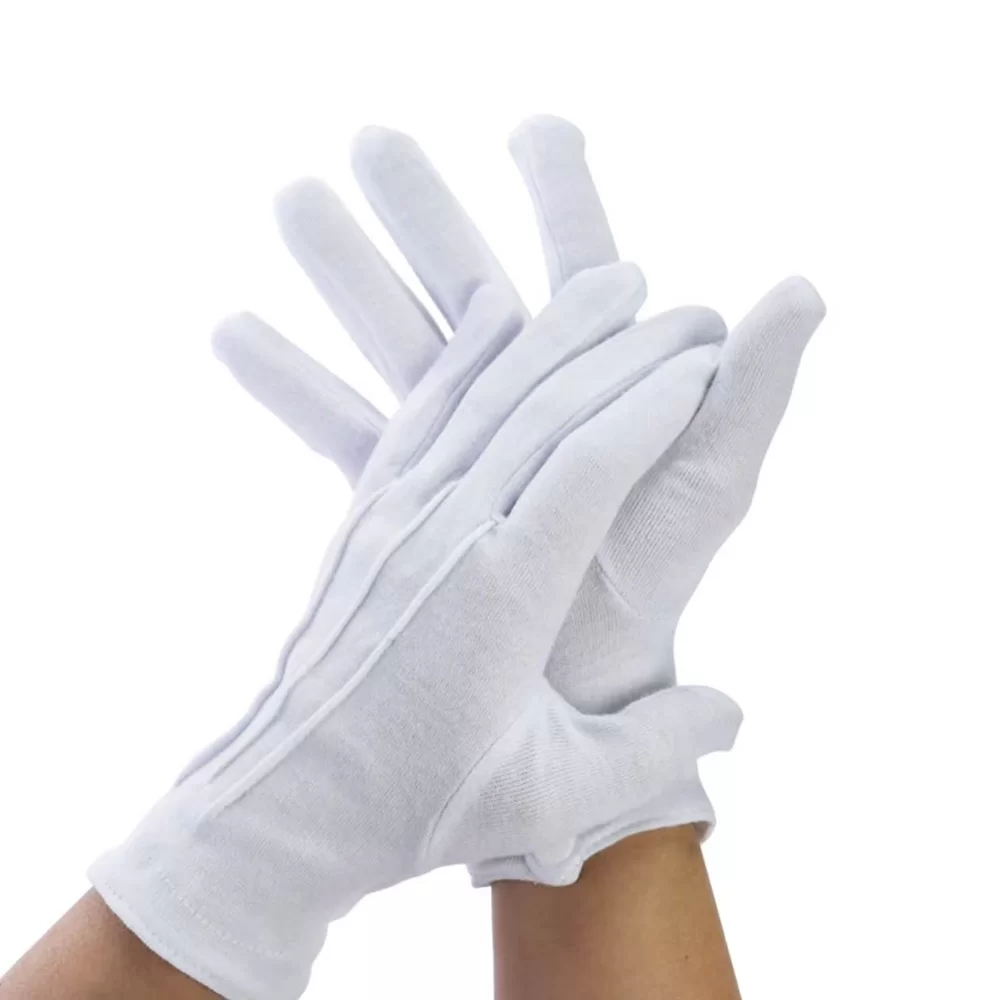


Advanced Textile Solutions for warm riding gloves in Bolivia

Engineered for the Altiplano climate, combining industrial-grade durability with ergonomic comfort for Bolivia's textile industry.

Advanced Textile Solutions for warm riding gloves in Bolivia

Providing high-performance industrial glove solutions tailored to the unique climatic and operational demands of the Bolivian manufacturing sector.

The State of Industrial Textile Wear in Bolivia

Analyzing the intersection of high-altitude geography and protective textile needs.

In Bolivia, particularly in the high-altitude regions of La Paz and Oruro, the textile industry faces the dual challenge of extreme temperature fluctuations and rigorous industrial labor. There is a growing demand for microfiber gloves that can withstand mechanical abrasion while remaining breathable during intensive shifts.

The current market is shifting from basic cotton protection to specialized synthetic blends. Due to the prevalence of equestrian culture and logistical transport in rural areas, riding gloves black have become a staple for both professional riders and industrial operators who require a sleek, non-slip grip for heavy machinery handling.

Economic shifts toward modernized manufacturing in Santa Cruz are driving the need for hybrid textiles. The integration of thermal insulation in protective gear is no longer optional but a necessity to maintain worker productivity during the Andean winter.

Evolution of Protective Textiles in the Andean Region

From traditional wools to high-performance polymers.

Market Development History

Prior to 2010, the Bolivian industrial glove market relied heavily on traditional leather and thick wool. While warm, these materials lacked the precision required for modern machinery, leading to lower efficiency in the "Other Industrial Textile" manufacturing segment.

Between 2010 and 2020, the introduction of synthetic microfibers revolutionized the sector. This period saw a transition toward lightweight, water-resistant materials that provided better dexterity, allowing for the rise of specialized gloves formal used in corporate industrial oversight.

From 2020 to the present, the focus has shifted toward "Smart Textiles." The integration of ergonomic stitching and moisture-wicking technologies has optimized the performance of gloves used in both agricultural and industrial settings across the country.

Future Development Trends

Nanofiber Integration

We anticipate a surge in the adoption of carbon-nanotube reinforced fabrics to increase tear resistance without adding bulk.

Climate-Adaptive Thermoregulation

Future iterations will likely feature phase-change materials (PCM) that automatically adjust warmth based on the wearer's body temperature.

Sustainable Bio-Polymers

A move toward biodegradable synthetic fibers to align with global ESG standards and Bolivia's environmental protection laws.

Future Outlook for Industrial Glove Manufacturing

Projecting the trajectory of textile innovation for the South American market.

High-Precision Dexterity
Implementing seamless weaving to ensure maximum tactile sensitivity for complex assembly.
Enhanced Thermal barriers
Developing multi-layer insulation systems tailored for the Andean winter extremes.
Anti-Static Coatings
Integrating conductive fibers to prevent electrostatic discharge in electronic textile plants.
Ergonomic Customization
Utilizing 3D scanning to create gloves that fit the specific hand morphology of local workers.

Industry Outlook

Based on Google search trends for "protective industrial wear" in South America, there is a significant upward curve toward specialized synthetic materials. The Bolivian market is expected to move away from generic imports toward customized, high-spec textile products.

Over the next 3-5 years, we predict that the fusion of aesthetics and utility—seen in the demand for short formal gloves—will bleed into industrial design, creating professional-grade gear that is suitable for both the factory floor and the executive office.

Localized Application Scenarios in Bolivia

Real-world deployment of industrial textiles across various Bolivian sectors.

01. High-Altitude Logistics in La Paz

Operators managing logistics in the freezing temperatures of the Altiplano utilize warm riding gloves to maintain grip and warmth while operating transport vehicles.

02. Industrial Textile Mills in Santa Cruz

Workers in modern textile manufacturing plants employ microfiber gloves to handle delicate synthetic fabrics without leaving lint or causing snags.

03. Professional Equestrian Events in Tarija

For high-profile equestrian competitions, the use of riding gloves black ensures a professional appearance combined with the necessary friction for control.

04. Corporate Facility Inspections

Site managers during formal facility tours use gloves formal to maintain a professional image while protecting hands from industrial dust.

05. Precision Assembly in Urban Centers

Technical artisans in the electronics assembly sector use short formal gloves for a balance of agility and protection during intricate component placement.

Brand Story

Global Development Journey of Shijiazhuang Hongmeida Trade Co., Ltd.

Foundation of Excellence

Started with a mission to bridge the gap between raw industrial textile capacity and the precise needs of global end-users.

Technical Breakthroughs

Developed proprietary blending techniques for microfiber fabrics, significantly increasing durability for industrial applications.

South American Expansion

Recognized the unique challenges of the Andean climate, tailoring product lines specifically for markets like Bolivia.

Quality Standardization

Achieved international certifications ensuring that every pair of gloves meets rigorous safety and ergonomic standards.

Future-Proofing Textiles

Currently investing in sustainable materials to lead the transition toward eco-friendly industrial wear globally.

Comprehensive Product Portfolio for Bolivia

A curated selection of high-performance gloves for every industrial and professional need.

Frequently Asked Questions - Bolivia Market

Expert answers to common queries regarding industrial textile selection.

Which microfiber gloves are best for the high-altitude humidity of Bolivia?

We recommend our moisture-wicking synthetic blends that prevent sweat accumulation while providing a barrier against the damp Andean air.

Are riding gloves black suitable for industrial machinery operation?

Yes, our black riding series is designed with reinforced palms that provide the necessary grip and abrasion resistance for industrial environments.

How do warm riding gloves perform in sub-zero Altiplano temperatures?

Our thermal line uses multi-layer insulation specifically tested for extreme cold, ensuring hand flexibility and warmth in freezing conditions.

Can gloves formal be used for site inspections in textile factories?

Absolutely. Our formal range offers a professional aesthetic without sacrificing the basic protective properties needed for facility walkthroughs.

What is the durability of short formal gloves in a professional setting?

These are engineered with high-density weaves that resist pilling and wear, making them ideal for long-term professional use.

Do you provide bulk customization for the Bolivian manufacturing sector?

Yes, we offer full OEM/ODM services to customize materials, sizing, and branding to meet specific local industrial standards.

Partner with Textile Experts

Ready to elevate your industrial safety standards? We provide tailored textile solutions across Bolivia.

Contact Us Now

If you are interested in our products, you can choose to leave your information here, and we will be in touch with you shortly.