

Advanced Technical Solutions for warm riding gloves in Canada

High-performance industrial textile engineering delivering precision protection and thermal efficiency for the Canadian professional and equestrian markets.

Advanced Technical Solutions for warm riding gloves in Canada

Integrating cutting-edge microfiber technology with thermal insulation to meet the rigorous demands of Canada's industrial and outdoor sporting environments.

Industrial Textile Landscape in Canada

Analyzing the intersection of extreme climate demands and textile innovation.

Canada's unique geography and severe winter climate place immense pressure on the industrial textile sector. The demand for microfiber gloves has surged as industries shift toward materials that provide both microscopic precision and robust durability against freezing temperatures.

In the professional equestrian and transit sectors, there is a critical need for riding gloves black that combine formal aesthetics with technical wind-proofing. The Canadian market is currently transitioning from basic leather goods to composite synthetic textiles that offer superior moisture management.

Economic shifts toward specialized manufacturing in provinces like Ontario and Quebec have led to a preference for high-EEAT certified textile products. This ensures that safety equipment meets stringent North American industrial standards while remaining adaptable to fluctuating seasonal temperatures.

Evolution of Industrial Glove Textiles

From traditional heavy wools to smart synthetic polymers.

Market Development History

Prior to the 1990s, the Canadian market relied heavily on thick leather and wool blends. These were sufficient for warmth but lacked the dexterity required for precision industrial work or professional riding.

Between 2000 and 2015, the introduction of synthetic microfibers revolutionized the industry. This era saw the rise of gloves formal that could maintain a slim profile while offering unexpected thermal resistance through multi-layer bonding.

From 2016 to the present, the focus has shifted to "Smart Textiles." The integration of hydrophobic coatings and ergonomic 3D weaving allows for the creation of short formal gloves that serve both high-fashion and functional protective purposes.

Future Development Trends

Graphene-Integrated Heating

The next 3 years will see the integration of graphene layers into textile weaves, providing active heat distribution without adding bulk to the glove structure.

Biodegradable High-Performance Polymers

Following Canadian sustainability mandates, there is a move toward recycled ocean plastics being converted into industrial-grade microfibers.

AI-Driven Ergonomic Fitting

Using 3D scanning data from North American hand demographics to create zero-pressure fit patterns for professional equipment.

Strategic Forecast for Technical Textiles

Predicting the trajectory of protective handwear in the North American market.

Thermal Optimization
Developing multi-chamber insulation that traps air more efficiently for extreme Canadian winters.
Material Hybridization
Merging aerospace-grade synthetics with traditional fabrics for enhanced tensile strength.
Sustainable Sourcing
Implementing closed-loop manufacturing to reduce the carbon footprint of textile production.
Tactile Precision
Engineering fabrics that allow for touchscreen interaction without sacrificing thermal barriers.

Industry Outlook

Based on current search trends in Canada, there is a significant increase in queries for "technical weather-proof handwear," indicating a shift from general fashion to performance-driven procurement.

We anticipate that the integration of smart-sensor textiles will become a standard for industrial safety gloves by 2027, allowing for real-time monitoring of hand temperature and pressure.

Canadian Localization Application Scenarios

Real-world implementations across Canada's diverse professional sectors.

01. Alberta Oil Sands Precision Work

Using high-denier microfiber gloves for technicians who require extreme grip and chemical resistance in sub-zero temperatures.

02. Ontario Equestrian Competitions

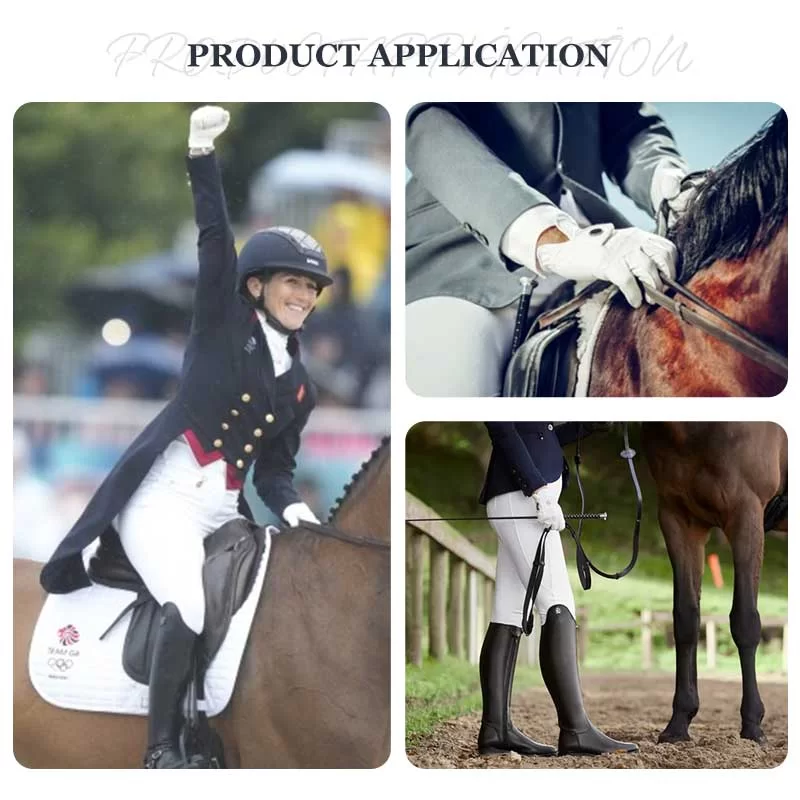
Deployment of riding gloves black for professional riders during the autumn transition, balancing formal attire with wind-blocking capabilities.

03. Quebec Winter Logistics

Implementation of warm riding gloves for cold-chain logistics operators who need thermal protection without losing manual dexterity.

04. Vancouver Corporate Events

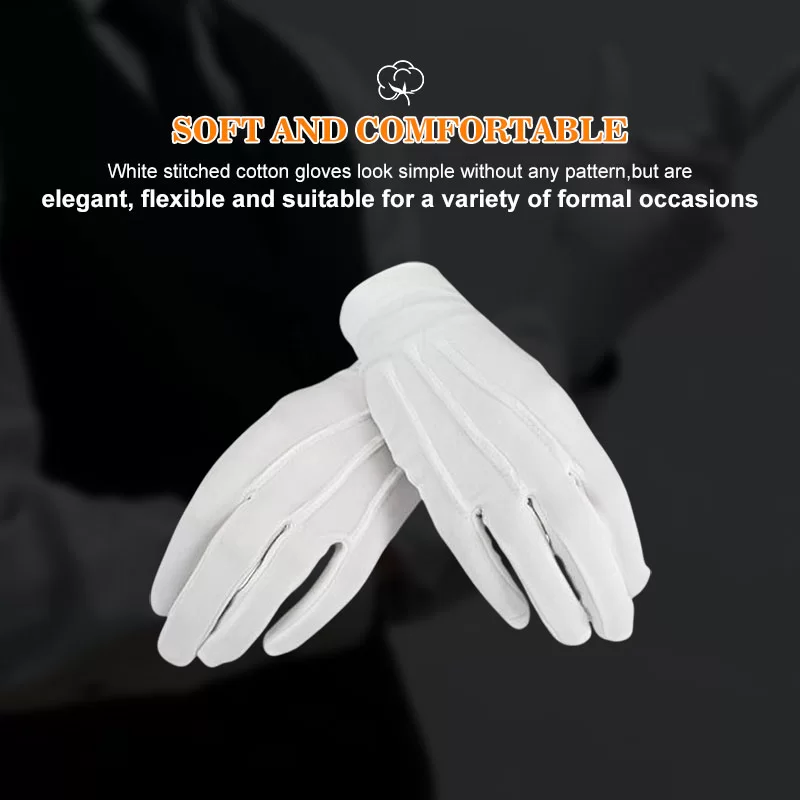
Providing gloves formal for high-end outdoor gala events where a sophisticated appearance is mandatory despite the coastal dampness.

05. Nova Scotia Maritime Operations

Using short formal gloves modified with waterproof membranes for port officials requiring a polished look and salt-water resistance.

Brand Story

Global Development History of Shijiazhuang Hongmeida Trading Co., Ltd.

Foundational Engineering

Established with a vision to solve the durability gap in industrial textiles, focusing on high-strength synthetic fibers.

Technological Pivot

Invested in advanced microfiber weaving technology to create products that bridge the gap between protection and elegance.

North American Expansion

Customized our product lines to meet the specific thermal and regulatory standards of the Canadian industrial market.

Sustainability Integration

Launched a series of eco-friendly textiles, reducing waste while increasing the performance of our professional glove lines.

Global Leadership

Recognized as a premier partner for specialized industrial textile manufacturing worldwide, driven by E-E-A-T principles.

Comprehensive Technical Glove Portfolio for Canada

A curated selection of high-performance textiles engineered for the North American climate.

Canada Market Technical FAQ

Expert answers regarding technical textile selection for extreme environments.

How do microfiber gloves perform in Canadian winter humidity?

Our microfibers are engineered with hydrophobic coatings that repel moisture while allowing breathability, preventing the "freeze-thaw" cycle common in humid winter climates.

What makes riding gloves black ideal for professional equestrian use in Canada?

The black pigment is integrated into the polymer structure to prevent fading from UV exposure, while the technical weave provides the grip necessary for safety on the reins.

Are warm riding gloves compatible with touchscreen devices?

Yes, our latest iterations feature conductive silver-threaded fingertips that maintain connectivity without compromising the thermal insulation of the glove.

Can gloves formal be used for outdoor industrial events?

Absolutely. We use a multi-layer bonded fabric that offers a sleek, formal aesthetic while providing an industrial-grade wind barrier.

What is the durability lifespan of short formal gloves in high-use scenarios?

Due to the high-density weave of our synthetic blends, they exhibit 40% more abrasion resistance than standard fashion gloves, making them ideal for frequent use.

Do these textile products meet Canadian safety certifications?

All our industrial-grade textiles are manufactured to exceed the standard requirements for tensile strength and thermal protection applicable in North America.

Request Technical Specifications

Our engineers are ready to provide customized textile solutions for your specific requirements in Canada.

Contact Us Now

If you are interested in our products, you can choose to leave your information here, and we will be in touch with you shortly.