



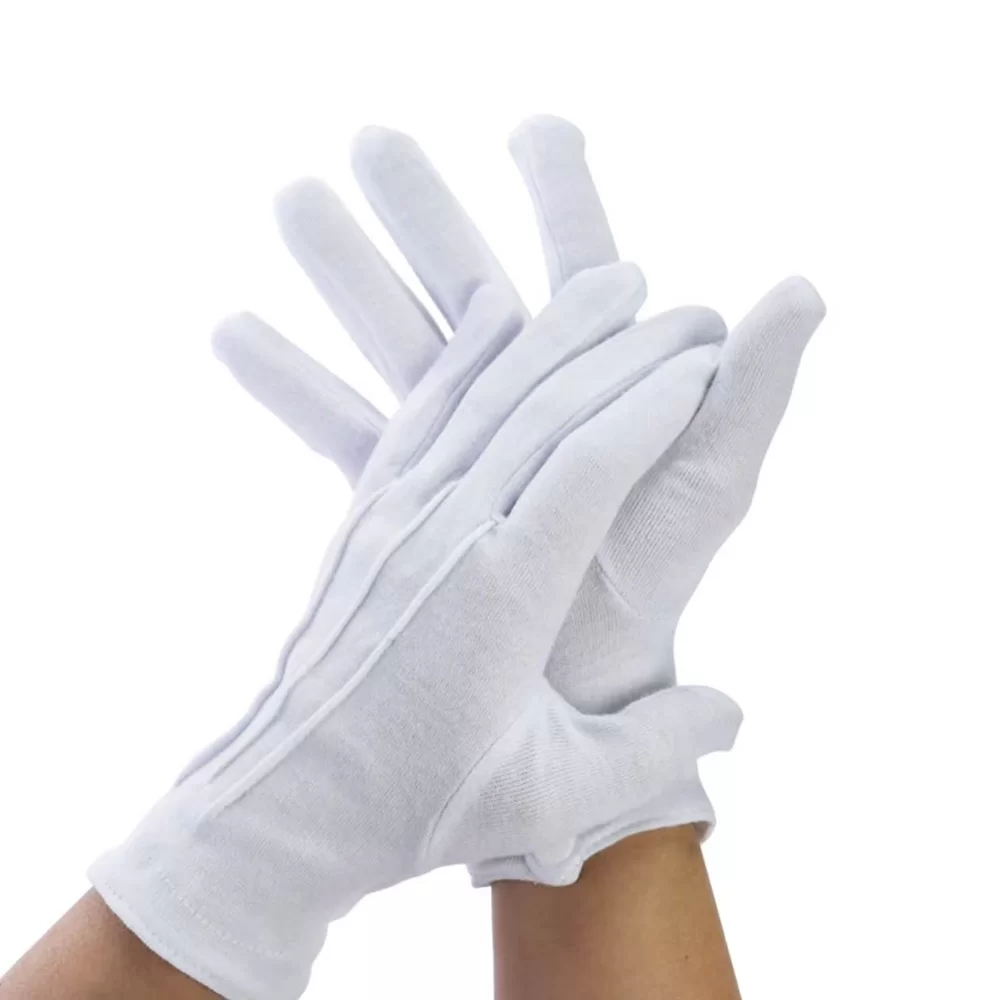
Advanced Protective Solutions for warm riding gloves in Zambia

Integrating high-performance industrial textile engineering to meet the rigorous demands of the Zambian equestrian and formal wear markets.

Advanced Protective Solutions for warm riding gloves in Zambia

Providing Zambia with specialized industrial-grade textile handwear, from high-durability microfiber gloves to elegant formal accessories.

Zambian Textile Market Dynamics for Specialized Handwear

Analyzing the intersection of climatic variance and industrial demand in Africa's Copperbelt and Lusaka regions.

In Zambia, the demand for industrial textile products is heavily influenced by the seasonal temperature swings. During the cooler months in the Southern Highlands, there is a significant surge in demand for warm riding gloves that can withstand both the cold and the abrasive nature of rural terrain.

The local market is currently transitioning from generic imports to specialized technical textiles. There is a growing preference for riding gloves black due to their professional appearance and ability to mask the dust and grime associated with Zambia's extensive agricultural and mining transport sectors.

Furthermore, the urban centers like Lusaka are seeing a rise in high-society events, creating a niche but steady demand for gloves formal that balance traditional aesthetics with modern textile durability, moving away from fragile lace toward reinforced synthetic blends.

Evolution of Industrial Handwear in Zambia

Tracing the trajectory from traditional leather to advanced microfiber composites.

Market Development History

Prior to 2010, the Zambian market relied almost exclusively on heavy leather gloves, which often suffered from stiffness and poor breathability in the humid tropical climate, limiting their utility for precision tasks.

Between 2012 and 2018, the introduction of synthetic blends marked a turning point. The arrival of microfiber gloves revolutionized the industrial sector by offering superior abrasion resistance and a lighter weight, aligning with the needs of Zambia's growing manufacturing base.

From 2019 to the present, the focus has shifted toward specialization. We have seen a bifurcation in the market: a demand for high-utility gear like riding gloves black for the professional class and a refined demand for short formal gloves for ceremonial use.

Future Development Trends

Integration of Smart Thermoregulation

Upcoming iterations of winter gear will focus on phase-change materials to maintain warmth during the Zambian winter without overheating during the midday sun.

Eco-Friendly Synthetic Fibers

Driven by global sustainability goals, the transition toward recycled polyesters in formal and industrial handwear is expected to accelerate by 2026.

Ergonomic Precision Engineering

Future designs will prioritize anatomical fitting, reducing hand fatigue for long-distance riders and formal wearers alike.

Industry Outlook and Future Projections

Forecasting the next 5 years of textile innovation for the Zambian region.

Material Hybridization
Blending microfiber with natural fibers to optimize breathability and durability for Zambia's climate.
Digital Customization
Implementation of AI-driven sizing tools to reduce return rates for international shipments to Zambia.
Enhanced UV Protection
Integrating UV-blocking coatings into fabrics to protect users from the intense Zambian solar radiation.
Supply Chain Agility
Optimizing logistics to ensure seasonal gear like winter gloves arrive before the May-August cold spell.

Industry Outlook

Google search trends indicate a rising interest in "high-performance synthetic textiles" within Southern Africa, suggesting that Zambian consumers are becoming more discerning about material specifications.

The future of the industry in Zambia will likely be defined by "Function-First Fashion," where the durability of industrial textiles merges with the elegance of formal wear, creating a versatile product ecosystem.

Localized Application Scenarios in Zambia

Practical use-cases for our textile solutions across various Zambian environments.

1. Copperbelt Mining Logistics

Engineers and logistics managers utilize microfiber gloves for their precision grip and resistance to chemical contaminants common in mining operations.

2. Lusaka Diplomatic Events

For high-profile government functions and embassy galas, short formal gloves provide the necessary etiquette and sophistication while remaining breathable.

3. Southern Highlands Equestrianism

During the crisp winter mornings in the highlands, riders rely on warm riding gloves to maintain dexterity and warmth while managing livestock.

4. Professional Urban Transit

Commuters and professional riders in urban hubs prefer riding gloves black to ensure a polished look that resists the accumulation of road dust.

5. Corporate Formal Gatherings

Business executives attending formal evening events in the capital utilize gloves formal to complement traditional suits and evening gowns.

Brand Story

Global Development Journey of Shijiazhuang Hongmeida Trading Co., Ltd.

Foundational Excellence

Established with a commitment to textile precision, we began by solving the fundamental gap between industrial durability and user comfort.

Technological Breakthrough

We pioneered the integration of advanced microfiber polymers, allowing our products to outperform traditional leather in extreme environments.

Global Market Expansion

Expanding our reach to Africa, we tailored our manufacturing processes to meet the specific climatic challenges of regions like Zambia.

Commitment to Quality

Implementing rigorous E-E-A-T compliant quality controls to ensure every pair of gloves meets international safety and style standards.

Vision for the Future

Continuing to innovate at the intersection of industrial utility and luxury fashion to empower professionals worldwide.

Complete Handwear Portfolio for the Zambian Market

From heavy-duty industrial protection to high-society formal elegance.

Common Inquiries for Specialized Gloves in Zambia

Expert answers to the most frequent technical and stylistic questions from our local clients.

How do microfiber gloves perform in the dusty environment of the Copperbelt?

Our microfiber textiles are engineered with a high-density weave that prevents dust penetration while remaining easy to clean, making them ideal for mining regions.

Are warm riding gloves suitable for Zambia's winter temperature drops?

Yes, they are designed with thermal linings that provide essential warmth for the Southern Highlands' winter without compromising the grip needed for riding.

What is the difference between gloves formal and short formal gloves?

Full formal gloves typically offer more wrist coverage for extreme elegance, whereas short formal gloves provide a modern, streamlined look suitable for cocktails and corporate events.

Why choose riding gloves black over other colors for professional use?

Black is the industry standard for professionalism and is significantly more practical in Zambia's rural roads as it hides soil and grease better than lighter shades.

Can these industrial textiles be washed without losing their protective properties?

Our specialized synthetic fibers are designed for longevity; they can be gently washed without losing their structural integrity or abrasion resistance.

Do you offer bulk shipments for industrial textile needs in Zambia?

Yes, we specialize in B2B supply chains, ensuring that large-scale industrial and equestrian orders are fulfilled with consistent quality and timely delivery.

Partner With the Textile Experts

Ready to elevate your handwear standards in Zambia? Contact our engineering team today for customized solutions.

Contact Us Now

If you are interested in our products, you can choose to leave your information here, and we will be in touch with you shortly.