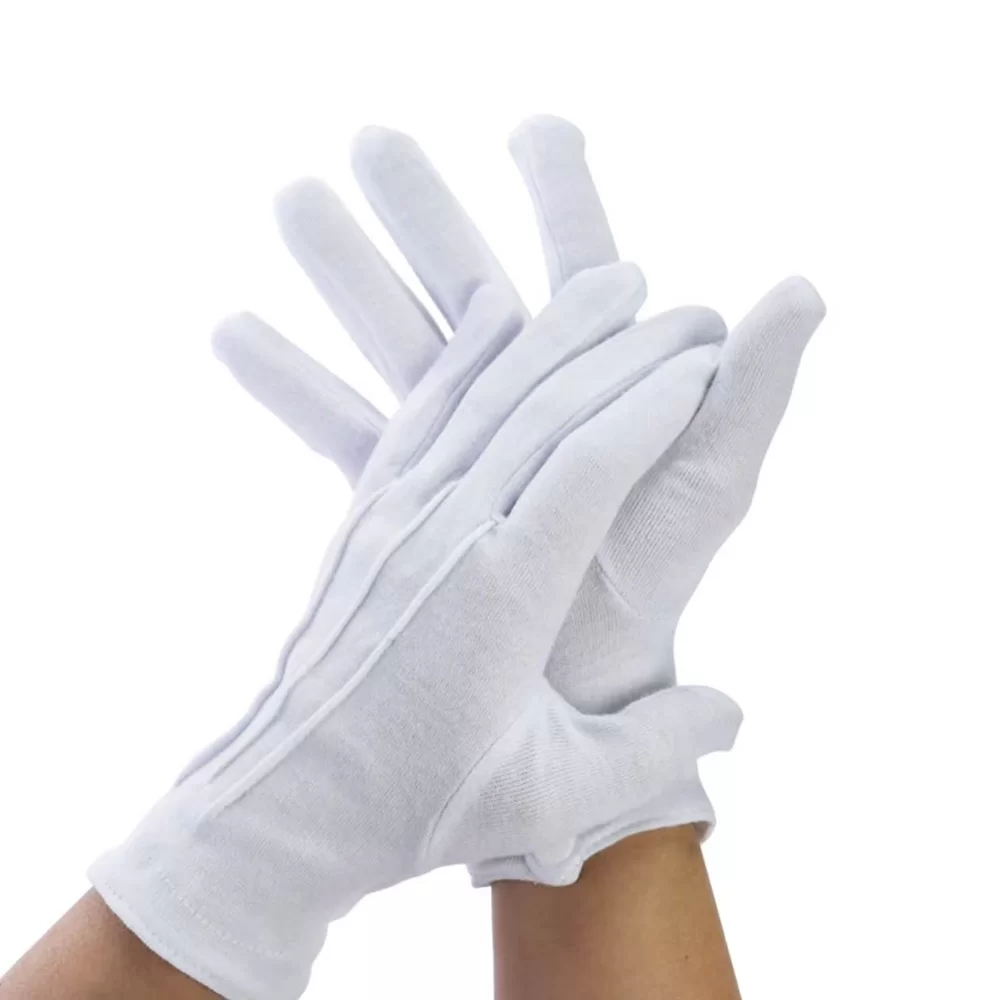
Why Extra Small Cleaning Gloves Are Essential for Safety and Comfort | HMD Glove
Extra Small Cleaning Gloves: The Little Heroes of Hygiene and Safety
When was the last time you paused to think about the gloves cleaning crews slip on so effortlessly? Especially those tiny ones that fit people with smaller hands perfectly – yes, the extra small cleaning gloves. They might not be the headline act in the industrial PPE world, but they quietly tackle a global challenge: ensuring adequate protection and hygiene for every hand size, across industries and borders.
Why does this matter? Well, with more than 1.3 billion people worldwide having smaller than average hands — especially women and young workers in cleaning and healthcare sectors — ill-fitting gloves become barriers to both safety and efficacy. Ill-sized gloves can cause tear-and-wear, reduce tactile sensitivity, or simply discourage wearing them fully. That’s a recipe for accidents, contamination, or discomfort.
Understanding and embracing the nuance of extra small cleaning gloves today means better health outcomes, improved productivity, and a step toward inclusivity in workplace safety worldwide.
Why Size Really Matters: The Global Context of Extra Small Cleaning Gloves
Let’s zoom out for a second. The World Health Organization (WHO) underscores that proper personal protective equipment (PPE) reduces workplace illnesses and contamination spread by up to 85%. But here’s a kicker: PPE standards, including gloves, often cater predominantly to “average” or larger hand sizes, leaving out minority groups with smaller hands. The International Organization for Standardization (ISO) does define sizing scales for gloves, yet availability and presence of extra small cleaning gloves lag behind in many markets.
In cleaning industries alone, reports from the International Labour Organization (ILO) estimate over 50 million workers worldwide, many in developing regions where women form the majority. Not having gloves that fit properly boosts risk exposure to hazardous chemicals, biohazards, and sharp objects.
So, the real challenge becomes how manufacturers and suppliers can meet this demand efficiently without compromising cost or quality — especially as hygiene standards increasingly tighten given recent global health events.
Mini takeaway:
Small gloves for small hands aren’t a niche luxury; they’re an essential piece of global health & safety networks.
Defining Extra Small Cleaning Gloves: More Than Just Size
Simply put, extra small cleaning gloves refer to gloves designed to fit hand circumferences roughly 6 to 7 inches around the palm—think petite workers, youth trainees, or anyone needing a snug, dexterous fit. They come in various materials — from latex, nitrile, vinyl, to neoprene — each with unique properties suited for cleaning tasks.
But they’re more than mere body-hugging barriers. In modern industry, these gloves enable precision, reduce fatigue, and ensure comprehensive protection — critical when handling everything from delicate electronics wipes to industrial solvents.
Humanitarian organizations also rely on them heavily for paramedics or cleaning crews in tight-contact emergency scenarios where contamination risk is sky-high but bulky mitts simply won’t do.
Mini takeaway:
Extra small gloves balance protection with dexterity — a fine tightrope walked daily in professional cleaning tasks.
Core Factors to Consider for Extra Small Cleaning Gloves
1. Material Composition – From Latex to Nitrile
Material choice dictates everything: elasticity, chemical resistance, allergy potential, and longevity. Latex offers great tactile sensitivity but triggers allergies for some. Nitrile, while a touch less flexible, excels in chemical and puncture resistance — often preferred for tougher cleans.
2. Durability & Thickness
These gloves need to resist tearing without sacrificing fit. Typically, thickness ranges from 3 to 8 mil (thousandths of an inch). Extra small gloves sometimes face an uphill battle as thin layers can tear quickly, frustrating users and creating waste.
3. Powdered vs Powder-Free
While powdered gloves ease donning, powder residues can cause contamination in sensitive tasks or allergic reactions. For cleaning in sterile or food handling environments, powder-free is usually mandated.
4. Tactile Sensitivity and Dexterity
Small hands often demand more precise movements — extra small gloves must maintain a high degree of flexibility and finger sensitivity, facilitating efficient scrubbing or equipment handling.
5. Cost Efficiency
The lower the cost without quality compromise, the easier widespread adoption becomes—especially in institutions operating under tight budgets.
6. Environmental Impact
Recyclability, biodegradability, or use of greener materials are increasingly crucial factors, reflecting global pushes for sustainability.
Mini takeaway:
When selecting extra small cleaning gloves, it’s not just size — it’s the perfect dance of material, comfort, durability, and ethics.
Extra Small Cleaning Gloves in Action: Real-World Uses
You might wonder — who exactly benefits most from these petite gloves?
- Healthcare workers in clinics and hospitals need gloves that fit smaller hands to perform intricate patient care safely.
- Cleaning crews in offices, hotels, and industrial plants use them daily to handle chemicals and germs without sacrificing comfort.
- Disaster relief operations rely on small, flexible gloves for volunteer teams working in tight, unpredictable environments like shelter cleanups or medical tents.
- Electronics and manufacturing industries employ these gloves for assembly tasks where accuracy and avoiding fingerprints are key.
Across regions—from North America to Southeast Asia—there’s growing demand for gloves that fit the global workforce’s diverse hand sizes. Oddly enough, some developing countries report scarcity of well-fitting gloves despite high demand — a gap NGOs and suppliers are rushing to close.
Mini takeaway:
Extra small cleaning gloves serve a global cast — from industrial floors to emergency tents — and their right fit equals better protection and efficiency.
Why Invest in Extra Small Cleaning Gloves? Advantages and Long-Term Value
Let’s talk benefits — beyond just “they fit.”
- Enhanced safety: Proper fit minimizes glove failure, making sparks fly less often in hazardous cleaning jobs.
- Improved compliance: Comfortable gloves encourage consistent use, reducing exposure risks.
- Cost savings: Durable gloves cut down replacement frequency — a business win.
- Dignity and inclusivity: Catering to smaller hand sizes sends a powerful message that all workers matter.
- Sustainability: Choosing gloves with eco-conscious materials aligns operations with green goals.
For example, a small cleaning startup in Singapore switched exclusively to high-quality extra small nitrile gloves and reported a 30% drop in worker complaints about skin irritation and improved productivity—proof that small changes pack big punches.
Mini takeaway:
These gloves deliver a triple win: safety, satisfaction, and sustainability.
Looking Ahead: Trends Shaping the Future of Extra Small Cleaning Gloves
Gloves are evolving. The days of one-size-fits-most are fading in favor of tailored solutions.
- Smart materials: Expect gloves embedded with sensors that detect chemical exposure or fatigue.
- Eco-innovations: Bio-based polymers and biodegradable options are becoming mainstream.
- 3D printing: Custom-fit gloves could hit the market, offering perfect sizing every time.
- Supply chain digitization: More accurate forecasting means fewer shortages for extra small sizes worldwide.
Mini takeaway:
The future is personal, smart, and green.
Challenges and Practical Solutions in Sourcing Extra Small Cleaning Gloves
Not everything is smooth sailing. Here’s the reality:
- Limited inventory: Small sizes are often in shortest supply, especially during peak demands.
- Cost disparities: Smaller gloves sometimes cost more per unit because of manufacturing complexities.
- Fit inconsistencies: Varying sizing standards across brands can confuse buyers.
Solutions? Partnerships with manufacturers to produce batch runs focusing on extra small gloves, better sizing transparency, and adoption of industry benchmarks help. Also, organizations can maintain small-size stockpiles to avoid last-minute shortages.
Mini takeaway:
Challenges exist but smart sourcing and planning keep workers protected.
Extra Small Cleaning Gloves: Product Specifications at a Glance
| Specification | Details |
|---|---|
| Size | Extra Small (6 - 7 inch palm circumference) |
| Material | Nitrile / Latex / Vinyl / Neoprene |
| Thickness | 3 - 6 mil (varies by material) |
| Powder | Available powder-free or powdered |
| Chemical Resistance | Resistant to detergents, alcohols, and many solvents (more in nitrile) |
| Intended Use | Cleaning, Healthcare, Food Handling, Industrial applications |
Vendor Comparison: Leading Brands for Extra Small Cleaning Gloves
| Brand | Material | Price Range (per 100) | Key Feature | Availability |
|---|---|---|---|---|
| SafeHands Pro | Nitrile | $25-$30 | High chemical resistance | Global |
| GloveFit XS | Latex | $22-$27 | Superior tactile sensitivity | North America & Europe |
| EcoClean XS | Vinyl (biodegradable) | $20-$25 | Eco-friendly, powder-free | Online only |
| MedGuard XS | Neoprene | $28-$33 | Enhanced durability & stretch | Hospitals & clinics |
Frequently Asked Questions About Extra Small Cleaning Gloves
Q1: How do I know if I really need extra small gloves or regular small size?
If the smallest gloves you’ve tried feel loose, bunch up, or impair your grip, you’re likely a candidate for extra small sizes. Measuring your hand circumference (around the palm) is the best way — 6 to 7 inches usually means extra small. Wearing gloves that fit well improves both comfort and protection.
Q2: Are extra small cleaning gloves as durable as larger sizes?
Generally yes, but it depends on material and thickness. Some manufacturers tailor thickness specifically to maintain durability even at smaller sizing. Always check specs and reviews to ensure your chosen gloves meet the wear-and-tear requirements of your tasks.
Q3: Can I use extra small gloves for chemical cleaning?
Yes, provided you choose a chemically resistant material like nitrile or neoprene. Latex and vinyl have limitations against certain solvents. It’s crucial to verify chemical compatibility based on what you’re cleaning.
Q4: Are powder-free extra small gloves better for sensitive skin?
Powder-free gloves generally reduce irritation risks and contamination, making them better for sensitive skin or allergy-prone users. However, personal skin sensitivity varies, so trying different products might be necessary.
Q5: Where can I source reliable extra small cleaning gloves?
Reputable medical and industrial suppliers are best. Check specialty sites like extra small cleaning gloves distributors who focus on size inclusivity and quality certification.
In Conclusion: Why Small Gloves Make a Big Difference
So here’s the bottom line — extra small cleaning gloves might seem like a tiny detail, but they are critical for global workplace safety, inclusiveness, and efficiency. As industries become more aware of diverse user needs, these gloves promote dignity, reduce risks, and uphold hygiene standards universally.
If you’re curious about getting your hands on the best-fitting protection, visit our website: https://www.hmdglove.com. Because sometimes, size really does matter.
References:
1. WHO on Personal Protective Equipment
2. ISO 21420:2020 Protective gloves
3. International Labour Organization Statistics