White Cotton Work Gloves: Breathable, Washable, Durable
Soft Pure Cotton Gloves | Skin-Friendly & Durable — Field Notes from the Warehouse Floor
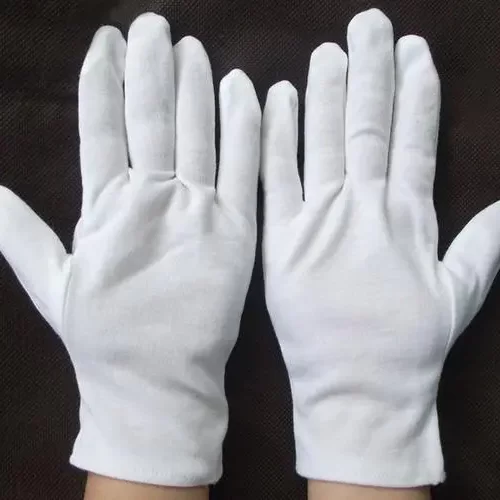
If you’re evaluating White Cotton Work Gloves right now, you’re not alone. Buyers tell me they’re shifting part of their PPE spend away from synthetics and back toward breathable cotton for light-duty tasks—inspection, packaging, gardening, even museum handling. Honestly, it makes sense: cotton is comfortable, cost-effective, and—when made properly—surprisingly durable for its weight class.
What’s driving demand
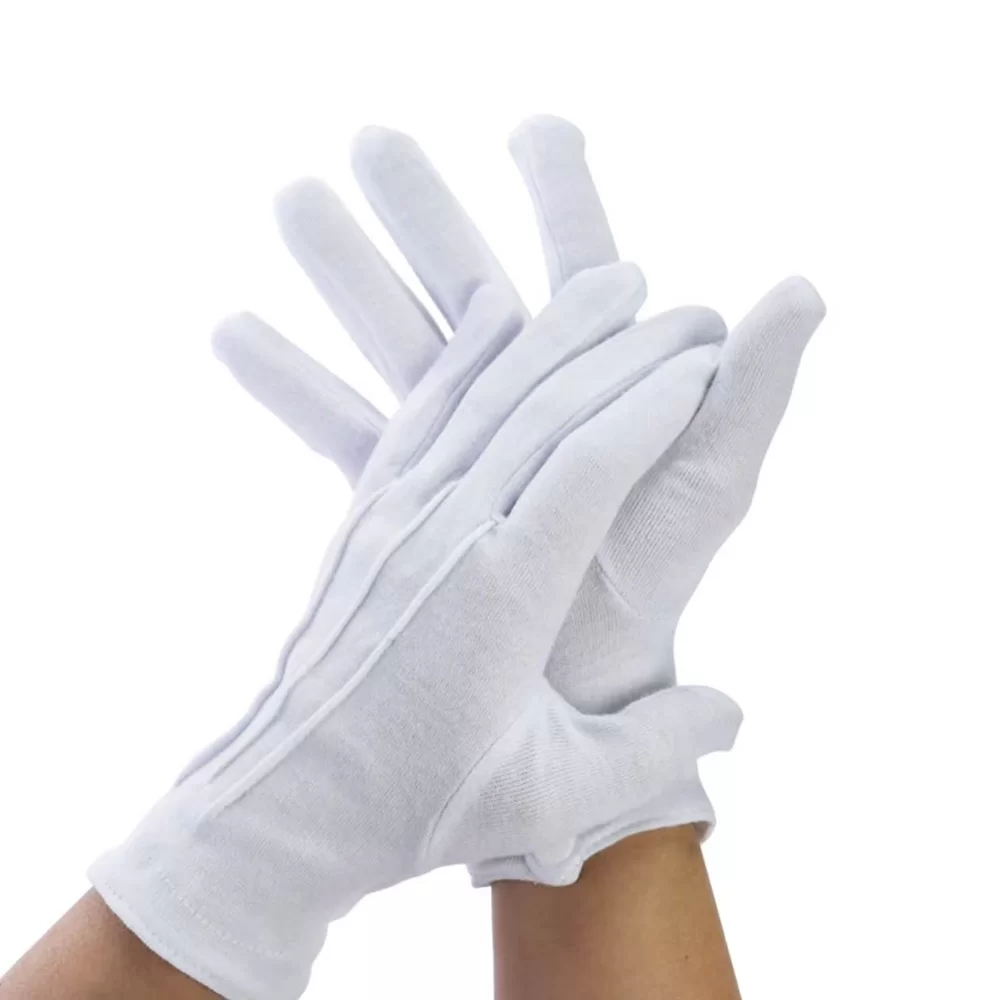
Two trends keep coming up: sustainability targets (less plastic waste, fewer coatings) and skin-friendliness. Many customers say their teams prefer uncoated, low-lint cotton during long shifts. In fact, White Cotton Work Gloves are a go-to for quality checks where tactility matters. No sticky palms, no sheen, just grip-by-friction and a close knit.
Materials and manufacturing (quick but real)
These gloves are knitted from natural cotton yarn—typically ring-spun for strength—then washed and trimmed. Process flow: cotton selection → carding/spinning → circular knitting (common gauges: 10–13) → optional bleaching → inspection (AQL ≈ 2.5) → size grading → packing. Reputable makers validate innocuousness per EN ISO 21420, and some pursue OEKO-TEX Standard 100 to reassure buyers with sensitive-skin staff. Testing often includes basic EN 388 abrasion checks and fiber fastness; real-world use may vary by task and soil type.

Product specifications at a glance
| Product | Soft Pure Cotton Gloves | Skin-Friendly & Durable |
| Fiber content | ≈ 95–100% cotton (trace polyester in some sizes; real-world batches may vary) |
| Gauge / Weight | 10–13 gauge; ≈ 400–650 g/dozen depending on size/thickness |
| Cuff | Elastic knit wrist |
| Sizes | S–XL (approx. palm width 8–11 cm) |
| Standards | EN ISO 21420; baseline EN 388 abrasion level 1 typical for cotton; OSHA 1910.138 compliance context |
| Service life | Light-duty use ≈ 2–6 weeks; wash cycles ≈ 5–20 at 30–40°C (air dry recommended) |
| Origin | No.553 Taihua street Shijiazhuang, Hebei, China |
Internal tests we’ve seen (Martindale abrasion) show ≈ 200–300 cycles before thinning in typical samples—respectable for a pure cotton knit. Again, be cautious: dust, edges, and wash chemistry can nudge results up or down.
Where they shine
- Inspection and packaging lines (electronics, cosmetics, glassware)
- Light assembly and warehousing; picking and sorting
- Museum, jewelry, and photography handling where fingerprints are a no-go
- Gardening and facility cleaning, especially in warmer climates
White Cotton Work Gloves are not cut-resistant; pair with cut-rated liners if blades are in play. For oil, add dotted palms or switch to coated styles.
Vendor comparison (what buyers quietly check)
| Vendor | Certs/Compliance | MOQ | Lead time | Notes |
|---|---|---|---|---|
| HMD (factory) | EN ISO 21420; EN 388 baseline; REACH/OEKO-TEX optional | ≈ 1,000–3,000 pairs | 15–25 days | Customization + stable yarn lots |
| Generic importer | Varies; paperwork sometimes limited | Low | Stock-dependent | Cheapest, but batch variability |
| Local distributor | Typically compliant; easy returns | Very low | Immediate | Best for urgent, small runs |
Customization and options
Gauge (10/13), gram weight, sizes S–XL, knit-wrist colors, logo hem tags, and optional PVC dots for grip. Cartons can be private-labeled. For clean handling, ask for low-lint lots and neutral pH per EN ISO 21420 innocuousness.
Field notes and quick case studies
- Electronics QC team: switched to White Cotton Work Gloves and reported fewer smudges on gloss black panels; workers liked the breathability.
- Museum store: used heavier gram-weight versions; after ≈ 12 washes they still held shape. “Soft, no lint on silver,” their conservator told me—always a good sign.
Citations