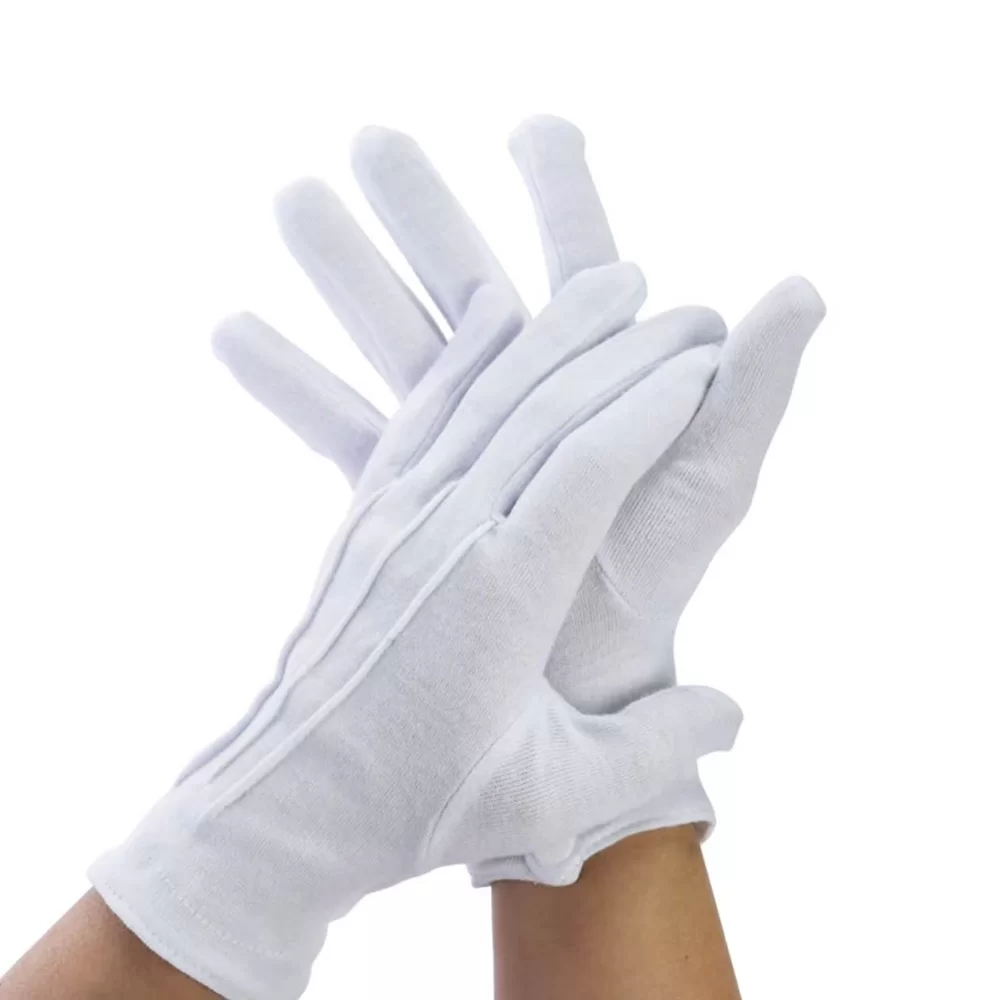
Understanding Clean Gloves and Sterile Gloves: Essential Uses and Innovations
The Importance of Clean Gloves and Sterile Gloves in Today’s World
Understanding the difference and significance of clean gloves and sterile gloves might sound mundane to some, but it's crucial in fields ranging from healthcare to food processing, manufacturing, and global humanitarian aid. These gloves are more than just protective gear; they're often the frontline defense against infections, contamination, and cross-transmission of harmful agents.
Worldwide, the demand for these gloves has surged due to increased health awareness, industrial safety regulations, and pandemic responses. Learning about their roles, benefits, and applications has become essential for industries and individuals alike.
Global Context: Why Clean Gloves and Sterile Gloves Matter More Than Ever
Globally, the World Health Organization estimates millions of healthcare-associated infections could be prevented by proper use of gloves during medical procedures. According to ISO standards, clean and sterile gloves have clear distinctions, vital to controlling contamination risks.
Particularly in the wake of the COVID-19 pandemic, glove usage skyrocketed, spotlighting problems like supply chain disruptions and improper disposal. In many developing countries, which the UN highlights face challenges with healthcare infrastructure, access to proper gloves is a very real bottleneck in ensuring patient and worker safety.
Mini takeaway: Gloves are simple yet transformative tools in global health and industry safety – and they’re only growing more relevant.
Defining Clean Gloves and Sterile Gloves
Simply put, clean gloves are manufactured to be free from visible dirt, oils, or contaminants but do not undergo a sterilization process. They are commonly used in food handling, laboratory work, and light medical examinations.
On the other hand, sterile gloves have been treated to eliminate all microbial life, including spores. These gloves are essential in surgeries, invasive procedures, and situations demanding a sterile field.
Both types play pivotal roles in modern industry as well as humanitarian and healthcare settings, where preventing contamination is the difference between life and death.
Core Factors That Define Their Usefulness
Durability & Material Composition
Clean gloves are typically made from nitrile, latex, vinyl, or polyethylene, with varying resistance to punctures and chemicals. Sterile gloves often undergo stricter material testing to ensure they hold sterile barriers even under stress.
Comfort and Fit
For long shifts or sensitive procedures, glove comfort is key. Manufacturers balance elasticity, thickness, and texture to optimize tactile performance without fatigue.
Sterilization and Quality Assurance
Sterile gloves must pass stringent sterilization cycles (gamma irradiation, ethylene oxide) plus packaging integrity tests to meet standards like ISO 11193.
Traceability & Compliance
Especially for sterile gloves, traceability from production to end use is vital. This ensures any batch with defects can be recalled, and regulatory compliance is maintained.
Cost-effectiveness and Scalability
Industries require gloves in huge volumes; striking a balance between affordability and quality is a perennial challenge.
Product Specification Table
| Feature | Clean Gloves | Sterile Gloves |
|---|---|---|
| Material | Nitrile / Latex / Vinyl | Nitrile / Latex (Sterilized) |
| Sterilization Process | None | Gamma / EO Sterilization |
| Intended Use | Food, labs, general handling | Surgery, invasive medical procedures |
| Testing Standards | ISO 9001 | ISO 11193, ASTM D3578 |
| Packaging | Boxes or bulk | Sealed sterile pouches |
| Shelf Life | 1-2 years | 3-5 years (if stored properly) |
How Clean & Sterile Gloves Are Used Globally
From bustling hospitals in Europe and North America to emergency relief camps in southeast Asia and Africa, gloves are ubiquitous—and for good reason. Sterile gloves remain the gold standard in surgical wards and medical intensive care, protecting both patient and practitioner.
Meanwhile, clean gloves find utility in food industry operations in Latin America, cleanroom manufacturing plants in Japan, and disaster relief missions coordinating safe care under tough conditions. For example, during the recent typhoon relief operations in the Philippines, aid workers relied on clean gloves for food distribution and wound dressing support. Oddly enough, these gloves, often overlooked, make the entire operation safer and more trustworthy.
See also some detailed supply options at clean gloves and sterile gloves.
Mini takeaway: Their uses span hugely diverse environments—from cleanroom labs to muddy field hospitals—proof of their indispensable status.
Advantages of Clean Gloves and Sterile Gloves: Beyond the Surface
- Protection & Safety: Absolute primary benefit, reducing the spread of infections or contaminants.
- Cost Savings: Fewer infections mean less treatment expense and downtime.
- Dignity & Trust: Patients, clients, and workers feel respected when proper precautions are taken.
- Sustainability Progress: New biodegradable gloves offer eco-friendly disposal, aligning with social responsibility trends.
- Innovation Catalyst: Advances in materials inform better glove designs—thinner, stronger, and with tactile feedback.
Looking Ahead: Trends and Innovations
Interest is growing not only in glove quality but also in green production practices. Manufacturers invest in biodegradable nitrile blends and recyclable packaging. Digital tracking technologies improve batch traceability, while automation ensures consistent glove inspection.
There’s also talk about smart gloves embedded with sensors — though still niche — capable of detecting breaches or contamination in real time. The future definitely points toward more advanced protection with minimal environmental impact.
Tackling the Challenges in Clean and Sterile Glove Usage
Of course, the gloves aren’t without hurdles. Supply shortages during crises reveal fragility in production scaling. Improper glove disposal contributes to plastic pollution, and allergic reactions to glove materials remain concerns. Experts recommend:
- Investing in local manufacturing to reduce dependence on distant supply chains.
- Educating end-users on correct glove use and disposal.
- Accelerating development of hypoallergenic and eco-friendly glove materials.
Vendor Comparison: A Quick Look at Top Gloves Suppliers
| Vendor | Product Range | Global Reach | Price Range (per 100) | Sustainability Efforts |
|---|---|---|---|---|
| HMD Glove | Clean & sterile nitrile, latex | 100+ countries | $15–$35 | Biodegradable options available |
| MedGlove Inc. | Sterile surgical gloves | 50+ countries | $25–$50 | Limited recyclable packaging |
| EcoShield Gloves | Clean gloves, biodegradable | Primarily Europe & US | $20–$40 | Focus on zero-waste production |
FAQ - Your Questions About Clean Gloves and Sterile Gloves
Q: Can I reuse sterile gloves if I haven't touched anything?
A: Sterile gloves are designed for single-use only. Reuse risks contamination, negating their sterile barrier. For safety, dispose of gloves promptly after use.
Q: What's the difference in cost between clean and sterile gloves?
A: Sterile gloves are generally 2-3 times more expensive due to added sterilization steps and packaging. Clean gloves are affordable for lower-risk tasks.
Q: How do I choose the right glove type for food processing?
A: Generally, clean gloves approved for food contact suffice. They should meet food safety standards and be replaced regularly to reduce cross-contamination.
Q: Are latex gloves better than nitrile gloves?
A: Both have pros—latex offers great elasticity but triggers allergies in some people. Nitrile is more puncture-resistant and hypoallergenic, increasingly preferred.
Q: How should sterile gloves be stored to maintain integrity?
A: Store in cool, dry places away from direct sunlight and strong chemicals. Ensure packages remain unopened until use to maintain sterility.
Conclusion: Staying Safe and Ahead with Proper Glove Use
Clean gloves and sterile gloves are more than just everyday supplies — they’re essential contributors to health, safety, and trust globally. By understanding their roles, materials, and proper applications, organizations and workers can safeguard lives and improve operational outcomes. Plus, innovations in sustainability and quality assurance make this an exciting sector to watch.
To explore top-quality products tailored to your needs, visit https://www.hmdglove.com and see how clean gloves and sterile gloves can support your industry’s growth and safety standards.