The Essential Guide to Cleanroom Sterile Gloves: Applications, Benefits & Innovations
The World of Cleanroom Sterile Gloves: Why It’s More Important Than You Think
When you hear “cleanroom sterile gloves,” you might picture something simple — just gloves, right? But in reality, these gloves play a huge role in a variety of industries worldwide. From high-tech manufacturing plants cranking out semiconductors to healthcare settings preventing infections, their importance can’t be overstated. Globally, sterile gloves ensure contamination-free environments, protect workers, and support innovation.
Understanding cleanroom sterile gloves means diving into a world of stringent quality controls, evolving materials, and attention to detail that few everyday items share. In fact, the global cleanroom gloves market is projected to grow steadily, driven by increasing demand for pharmaceutical manufacturing and electronics assembly.
Cleanroom Sterile Gloves: A Global Perspective
On a global scale, the reliance on contaminant-free environments has grown exponentially. According to ISO standards, cleanrooms are critical spaces where contamination risks must be kept to a minimum. Countries like the United States, China, Germany, and Japan lead in industries — especially biotech, pharmaceuticals, and semiconductors — that demand sterile gloves.
But the challenge is not just in manufacturing. Think about humanitarian crises and medical emergencies, where maintaining sterile conditions is difficult yet absolutely vital. Gloves that meet both cleanliness and sterile requirements help reduce infections and improve safety outcomes. Cleanroom sterile gloves address real-world problems like these, bridging manufacturing needs and medical safety.
What Are Cleanroom Sterile Gloves?
At their core, cleanroom sterile gloves are gloves manufactured and packaged to ensure they are free from contaminants like dust, microbes, and chemicals. They undergo sterilization — often via gamma rays or ethylene oxide — to make sure no living microorganisms survive on them. These gloves are designed specifically for use in environments where even the smallest contamination can ruin products or jeopardize health.
Unlike regular disposable gloves, cleanroom sterile gloves come with certifications and are subject to quality tests such as particle shedding and tensile strength evaluations. They’re not just “gloves” — they’re critical gear for controlling environments at the microscopic scale.
Mini-Takeaway:
Cleanroom sterile gloves aren’t merely protective gear; they’re engineered components of a high-stakes system ensuring safety and product integrity worldwide.
Core Characteristics That Define Quality Cleanroom Sterile Gloves
1. Durability and Elasticity
Imagine wearing gloves that tear the moment you pick up a component or handle delicate equipment — that’s a recipe for disaster. These gloves must be both tough and flexible to withstand rigorous use without compromising comfort or dexterity.
2. Contamination Control
One of the biggest challenges is minimizing particle shedding. The gloves are designed with low-lint materials and special coatings that prevent skin oils or dust from contaminating a sterile environment — crucial in microchip fabrication or pharmaceutical compounding.
3. Sterilization Standards
The gloves are sterilized after packaging using stringent industry methods. Gamma sterilization is common, but sometimes ethylene oxide is used, depending on material compatibility. This process must meet ISO 11137 and ISO 10993 standards to ensure safety.
4. Material Composition
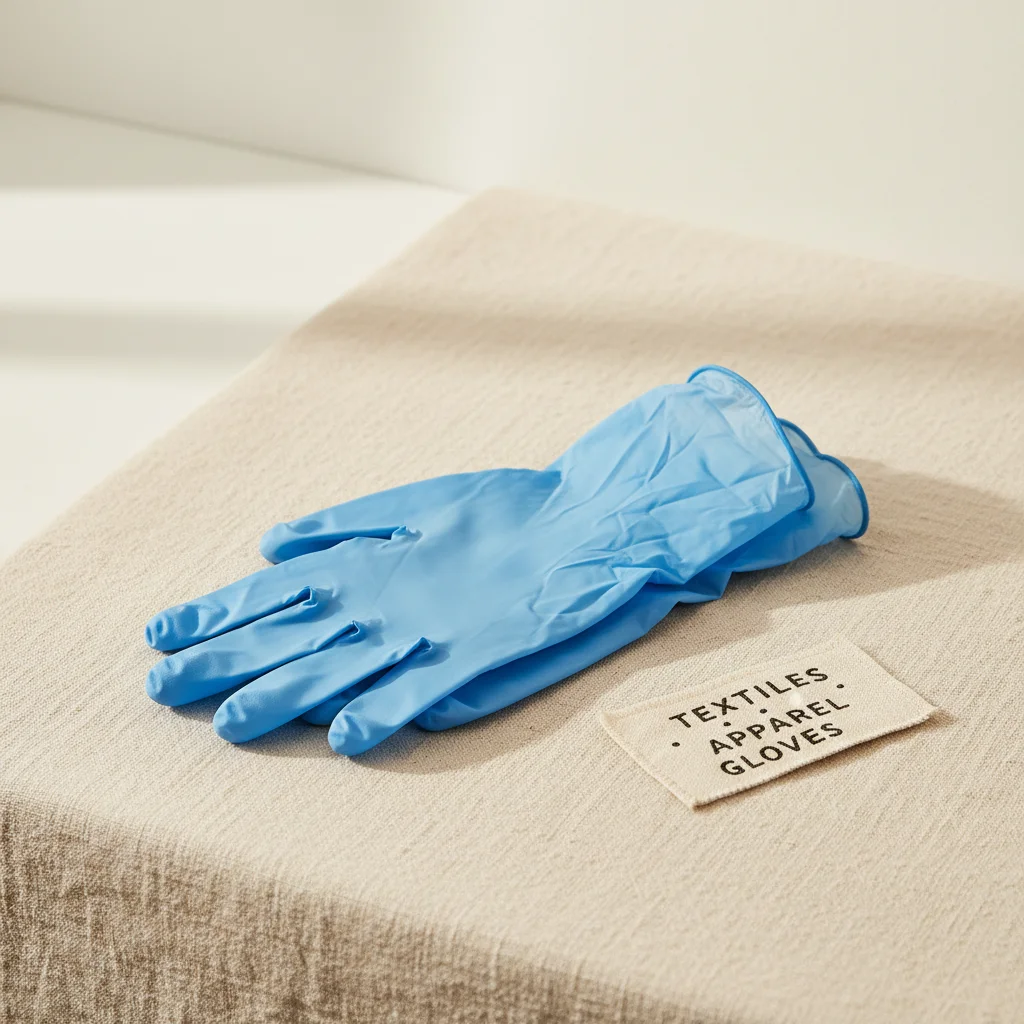
Latex, nitrile, and neoprene are typical materials. For example, nitrile gloves offer excellent chemical resistance and allergy-friendly features, while latex provides unmatched elasticity. Choice of material depends on the application context.
5. Sizing and Fit
Proper sizing ensures workers can handle tools confidently. Oversized gloves reduce sensitivity, while undersized gloves strain the hands. Many suppliers offer a variety of sizes, sometimes with ambidextrous options.
Mini-Takeaway:
- Durability and contamination control aren’t just buzzwords — they’re the hallmarks of gloves designed to deliver consistent performance where it matters most.
Where Are Cleanroom Sterile Gloves Used Around the World?
You’ll find these gloves in diverse environments:
- Pharmaceutical Manufacturing: Companies in North America and Europe use sterile gloves to avoid contamination in drug production.
- Semiconductor Industry: Asia, especially Taiwan and South Korea, relies heavily on these gloves for chip fabrication facilities.
- Healthcare Settings: Hospitals globally, including in developing countries, demand sterile gloves to prevent infections in surgery and labs.
- Food Processing: In select high-risk categories, sterile gloves help maintain hygiene standards.
- Post-Disaster Relief: Emergency teams use sterile gloves to protect vulnerable populations during outbreaks or crises.
It’s fascinating how one product adapts from high-tech cleanrooms to on-the-ground health efforts in remote zones.
Advantages and Long-Term Value of Cleanroom Sterile Gloves
On a practical level, these gloves reduce costly contamination incidents that would damage products, delay manufacturing, or cause patient harm. Financially, investing in high-quality gloves means fewer rejects and less downtime.
But beyond numbers, there’s a deeply human connection: workers trust the equipment that protects their health and integrity of their work. In critical industries, this trust breeds innovation, fosters safety culture, and preserves dignity.
Increasingly, manufacturers also pursue sustainable materials and processes, meaning the environmental footprint of these gloves is shrinking — a subtle win for corporate responsibility and global health.
Future Innovations in Cleanroom Sterile Gloves
What’s next? The future seems geared toward even better materials — biodegradable nitrile, antimicrobial coatings, and smart gloves with embedded sensors to detect breach or contamination.
Automation and AI could assist in quality control during production, ensuring fewer defects slip through. There’s also growing momentum around green manufacturing practices, aligning glove production with broader sustainability goals.
Challenges and How They Are Overcome
Despite strong advances, challenges remain:
- Cost vs. Quality: Premium gloves are pricey; some users cut corners risking safety. Solutions include supplier vetting and educating buyers.
- Material Allergies: Latex sensitivity pushes demand for alternatives, but nitrile alternatives also require rigorous testing.
- Supply Chain Disruptions: Events like pandemics strain supply; diversified sourcing and local manufacturing help mitigate risks.
- Environmental Impact: Disposable gloves create waste; recycling programs and bioplastics are emerging answers.
Product Specifications: A Quick Look
| Specification | Nitrile Sterile Gloves | Latex Sterile Gloves |
|---|---|---|
| Material | Synthetic Nitrile Rubber | Natural Latex |
| Sterilization Method | Gamma Irradiation | Ethylene Oxide (EO) |
| Tensile Strength | ≥ 14 MPa | ≥ 18 MPa |
| Standard Sizes | Small, Medium, Large, XL | Small, Medium, Large, XL |
| Particle Shedding | ISO Class 5 Compliant | ISO Class 6 Compliant |
Vendor Comparison: What to Look for When Purchasing
| Feature | Vendor A | Vendor B | Vendor C |
|---|---|---|---|
| ISO Certification | ISO 13485 | ISO 9001 | ISO 13485 & 4001 |
| Glove Material Options | Nitrile & Latex | Latex Only | Nitrile, Latex & Neoprene |
| Sterilization Methods | Gamma, EO | EO Only | Gamma Irradiation |
| Custom Sizing | Yes | Limited | Yes |
| Packaging Options | Bulk & sterile packs | Sterile packs only | Bulk, sterile, custom labeling |
| Price Range | $$$ | $$ | $$$ |
FAQ: Your Key Questions About Cleanroom Sterile Gloves
- What makes cleanroom sterile gloves different from regular gloves?
- Cleanroom sterile gloves undergo strict sterilization and contamination control, meeting ISO standards for particle shedding and microbial presence. Regular gloves don't have these guarantees and allow for higher contamination risk.
- Can I use latex gloves if I have an allergy?
- If you have latex allergies, nitrile or neoprene sterile gloves are better alternatives. They provide similar protection without the natural proteins that trigger allergic reactions.
- How do I ensure the gloves will fit properly?
- Most suppliers provide sizing charts based on hand measurements. Ordering a sample pack to test fit before purchasing in bulk is a good practice.
- Are cleanroom sterile gloves recyclable?
- Currently, recycling options are limited due to contamination and material type, but some companies offer take-back programs or use more sustainable materials to reduce waste impact.
- Why are sterile gloves preferred in pharmaceutical manufacturing?
- Sterile gloves prevent microbial contamination that could compromise drug purity, ensuring patient safety and compliance with regulatory standards.
Wrapping It Up: Why Cleanroom Sterile Gloves Matter Now and Tomorrow
In a world increasingly focused on precision, safety, and sustainability, cleanroom sterile gloves stand out as a silent but essential player. They keep industries humming, protect health workers, and help patients worldwide. If you need reliable contamination control, investing in the right gloves is non-negotiable.
Thinking about the future, cleaner materials and smarter gloves will transform how we protect people and products. Curious to learn more or find the best fit for your team? Visit our website: https://www.hmdglove.com — because safety, quality, and innovation deserve nothing less.