Non Latex Gloves for Cleaning – Allergy-Free, Durable & Eco-Friendly Solutions
The Rise of Non Latex Gloves for Cleaning: Why It Matters Worldwide
Non latex gloves for cleaning are no longer just a niche choice—they’re becoming an essential component in industries and households globally. Why? Because latex allergies affect millions worldwide and the increasing demand for hygienic, eco-conscious, and durable cleaning solutions means alternatives must keep pace. Understanding the advantages and nuances of these gloves can save lives, improve efficiency, and support worldwide health standards.
Introduction: Why Non Latex Gloves for Cleaning Are Gaining Global Attention
It's interesting how something as seemingly simple as gloves plays a significant role in global health and industry. According to the World Allergy Organization, up to 17% of healthcare workers suffer from latex allergies, making non latex gloves for cleaning not just a convenience, but a necessity. The World Bank also highlights rising industrial hygiene standards requiring safer protective gear. Yet, many cleaning sectors—whether in hospitals, food production, or disaster relief—face challenges balancing safety, affordability, and environmental impact. Non latex gloves tackle these challenges head-on by offering practical alternatives without compromising on protection.
In fact, the International Organization for Standardization (ISO) standards such as ISO 374 focus on glove resistance to chemicals and microorganisms, underscoring the importance of quality in this space.
What Are Non Latex Gloves for Cleaning?
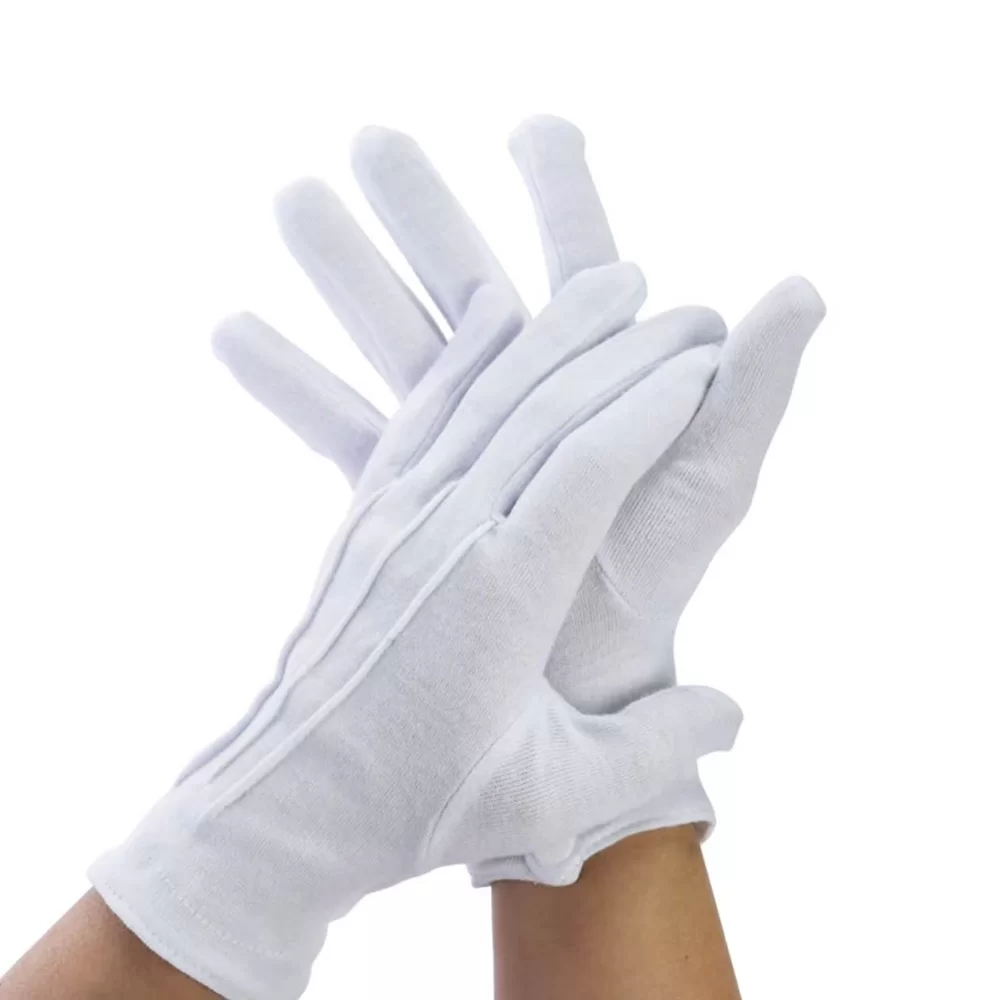
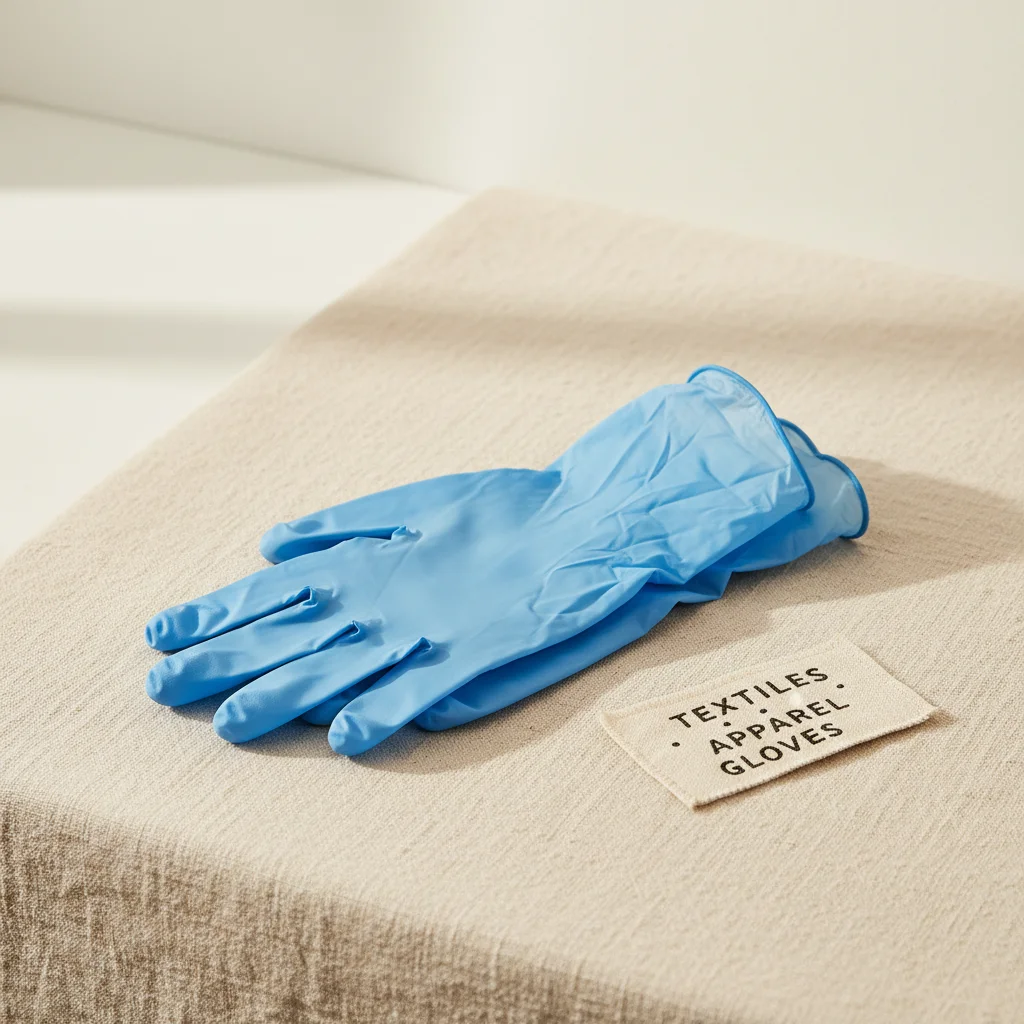
Simply put, non latex gloves for cleaning are protective hand coverings made from materials other than natural rubber latex. This includes nitrile, vinyl, neoprene, and polyurethane. Their primary role is to shield the skin from chemical agents, contaminants, and physical abrasion during cleaning tasks.
These gloves have found their niche not just in industry but in humanitarian and medical fields, where preventing allergic reactions and contamination is critical. Oddly enough, while latex gloves dominated for decades, the shift to non latex materials has been driven partly by demand for hypoallergenic options and partly by advances in synthetic materials that offer improved durability.
Key Features of Non Latex Gloves for Cleaning
- Hypoallergenic: They eliminate allergic reactions linked to latex proteins.
- Chemical Resistance: Materials like nitrile protect hands against detergents and solvents commonly used in cleaning.
- Durability: Stronger tear and puncture resistance compared to some latex gloves.
- Comfort and Fit: Newer materials mold better to hands, reducing fatigue during extended use.
Mini takeaway: Non latex gloves combine safety and comfort, meeting global needs for allergy-friendly and reliable hand protection.
Key Factors to Consider in Non Latex Gloves for Cleaning
1. Material Durability
In real-world cleaning contexts, durability often trumps everything else. Nitrile, for example, offers superior puncture resistance compared to vinyl or neoprene. This means fewer glove failures during tough jobs—saving both time and money.
2. Chemical and Microbial Barrier
Cleaning tasks encounter a wide range of chemicals and pathogens. ISO 374 testing standards help manufacturers ensure gloves provide reliable barriers. For example, gloves used in hospital cleaning must resist viruses and harsh disinfectants alike.
3. Cost Efficiency
While nitrile gloves tend to be pricier than vinyl, their longer lifespan and superior protection often justify the investment. Cost-conscious enterprises must weigh upfront costs against replacement frequency and risk.
4. Environmental Impact
The rise of eco-conscious buyers means biodegradable or recyclable glove options are in demand. Some suppliers now use synthetic materials that degrade faster or reduce carbon footprint during production.
5. Compliance and Certification
Gloves should meet recognized standards like EN 455 (Europe) or FDA guidelines (US) for medical gloves, even if used primarily for cleaning. This ensures a baseline quality level.
6. Comfort and Dexterity
Cleaning workers, especially in healthcare or food service, need gloves that don’t hinder fine motor skills. Thin, elastic materials that maintain tactile sensitivity are prized.
Mini takeaway: Durability and barrier properties sit at the heart of glove function, but sustainability and comfort are rapidly becoming deciding factors.
Global Applications & Use Cases
Non latex gloves for cleaning find diverse usage around the world.
- Healthcare Facilities (North America, Europe): To avoid latex allergies while disinfecting patient rooms and handling waste.
- Food Processing Plants (Asia, South America): Where sanitary conditions and chemical cleaning are daily musts.
- Humanitarian Aid (Africa, Middle East): Relief workers use non latex gloves during disaster recovery, vaccination campaigns, and sanitation projects, minimizing allergy risk and contamination.
- Household Cleaning (Global): Manufacturers now market durable, cost-effective gloves for domestic use, appealing to allergy-sensitive consumers.
In post-disaster relief operations, for instance, responders rely on nitrile gloves to handle potentially contaminated debris and medical waste safely without allergic flare-ups disrupting their work.
Advantages and Long-Term Value of Non Latex Gloves for Cleaning
It’s tempting to think gloves are just functional barriers, but the benefits go deeper. Non latex gloves:
- Protect Worker Health: Eliminating risky allergens enhances workplace safety and morale.
- Support Sustainability Initiatives: Biodegradable options help reduce landfill waste.
- Cut Costs Over Time: Durable gloves last longer, meaning fewer purchases.
- Build Trust and Compliance: Certified gloves meet regulatory demands and reassure customers and employees.
On a more emotional note, providing safe equipment fosters dignity and trust—two often overlooked but crucial components in any cleaning or medical environment.
Product Specification Table
| Specification | Nitrile Gloves | Vinyl Gloves | Neoprene Gloves |
|---|---|---|---|
| Allergy Risk | Low | Low | Low |
| Chemical Resistance | High | Moderate | High |
| Durability | High | Low | Moderate |
| Cost | Medium | Low | High |
| Environmental Impact | Moderate (biodegradable options available) | Lower | Moderate |
| Dexterity/Comfort | High | Moderate | Moderate |
Vendor Comparison: Choosing Your Non Latex Gloves Supplier
| Feature | HMD Glove | CleanSafe Co. | EcoGuard Supplies |
|---|---|---|---|
| Material Variety | Nitrile, Vinyl, Neoprene | Nitrile Only | Biodegradable Options |
| Certifications | ISO, FDA, CE | FDA, CE | ISO, Eco-Cert |
| Pricing | Competitive | Premium | Moderate |
| Customer Support | 24/7 Global | Business Hours Only | Limited |
| Sustainability Focus | Increasing with Biodegradable Lines | Low | High |
Future Trends & Innovations in Non Latex Gloves for Cleaning
The future looks bright — and green. Manufacturers are exploring biodegradable nitrile formulas that decompose faster than current synthetics, helping reduce landfill loads. There's also buzz about integrating antimicrobial coatings into gloves to provide an additional layer of infection control, especially in healthcare cleaning applications.
On the technological front, digital transformation means smarter supply chain tracking and glove performance testing using AI and IoT. Imagine gloves that report wear levels or contamination status to supervisors—sounds futuristic, but many engineers are pushing this forward.
Challenges & Solutions
No technology is perfect, and non latex gloves face their share of hiccups. Vinyl gloves, while affordable, often lack durability and chemical resistance. Some users complain about fit and comfort depending on the glove design. Environmental disposal remains a concern — synthetic gloves contribute to plastic waste.
Solutions:
- Investing in higher-quality nitrile or neoprene gloves for critical tasks.
- Innovating with biodegradable materials and encouraging recycling programs.
- Improving glove ergonomics through better design and sizing ranges.
FAQ: Common Questions About Non Latex Gloves for Cleaning
Q1: Are non latex gloves as protective as latex gloves for cleaning?
A: Yes, especially nitrile gloves which offer comparable or superior chemical and puncture resistance. Always check certification standards like ISO 374 to ensure the gloves meet your required protection levels.
Q2: Can non latex gloves cause allergic reactions?
A: While latex allergies are common, non latex gloves significantly reduce this risk. However, some people may react to additives or powder, so opting for powder-free and certified hypoallergenic gloves is best.
Q3: Are non latex gloves environmentally friendly?
A: Traditionally, synthetic gloves have environmental downsides due to plastic content. But newer biodegradable lines and recycling initiatives are improving sustainability in this sector.
Q4: How do I choose the right non latex gloves for my cleaning needs?
A: Consider the chemicals involved, risk of contamination, usage duration, and comfort. Nitrile is versatile and durable, vinyl suits low-risk tasks and budget needs, while neoprene offers specialty chemical resistance.
Q5: Where can I buy reliable non latex gloves for cleaning?
A: Trusted suppliers like HMD Glove offer certified, hypoallergenic, and performance-tested products suitable for a range of industries.
Conclusion
Non latex gloves for cleaning are much more than protective gear. They represent a thoughtful response to global health concerns, environmental challenges, and the practical realities of industrial and domestic sanitation. As technology and materials advance, these gloves will only become safer, more comfortable, and eco-friendly. For anyone investing in cleaning safety or hygiene, exploring the wide array of non latex options is simply smart.
Want to explore the best non latex gloves for cleaning? Visit our website for a detailed catalog and expert advice tailored to your needs.
Mini takeaway: Protect hands, protect health, protect the planet—all while keeping cleaning practical and safe with non latex gloves.