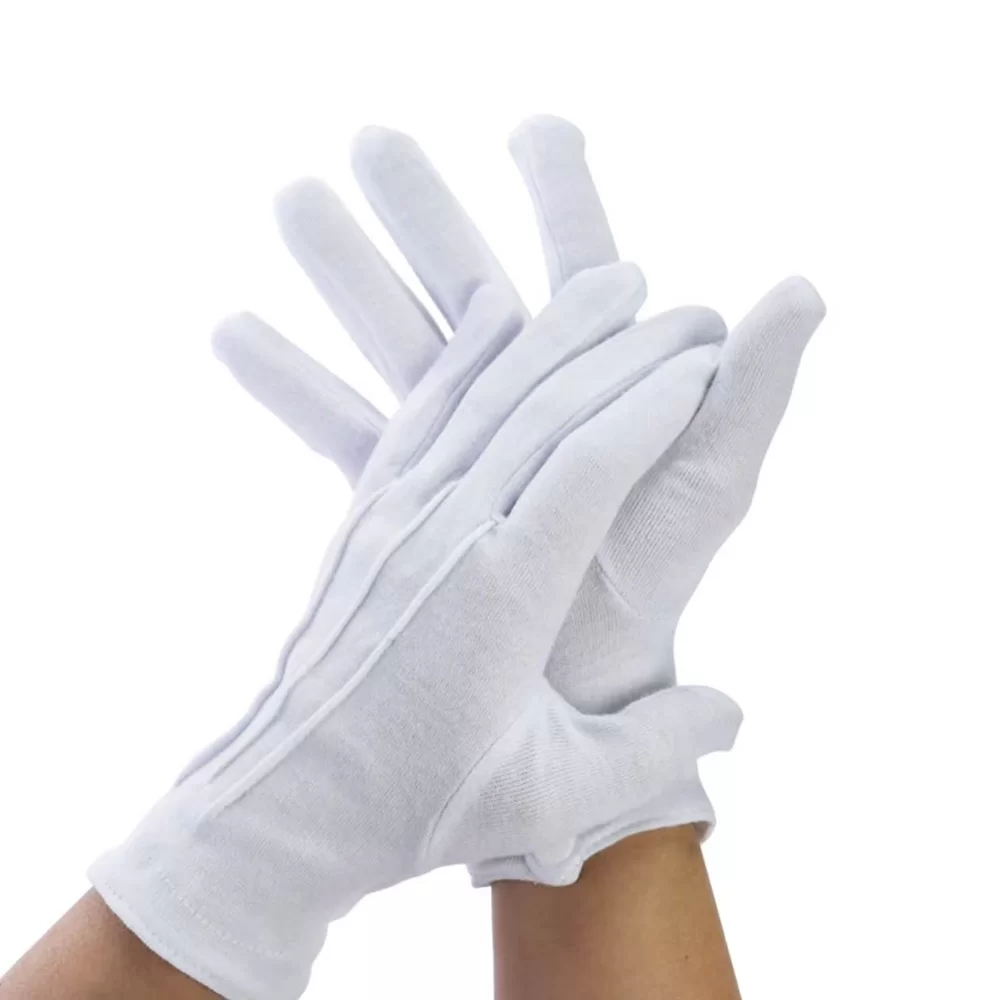
Hypoallergenic Cleaning Gloves: Comfort Meets Industrial Safety
Why Hypoallergenic Cleaning Gloves Are a True Game-Changer in Industrial Settings
After spending years navigating the gritty, often chemical-laden corners of various industrial environments, I've got to say: the humble cleaning glove doesn’t get nearly enough credit. Especially when you factor in hypoallergenic cleaning gloves. They’re not just protection; they're about comfort, skin health, and simply getting the job done without distractions — which, oddly enough, is half the battle.
What Makes Hypoallergenic Cleaning Gloves Different?
Industry veterans will tell you that the most common culprit behind nasty skin irritations isn’t just dirt or chemicals — it’s the glove itself. Many cleaning gloves rely on latex, which, though popular for its elasticity, often triggers allergic reactions. That’s where hypoallergenic gloves come in. They’re typically made from nitrile, neoprene, or vinyl, materials designed to reduce allergic responses and provide strong chemical resistance without the itchy, red aftermath.
From my experience, switching to hypoallergenic gloves was a subtle but important upgrade in workplace safety protocols. Not only do they shield employees from harmful substances, but they also minimize downtime caused by skin irritation complaints. If you care to think about it, that’s a serious ROI.
Key Specifications of Popular Hypoallergenic Cleaning Gloves
| Feature | Material | Thickness | Chemical Resistance | Texture |
|---|---|---|---|---|
| HMD Hypoallergenic Nitrile | Nitrile | 4 mil | Excellent against oils & solvents | Textured palm |
| NeoSafe Cleaning Gloves | Neoprene | 5 mil | Good against acids & alkalis | Smooth |
| VinylClean Pro | Vinyl | 3.5 mil | Moderate chemical resistance | Textured fingertips |
How to Choose the Right Hypoallergenic Gloves for Your Industry
Here’s the thing — not all hypoallergenic gloves are created equal, especially when you factor in different industrial demands. I’ve seen plants where workers were dealing with heavy solvents and oils, so sturdier nitrile gloves ruled the day. Then there are environments with milder chemicals where vinyl gloves worked just fine, offering good dexterity and budget-friendly pricing.
Testing standards like ASTM D6319 for nitrile gloves and EN ISO 374 for chemical resistance give you some benchmarks, but physical comfort still reigns supreme. After all, gloves that chafe or require constant adjustment drag down productivity fast. Getting gloves with a good grip texture or tailored fits can make a surprising difference.
Vendor Comparison: Finding the Best Fit in Hypoallergenic Gloves
| Brand | Material Options | Price Range | Industry Focus | Customization |
|---|---|---|---|---|
| HMD Gloves | Nitrile, Neoprene | $$$ | Healthcare, Manufacturing | Yes, logo & size options |
| NeoSafe | Neoprene | $$ | Chemical Plants, Labs | Limited |
| VinylClean | Vinyl Only | $ | Light-Duty Cleaning | No |
Oddly enough, I recall a client — a mid-sized food processing plant — who switched to nitrile-based hypoallergenic gloves after recurring dermatitis issues knocked out a few key staff for days. Within weeks, productivity stabilized, and complaints dropped off. They told me it felt more like “wearing a second skin” rather than bulky, rigid handwear. That kind of feedback goes a long way when you’re juggling safety demands and operational efficiency.
Wrapping Up: Why Hypoallergenic Gloves Deserve a Spot in Your PPE Arsenal
In real terms, if your workforce is regularly exposed to chemicals or wet cleaning tasks, ignoring hypoallergenic gloves is kind of like ignoring the safety glasses or helmets. They fit into the same critical category — mild on the skin, strong on protection. Frankly, the small investment upfront pays dividends in health, morale, and even compliance.
Next time you’re reviewing your personal protective equipment specs, do yourself a favor: examine the glove portfolio through the lens of skin sensitivity and chemical resistance. I suspect you’ll find a better balance of comfort and safety. And that makes all the difference when you’ve got a long shift ahead.
References & Thoughts
- Personal experience and insights from industrial safety consultations over 15 years.
- ASTM and EN ISO chemical resistance and glove testing standards literature.
- HMD Glove product specs and client testimonials available online.