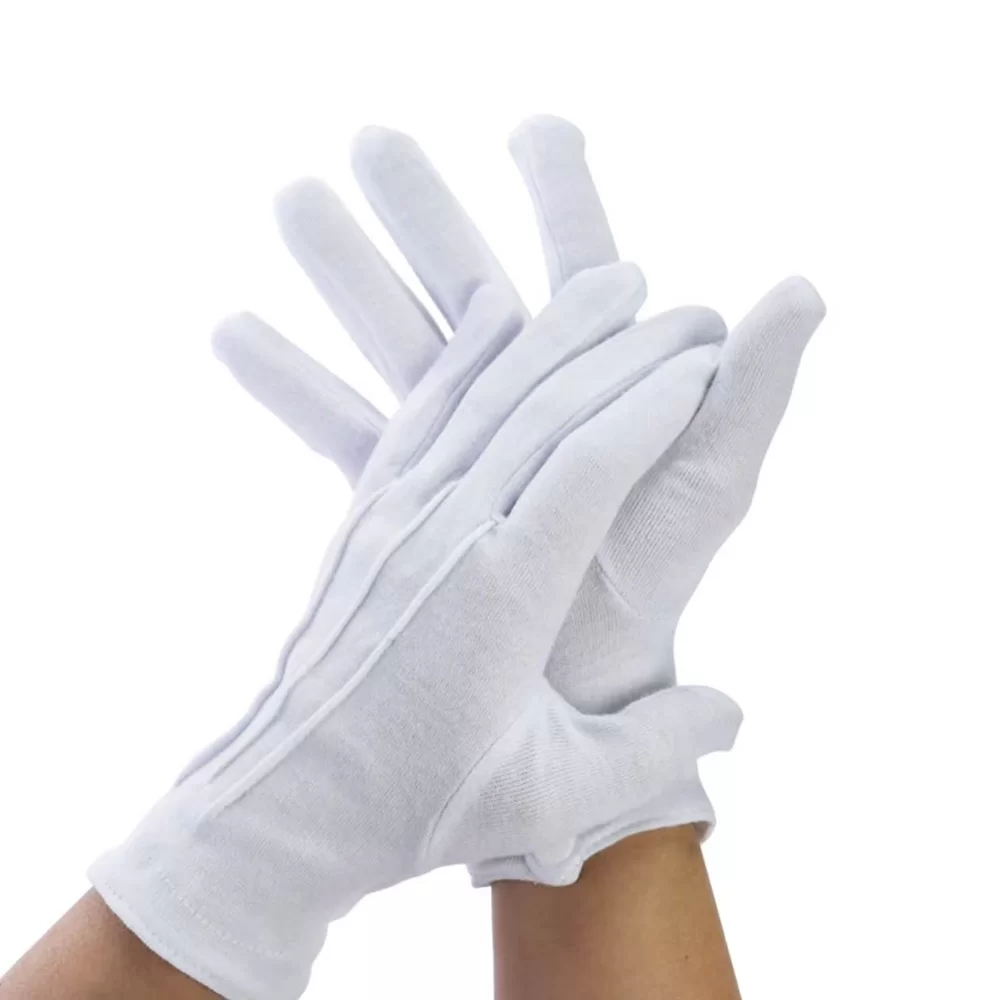
Heavy Duty Household Gloves – Durable Protection for Tough Tasks
Getting to Know Heavy Duty Household Gloves: Why They Matter More Than You Think
Heavy duty household gloves — you might think of them as just thick rubber gloves for tough cleaning jobs. But if you dive a bit deeper, these gloves represent a key tool for safety, hygiene, and even environmental sustainability, on a global scale. Whether you're scrubbing stubborn grease or handling hazardous waste, the right gloves protect your skin, maintain your dignity, and reduce risks.
Globally, with rising awareness for workplace safety and stronger regulations, usage of heavy duty household gloves has surged. From kitchens in bustling cities to emergency response teams in remote villages, understanding this simple yet indispensable accessory unlocks benefits we often overlook: durability, cost efficiency, and sometimes, a tiny but crucial sense of security.
Mini takeaway: Heavy duty household gloves aren’t just cleaning gear; they’re an unsung hero in global health, safety, and sustainability efforts.
The Global Landscape: Heavy Duty Household Gloves in Context
According to the International Labor Organization, over 2.3 million people worldwide suffer workplace injuries each year that proper protective clothing could help mitigate—including hand injuries. And that’s just occupational data. Add in natural disaster zones, pandemic responses, and even everyday households, and the demand for reliable heavy duty gloves skyrockets.
ISO standards like ISO 21420 specify requirements for protective gloves—reaffirming how critical quality gloves are in both industrial and domestic settings. Yet, many users still struggle with gloves that tear easily, cause allergic reactions, or simply fail to fit well, raising concerns about health and productivity. This is not a small issue when you consider global supply chains and the environments these gloves must withstand.
Mini takeaway: The global push for safer work and living conditions shines a spotlight on heavy duty household gloves as essential protective gear, but quality and comfort remain key challenges.
What Exactly Are Heavy Duty Household Gloves?
Simply put, heavy duty household gloves are thicker, tougher gloves designed to shield the hands during demanding tasks at home or in semi-industrial environments. Unlike your everyday latex gloves, they’re made to resist punctures, chemicals, and prolonged wear—think scrubbing grout, handling solvents, or even light mechanical work.
They bridge the gap between consumer convenience and industrial-grade protection. NGOs, construction crews, and even disaster relief workers rely on them because these gloves provide crucial barriers without sacrificing dexterity or breathability—sometimes a tough balance.
Mini takeaway: Heavy duty household gloves combine strength and flexibility to protect hands better than ordinary gloves, fitting a range of real-world needs from the domestic to the humanitarian.
Core Components of Heavy Duty Household Gloves
1. Durability
One of the most obvious points: heavy duty gloves are made from tough materials like nitrile, neoprene, or reinforced rubber. This protects hands from sharp edges, chemicals, and repeated use. Durable gloves can sometimes last weeks, instead of just hours.
2. Chemical Resistance
Many household chores involve exposure to corrosive cleaning agents or oils. Gloves must provide a reliable barrier without degrading quickly. Materials like nitrile excel here.
3. Comfort & Fit
If gloves are too bulky or stiff, users won’t wear them consistently. Good designs balance protection with ergonomics—flexible wrist cuffs, textured grips, and breathable liners.
4. Cost Efficiency
While quality gloves cost more upfront, their longer lifespan and reduced risk of injury or contamination make them, practically speaking, a better value.
5. Environmental Impact
Advanced manufacturing introduces eco-friendlier materials and biodegradable options. Not all gloves fit this, but it’s a growing trend.
Mini takeaway: Durability, chemical resistance, comfort, and environmental concerns are the pillars that define any good heavy duty household glove.
Where and How Are Heavy Duty Household Gloves Used Globally?
- Disaster Relief: In places like Southeast Asia or the Caribbean, after floods or hurricanes, relief workers wear heavy duty gloves to safely handle debris, contaminated materials, and medical waste.
- Industrial & Construction: Workers worldwide protect their hands during manufacturing, repair work, or chemical handling—think steel factories in Germany or automotive plants in Mexico.
- Household & Commercial Cleaning: From small apartments in New York to offices in Tokyo, these gloves help tackle tough stains or hazardous fluids safely.
- Agriculture: Farmhands use gloves to handle pesticides or thorny plants in places like Brazil or India.
- Healthcare Settings: Although more specialized gloves take priority, heavy duty variants often assist with cleaning and waste disposal.
Mini takeaway: From the busiest offices to the harshest disaster zones, heavy duty household gloves are a global frontline defense with broad, diverse uses.
The Tangible Advantages and Long-Term Value
What I find compelling is that these gloves do more than just protect—they enable trust and peace of mind. Knowing your hands are safe encourages better hygiene, safer practices, and ultimately reduces costs from injuries or contamination.
- Cost Savings: Fewer injuries mean fewer sick days and claims.
- Sustainability: Longer-lasting gloves cut down waste.
- Social Impact: Gloves improve safety standards for vulnerable workers and volunteers.
- Reliability: High-quality gloves deliver consistent performance.
On a more human level, putting on a tough pair of gloves feels empowering. A small detail, but one that matters.
Looking Ahead: Innovations on the Horizon
The future here is fascinating. Manufacturers are blending nanotechnology for microscopic puncture resistance with eco-friendly materials like biodegradable polymers. Some gloves now include sensors to detect chemical exposure or temperature changes.
Automation and digital tracking in supply chains ensure gloves maintain quality from factory to user. Then there’s the growing focus on circular economy principles—glove recycling programs and biodegradable options could soon be standard.
Mini takeaway: Smart, sustainable, and safer gloves are no longer just dreams—they’re hitting shelves soon.
Challenges and How We’re Tackling Them
Still, there are issues. Cost remains a barrier in low-income regions. Fit is another perennial challenge—one size rarely fits all. And while durability is key, some gloves become less flexible over time, causing discomfort.
Innovations in flexible, stretchable materials help, as do better sizing systems. Partnerships between NGOs and manufacturers aim to subsidize quality gloves for vulnerable populations, bridging gaps cost-wise and access-wise.
Frequently Asked Questions About Heavy Duty Household Gloves
Q: What materials make the best heavy duty household gloves?
A: Nitrile and neoprene top the list for durability and chemical resistance. Rubber gloves with added reinforcement also do well. Choose based on the task—chemical exposure calls for nitrile, thicker rubber for mechanical protection.
Q: How long do these gloves typically last?
A: It varies with use, but well-made gloves often last weeks or even months in household or light industrial settings. Frequent exposure to harsh chemicals might reduce lifespan.
Q: Can heavy duty gloves cause allergic reactions?
A: Latex can cause allergies for some people. That’s why many manufacturers use nitrile or neoprene alternatives which are hypoallergenic.
Q: Are eco-friendly heavy duty gloves available?
A: Yes! Some brands now offer biodegradable or recyclable gloves made from innovative materials. They balance sustainability without sacrificing protection.
Q: Where can I buy quality heavy duty household gloves?
A: Trusted manufacturers and distributors, including online retailers like heavy duty household gloves specialists, offer a range of options tested for safety and durability.
Quick Product Specification Table
| Feature | Detail |
|---|---|
| Material | Nitrile / Neoprene / Rubber blend |
| Thickness | 0.5 - 0.8 mm |
| Chemical Resistance | High (solvents, detergents, oils) |
| Grip | Textured palm and fingers |
| Sizes | S, M, L, XL |
| Liner | Cotton or breathable polyester |
Vendor Comparison: Leading Heavy Duty Household Glove Providers
| Brand | Materials | Price Range | Eco-friendly Options | Notable Features |
|---|---|---|---|---|
| GloveGuard | Nitrile | $$ | Yes | Puncture resistance, flexible fit |
| SafeHands | Neoprene/Rubber blend | $$$ | Limited | Chemical resistant, ergonomic |
| EcoGlove Co. | Biodegradable polymers | $$$ | Yes | Sustainable, compostable materials |
| WorkSafe Essentials | Rubber | $ | No | Value pricing, bulk packs |
Wrapping Up: The Hands Behind The Gloves
At the end of the day, heavy duty household gloves are more than just supplies—they’re a quiet assurance. Knowing your hands are safe lets you tackle the toughest grime, the nastiest chemicals, or the most challenging cleanup without hesitation. And globally, they help prevent injuries that would otherwise be devastating for individuals and communities alike.
If you haven’t yet tried premium gloves tailored for heavy duty work, now’s a great time. Visit heavy duty household gloves for trusted products designed with both protection and comfort in mind. Because yes, hands deserve their little sanctuary.