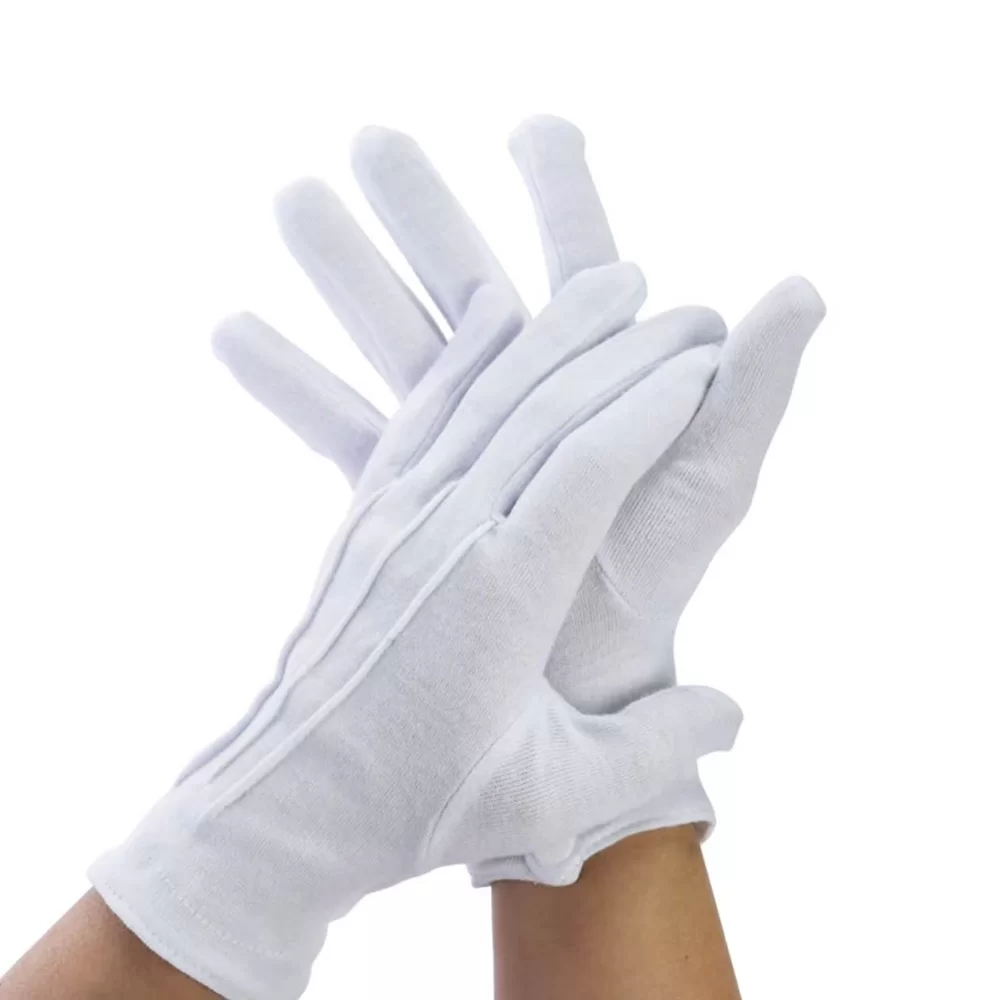
Gloves to Clean Plant Leaves – Essential Tools for Healthy Plants and Sustainable Care
Gloves to Clean Plant Leaves: Essential Tools for Healthy Greenery
Whether you’re an avid gardener, a horticulturist, or working in commercial agriculture, gloves to clean plant leaves are quietly vital yet often overlooked tools. They are specialized gloves designed not merely to protect your hands but to gently and effectively maintain the health and appearance of plants by removing dust, pests, and debris. On a global scale, as urban greening efforts and sustainable agriculture gain pace, understanding how these gloves work and why they matter becomes increasingly important. Healthy plants not only brighten our environment but also improve air quality and contribute to biodiversity — all reasons why gloves dedicated to leaf care deserve your attention.
Introduction: The Global Context of Gloves to Clean Plant Leaves
The global horticulture market is projected to reach $204 billion by 2027, pushed by rising interest in ornamental plants and sustainable agriculture (Statista, 2023). Yet, a challenge remains: plants in urban or indoor environments tend to accumulate dust and harmful particles, which inhibit photosynthesis and stunt growth. That’s where gloves to clean plant leaves come in — a simple yet effective solution used worldwide across nurseries, greenhouses, and even urban offices to maintain plant vigor and health.
Industries ranging from urban farming in the Netherlands to large-scale botanical gardens in Australia rely on these gloves to provide hands-on care. In particular, their ability to gently remove harmful substances without damaging delicate foliage is key. The United Nations Food and Agriculture Organization (FAO) advocates for improved plant care methods as part of broader sustainability goals, indirectly encouraging better tools and protective gear like these gloves.
What Are Gloves to Clean Plant Leaves?
Simply put, gloves to clean plant leaves are designed gloves—often with soft textured surfaces—that allow caretakers to dust and clean foliage safely. Unlike regular gardening gloves, these are specially made to avoid abrasion, minimize damage, and sometimes even have antimicrobial properties to reduce cross-contamination between plants.
On the humanitarian side, during urban greening initiatives or reforestation efforts in disaster-stricken areas, such gloves protect volunteers and workers while ensuring plant health. They inhabit an interesting intersection of personal safety, plant care, and environmental responsibility.
Key Factors When Choosing Gloves to Clean Plant Leaves
1. Material & Texture
Many gloves use nitrile or latex for flexibility, combined with microfiber or soft brushes on fingertips for gentle leaf cleaning. The texture must balance between effective dust removal and avoiding leaf damage.
2. Durability & Reusability
Durability matters if you’re dealing with frequent cleaning—say, in large greenhouses with thousands of plants. Some gloves are washable and built to last weeks or months with proper care.
3. Fit & Comfort
Since leaf cleaning is a delicate process, gloves should fit snugly without restricting finger movement. Oddly enough, too loose gloves can reduce efficiency and increase accidental tearing of leaves.
4. Antimicrobial Features
Certain gloves come treated with antimicrobial coatings to prevent spread of pathogens between plants, which can be crucial in commercial agriculture or botanical studies.
5. Environmental Impact
There’s a growing demand for eco-friendly gloves made from biodegradable or recyclable materials, aligning with the sustainability side of horticulture.
Product Specifications: A Quick Look
| Specification | Typical Range | Notes |
|---|---|---|
| Material | Nitrile, Latex, Microfiber | Soft fingertips for cleaning |
| Durability | Up to 3 months (with moderate use) | Depends on cleaning frequency |
| Antimicrobial coating | Yes/No options | Important for plant pathogen control |
| Eco-friendliness | Biodegradable variants available | Growing demand |
| Price Range | $8 - $25 per pair | Varies by features |
Global Applications and Use Cases
- Urban Gardening: City dwellers use these gloves to maintain indoor plants where dust and pollution buildup are common.
- Greenhouses and Nurseries: Routine leaf cleaning increases photosynthesis efficiency and plant health, crucial for commercial success.
- Botanical Gardens: Conservatories in Europe leverage these gloves to prevent contamination while maintaining rare species.
- Post-Disaster Relief Efforts: Organizations restoring greenery in damaged environments use gloves to protect both plants and volunteers.
- Research Facilities: In lab settings, gloves minimize chemical exposure and preserve plant samples.
For example, a recent urban greening initiative in Singapore mandated the use of specialized gloves for all volunteers to ensure delicate leaves weren’t harmed during cleaning or pest removal. This tiny detail led to measurable increases in plant survivability rates.
Vendor Comparison: Popular Gloves to Clean Plant Leaves
| Brand | Material | Antimicrobial | Eco-Friendly | Price |
|---|---|---|---|---|
| LeafGuard Pro | Nitrile + microfiber | Yes | No | $22/pair |
| EcoPlant Helper | Biodegradable latex | No | Yes | $18/pair |
| SafeGreen | Nitrile with antimicrobial | Yes | Partial | $25/pair |
The Advantages and Long-Term Value of These Gloves
Gloves to clean plant leaves do more than protect your hands—they ensure plant vitality, which translates to healthier air and greener spaces. Many professional growers talk about how these gloves preserve the “dignity” of each leaf, maintaining aesthetic and functional quality. Emotionally, there’s a quiet joy in knowing you’re helping nature thrive with minimal damage.
On the logical side, these gloves reduce the need for chemical cleansers, lowering environmental impact and operational costs. Plus, they improve worker safety—no more irritated skin from plant sap or soil contaminants.
Emerging Trends and Innovations
Looking ahead, glove manufacturers are experimenting with smart textiles embedded with sensors that can detect plant moisture or pest presence—a kind of green tech fusion. Sustainability remains a hot topic—products made from plant-based polymers or recycled materials continue to grow in popularity.
Digitally, augmented reality platforms are developing to train workers in optimal leaf cleaning techniques, often recommending specific gloves for task precision. Automation has yet to replace the tactile nuance needed here, so the human touch keeps these gloves relevant.
Challenges and How to Overcome Them
One main limitation is balancing durability with gentle cleaning. Some gloves either wear out fast or are too rough, damaging leaves. Experts suggest layering gloves—using thin inner liners with special outer gloves—or switching gloves regularly. Another challenge is cost; however, investing in quality gloves often pays off by reducing plant loss.
Manufacturers tackling antimicrobial treatment scalability face hurdles in ensuring coatings do not degrade over time. Continued R&D is crucial here.
FAQ: Frequently Asked Questions About Gloves to Clean Plant Leaves
- Q1: How often should gloves to clean plant leaves be replaced?
- A: It depends on frequency and type of use, but generally every 1-3 months to maintain effectiveness and hygiene.
- Q2: Can I use regular gardening gloves for cleaning plant leaves?
- A: Not ideally. Regular gloves may be too abrasive and lack the soft textures needed to protect delicate foliage.
- Q3: Are antimicrobial gloves necessary for home plant care?
- A: Not always required for casual use, but they are recommended in commercial or research settings to prevent disease spread.
- Q4: Are there eco-friendly options for these gloves?
- A: Yes, several brands now offer biodegradable or recyclable gloves that align with sustainable gardening practices.
- Q5: Where can I find specialized gloves to clean plant leaves?
- A: Many horticultural suppliers and online stores offer them. For dependable quality, check out gloves to clean plant leaves.
Conclusion
In real terms, gloves to clean plant leaves are essential small tools with big impact. They safeguard your hands, nurture plant life, and contribute to greener, healthier environments globally. Whether you’re green-thumbed hobbyist or part of a large agricultural operation, investing in the right gloves improves outcomes and supports sustainability. For an extensive range of high-quality gloves tailored for plant care, visit gloves to clean plant leaves and take your plant maintenance to the next level.
It’s fascinating how something as simple as gloves designed for leaf cleaning can make such an important difference—for plants, for people, and for our planet.
Takeaway: The right gloves don’t just protect—they cultivate care, connection, and a cleaner world.
- FAO. “Sustainable horticulture.” Food and Agriculture Organization of the United Nations. fao.org/horticulture/en
- Statista. “Global horticulture market size 2023.” statista.com
- ISO. “Personal protective equipment standards.” iso.org/ics/13.340