Gloves for Laundry: Essential Protective Gear for Global Safety and Hygiene
Gloves for Laundry: Essential Protection with Global Impact
When you think about laundry—maybe images of washing machines or fresh-smelling sheets come to mind—gloves are rarely the first thing you’d associate. Yet, gloves for laundry play a crucial role not only in homes but also on a massive, global scale. From safeguarding workers in industrial laundries to supporting humanitarian aid workers in remote zones, these gloves protect millions every day. Understanding their importance means appreciating the blend of safety, hygiene, and efficiency they bring to an often-overlooked part of daily and industrial life.
Introduction: Why Gloves for Laundry Matter Worldwide
Globally, over 60% of textile workers are exposed to wet work conditions, according to the International Labour Organization (ILO). Laundry staff in hospitals, hotels, and large industrial facilities face numerous hazards, including chemical detergents, hot water, and bio-contaminants. In fact, ISO standards on protective clothing emphasize hand protection as a critical element for occupational health and safety. Unfortunately, many workers lack adequate hand protection, leading to skin diseases or injuries that affect not just their health but also productivity and morale.
It’s not just about workplace safety either. In humanitarian settings—think disaster relief, refugee camps, or health crisis zones—cleaning and laundry services are vital for public health. Here, disposable or reusable laundry gloves prevent cross-contamination and help control infections. So when we talk about gloves for laundry, we're addressing a multifaceted challenge at the crossroads of industry, health, and dignity.
What Are Gloves for Laundry?
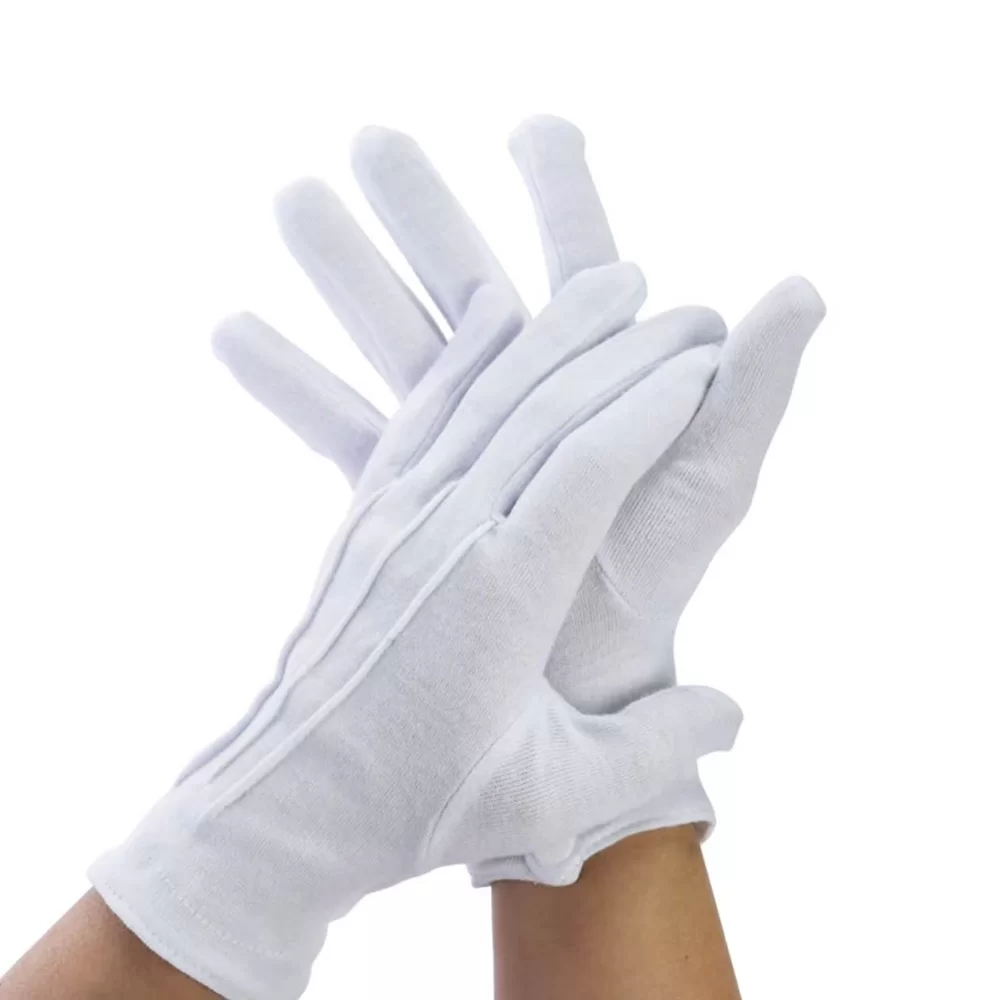
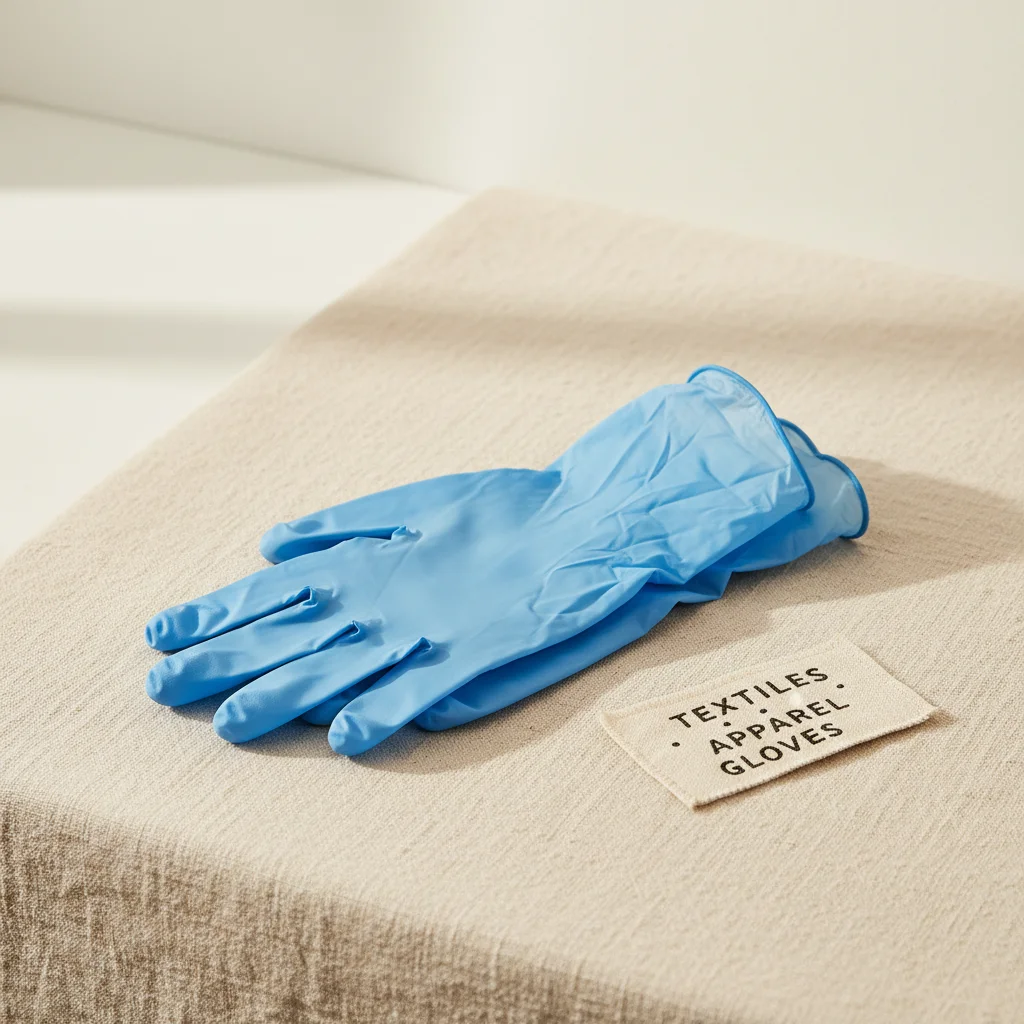
Simply put, gloves for laundry are protective gloves specifically designed to shield hands during washing, handling of dirty textiles, or contact with cleaning agents. Unlike general-purpose gloves, these have properties like chemical resistance, heat tolerance, and waterproofing. They come in various materials such as latex, nitrile, neoprene, or PVC, each suited to different tasks or environments.
This protective gear forms the frontline defense for workers managing wet, hazardous laundry conditions—reducing skin irritations, preventing infections, and enabling safer work practices. Increasingly, they are an industrial safety staple and a humanitarian necessity.
Key Factors in Choosing Gloves for Laundry
1. Durability and Chemical Resistance
Detergents and laundry chemicals can be harsh—some degrade glove material quickly. Durable gloves maintain their integrity through repeated exposure, protecting users without frequent replacement. Nitrile gloves, for example, offer high chemical resistance and tear strength, making them a popular choice.
2. Waterproofing & Comfort
Wet-work demands gloves with 100% waterproofing. But comfort matters too; gloves that fit well and allow dexterity reduce fatigue and increase compliance with safety protocols. Thicker gloves might protect better but can hinder movement, so balance is key.
3. Reusability vs. Disposable Options
In industrial laundries, reusable gloves are often preferred for cost efficiency and sustainability. However, in highly contaminated or medical laundry, disposable gloves help prevent cross-contamination and are regularly mandated by hygiene standards.
4. Size & Fit Availability
Gloves must fit properly—too tight and they restrict blood flow, too loose and they reduce effectiveness. Offering a range of sizes encourages correct usage and reduces hand strain.
5. Certification & Compliance
Look out for gloves that meet international standards such as EN 374 (chemical protective gloves) or ASTM guidelines. Compliance ensures tested performance and reliability.
Gloves for Laundry in Global Applications
In Europe, industrial laundry facilities in hospitals depend on specialized nitrile gloves to handle biohazardous linens safely. Meanwhile, in South Asia’s large-scale garment factories, gloves for laundry protect workers exposed to wet, chemically treated fabrics for hours daily.
Refugee camps in Africa use disposable gloves during laundry operations managed by NGOs to maintain hygiene and reduce disease spread. Oddly enough, even in domestic setups across colder regions, insulated laundry gloves help people manage hand care when dealing with frigid water and detergents.
Product Specification Table: Popular Gloves for Laundry
| Glove Type | Material | Chemical Resistance | Reusable | Size Range |
|---|---|---|---|---|
| Nitrile Laundry Glove | Nitrile | High | Yes | S-XL |
| Disposable Vinyl Gloves | Vinyl | Low-Medium | No | M-L |
| Neoprene Gloves | Neoprene | High | Yes | S-XL |
| PVC Coated Cotton Gloves | PVC/Cotton | Medium | Yes | M-XL |
Advantages & Long-Term Value of Laundry Gloves
- Health & Safety: Gloves minimize skin diseases from wetness and irritants.
- Cost Efficiency: Durable gloves reduce replacement frequency, saving money.
- Sustainability: Reusable gloves cut down on medical waste.
- Social Impact: Boost worker morale through protective equipment that values their safety.
- Hygiene Assurance: Prevent cross-contamination in healthcare and disaster relief.
It’s funny how something as simple as a glove can embody trust, care, and responsibility in messy, challenging settings. The right gloves offer a bit of dignity to workers who might otherwise risk their health daily.
Vendor Comparison: Popular Laundry Gloves by Manufacturer
| Vendor | Material Options | Price per Pair | Certification | Customization Available |
|---|---|---|---|---|
| HMD Industrial Gloves | Nitrile, Neoprene, PVC | $1.20 - $3.50 | EN 374, ISO 9001 | Yes |
| SafeHands Ltd. | Vinyl, Latex | $0.60 - $2.00 | ASTM D6978 | Limited |
| EcoGuard PPE | Biodegradable Nitrile | $2.50 - $4.00 | EN 374, ISO 14001 | Yes |
Future Trends in Laundry Gloves
Environmental concerns are pushing innovations like biodegradable and recyclable glove materials. Digital transformation also means some gloves are beginning to incorporate sensors that detect chemical exposure or wear and tear—pretty futuristic, right? Automation in large laundries has increased glove demand for robust, long-lasting designs that can endure mechanized workflows.
On the policy front, hygiene standards tighten globally, especially post-pandemic, driving more stringent requirements for laundry gloves’ protective performance and waste management, which means expect greener, smarter, and more ergonomic gloves coming soon.
Challenges & Solutions
Despite their benefits, some gloves cause allergic reactions (latex allergy is a classic example) or discomfort if fit and material choice aren’t ideal. Cost-based compromises in quality sometimes lead to premature glove failure. To tackle these, manufacturers recommend thorough material testing and user training. Organizations increasingly partner with suppliers who can customize gloves to fit local conditions and worker needs.
FAQ: Gloves for Laundry
- What type of gloves are best for industrial laundry?
- Nitrile gloves are generally preferred due to their excellent chemical resistance and durability, especially in facilities handling strong detergents and biohazards.
- How often should laundry gloves be replaced?
- Reusable gloves vary but typically last a few weeks to months depending on exposure and care; disposable gloves should be changed after each contaminated load to prevent infection risks.
- Are laundry gloves waterproof?
- Most gloves designed for laundry are waterproof to prevent skin irritation from wet conditions, but it’s important to check product specifications for specific limits on water penetration.
- Can gloves for laundry protect against heat?
- Some gloves have heat resistance features for handling hot water or steam. Neoprene gloves, for instance, offer moderate heat protection compared to thin vinyl ones.
- Where can I find gloves for laundry in bulk?
- Companies like HMD Industrial Gloves offer bulk purchases with customization options — great for hospital or commercial laundry operations looking for reliable supply.
Conclusion
Gloves for laundry are much more than a simple accessory; they are a cornerstone of hygiene, worker safety, and efficiency in countless global industries and humanitarian efforts. Their benefits ripple through health, economics, and social dignity — making them indispensable. Curious to upgrade your safety gear? Visit our website: gloves for laundry to explore solutions tailored for your needs.
In the end, investing in quality gloves feels like investing in people — and that’s a smart move anywhere.
Mini takeaway: Reliable laundry gloves balance protection, comfort, and cost — empowering global workers and safeguarding public health.
References:
1. International Labour Organization (ILO). “Safety and health in the working environment.”
2. ISO Standards for Protective Gloves (ISO 374).
3. World Health Organization (WHO). “Hand hygiene in health care.”