Gloves for Housework: The Essential Guide to Protection and Sustainability
Gloves for Housework: Essential Protection for Everyday Chores
Gloves for housework are more than simple household accessories—they’re little shields of protection that many overlook. Whether scrubbing sinks, washing dishes, or handling cleaning chemicals, these gloves keep our skin safe, our hands comfortable, and chores a bit less taxing. Given the global thrust toward safer work environments and sustainable living standards, understanding the role and variety of gloves for housework becomes surprisingly important.
Global Importance of Gloves for Housework
In our interconnected world, the demand for safe, hygienic domestic environments continues to rise. According to the International Labour Organization, over 60% of the global workforce is engaged in informal and domestic work at some point, often with minimal protection. In fact, housework-related injuries, like dermatitis and chemical burns, are common but preventable with the right gloves. This makes gloves for housework a crucial tool not just for individual health but for public safety worldwide.
Oddly enough, many assume housework gloves are purely a convenience item, but frankly, they intersect with broader concerns like occupational safety, chemical exposure limits (per ISO standards), and even gender equity, as women predominantly perform house chores globally.
What Are Gloves for Housework?
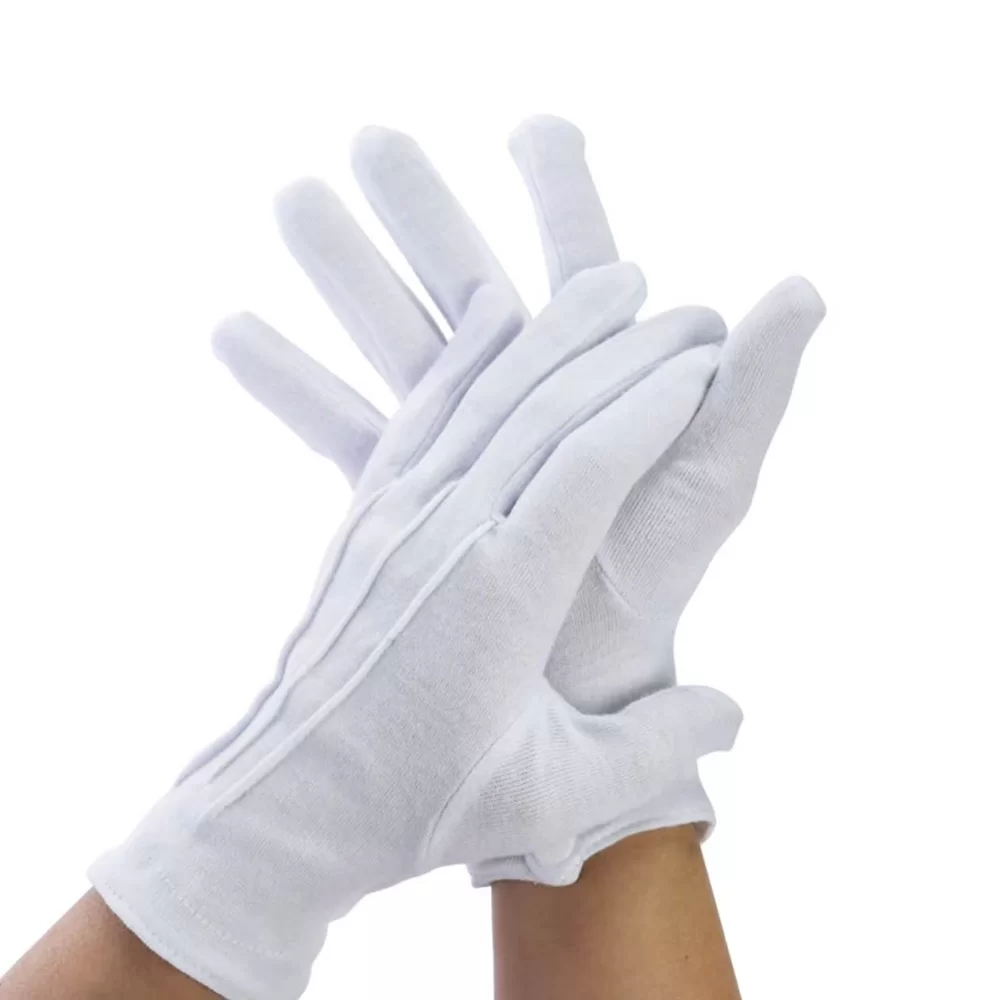
Simply put, gloves for housework are specialized protective hand coverings designed to shield skin from detergents, hot water, grime, and other hazards common in domestic cleaning and maintenance tasks. Unlike industrial gloves, these tend to balance durability with flexibility and comfort, enabling dexterity needed for fiddly chores. You could say they are the everyday armor against irritation and injury in the home setting.
The humanitarian dimension is also notable: in disaster relief scenarios where sanitation is critical, clean gloves for housework help prevent infections and cross-contamination. Thus, their meaning spans both domestic bliss and public health imperatives.
Key Factors to Consider When Choosing Gloves for Housework
1. Material Composition
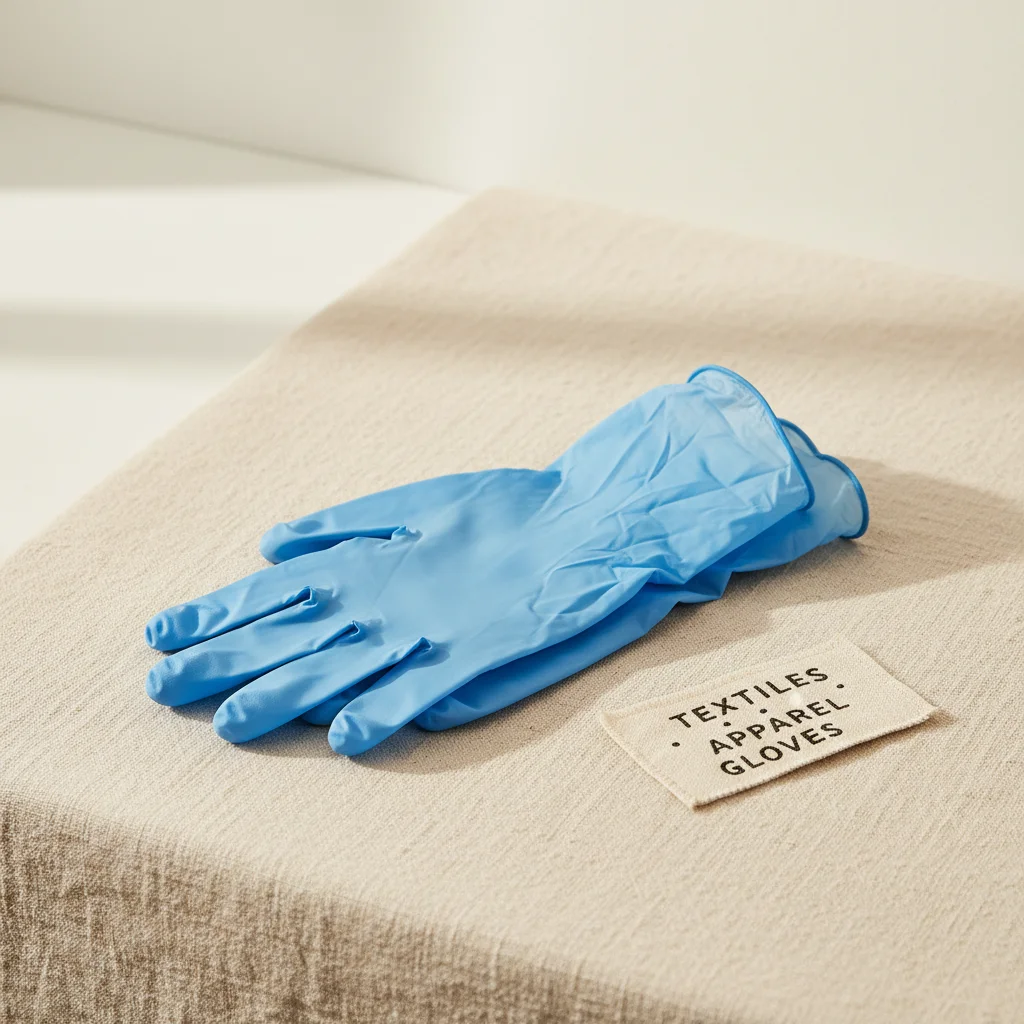
The material ultimately defines a glove’s durability, sensitivity, and allergenic potential. Common choices include latex (flexible but allergenic for some), nitrile (chemical resistant), vinyl (affordable and hypoallergenic), and neoprene (durable and heat resistant). Each material suits different tasks, which explains why some households keep several kinds of gloves.
2. Durability & Reusability
Because housework gloves face repeated exposure to water and chemicals, their ability to resist tearing and degradation is key. For long-term cost efficiency, reusable gloves that can endure multiple sessions make practical sense, though disposable gloves have their place for heavy-duty or hygienic tasks.
3. Size & Fit
Oddly enough, many people assume “one size fits all,” but ill-fitting gloves hamper task performance and can cause hand fatigue or reduced grip. Proper sizing ensures dexterity and comfort, which are essential for tasks like dishwashing or precise dusting.
4. Thickness & Tactility
Balancing thickness is tricky: thicker gloves protect better but reduce sensitivity. For example, thinner gloves facilitate handling small objects or delicate cleaning tools, while thicker ones offer more protection against harsh chemicals.
5. Cost Efficiency
Households and organizations alike want the best bang for their buck. Investing in good-quality gloves reduces replacements and cuts health risks, which is a classic case of spending a little now to save a lot later.
Product Specifications of Popular Gloves for Housework
| Feature | Latex Gloves | Nitrile Gloves | Vinyl Gloves |
|---|---|---|---|
| Chemical Resistance | Good | Excellent | Moderate |
| Allergy Potential | High | Low | Low |
| Flexibility | High | Moderate | Moderate |
| Durability | Moderate | High | Low |
| Typical Price per Pair | $2-4 | $3-6 | $1-3 |
Global Usage: Real-World Applications of Gloves for Housework
Gloves for housework aren’t restricted to cozy homes in Europe or North America. In developing regions, NGOs distributing hygiene kits often include rubber gloves as a staple—especially where waterborne diseases prevail. For instance, in Southeast Asia’s flood-prone zones, they’re vital during cleanup to minimize contact with contaminated water.
Moreover, in industrialized cities, housekeeping staff at hotels and hospitals rely heavily on durable, chemical-resistant gloves to maintain health standards. Oddly enough, this everyday protection reflects broader protocols governed by bodies such as ISO and WHO, emphasizing how important gloves are in both private and professional spheres.
Vendor Comparison: Leading Providers of Gloves for Housework
| Vendor | Material Options | Price Range | Sustainability Features | Global Reach |
|---|---|---|---|---|
| HMD Glove Co. | Latex, Nitrile, Vinyl | $2-6 per pair | Eco-friendly packaging, Reduced chemical footprint | Worldwide |
| SafeClean Supplies | Nitrile, Neoprene | $3-7 per pair | Biodegradable glove lines | North America, Europe |
| EcoGlove International | Natural rubber, Vinyl | $1.5-5 per pair | Compostable gloves, Renewable materials | Asia, Africa |
Why Invest in Quality Gloves for Housework? Advantages & Long-Term Value
From a cost perspective, good quality housework gloves reduce the frequency of replacements and health care expenses stemming from skin ailments. Socially, they uphold the dignity of cleaning professionals and homeowners alike. There’s also the environmental angle: sustainable gloves cut waste and encourage eco-friendly production practices, addressing growing consumer demand for green products.
On a simpler level, nothing beats the confidence of safely handling harsh detergents or scalding water without worrying about burns or irritation. It improves daily well-being, possibly even making mundane chores feel a touch less dreary.
Future Trends & Innovations in Housework Gloves
Interestingly, the future of gloves for housework points toward smart materials that improve tactile feedback without sacrificing protection. We’re also seeing biodegradable polymers replacing traditional synthetics, driven by global sustainability goals like those of the United Nations Environmental Programme (UNEP).
Automation and IoT integration might soon extend to gloves with sensors that monitor hand strain or chemical exposure in real-time—an innovation particularly relevant for professional cleaners and healthcare workers.
Challenges and How to Overcome Them
Common issues include latex allergies, environmental concerns with synthetic glove waste, and sizing inconsistencies. Industry experts suggest promoting hypoallergenic materials and encouraging circular economy models (like glove recycling programs) as promising solutions. Awareness campaigns are also key to ensuring widespread proper use.
FAQ: Gloves for Housework
- Q: What type of gloves are best for prolonged dishwashing?
A: Nitrile gloves strike a good balance between chemical resistance and comfort, ideal for lengthy exposure to detergents and water. - Q: Can I reuse disposable gloves for housework?
A: Generally no—disposable gloves degrade quickly and may harbor bacteria. Opt for durable reusable gloves if you want economical long-term use. - Q: Are latex gloves safe for people with allergies?
A: No, nitrile or vinyl gloves are better options for individuals sensitive to latex proteins. - Q: How do gloves for housework contribute to environmental sustainability?
A: Choosing biodegradable or recyclable materials helps reduce plastic waste, supporting a circular economy.
Conclusion
Ultimately, gloves for housework are a small but mighty part of maintaining health, hygiene, and comfort at home and beyond. They safeguard skin from irritants, foster dignity in labor, and align with increasing global emphasis on sustainability and safety. So, if you haven’t given much thought to your housework gloves until now — maybe it’s time you did. For high-quality, eco-conscious gloves tailored to your needs, visit gloves for housework.
Here’s a quick takeaway: The right gloves don’t just protect your hands—they protect your whole household.