Essential Guide to Housework Gloves – Protection, Comfort & Sustainability
Understanding Housework Gloves: Why They Matter More Than You Think
When you think of housework gloves, you probably picture those bright, rubbery hand covers you wear while scrubbing your dishes or cleaning the bathroom. But these gloves are more than just colorful household accessories — they play a surprisingly vital role globally, not only improving hygiene but protecting countless hands in industrial, humanitarian, and domestic settings alike.
Why does this matter? Well, poor hand protection is a major source of injury and contamination worldwide. According to the World Health Organization, skin and soft tissue injuries contribute significantly to workplace incidents, many of which could be prevented by proper protective gloves. Effectively understanding, selecting, and using housework gloves has ripple effects on health, safety, and even environmental sustainability.
The Global Context: Why Housework Gloves Are More Than Just Household Items
Globally, housework gloves serve as frontline defense in everything from kitchen chores in Europe to sanitation workers in South Asia. The United Nations Statistics Division highlights that millions of workers worldwide lack access to adequate Personal Protective Equipment (PPE), and improperly protected hands increase risks of infections and dermatitis.
The COVID-19 pandemic underscored the importance of gloves in reducing viral transmission — which also applies to everyday housework gloves used by millions of households and frontline workers alike. But beyond the immediate pandemic response, there is an increasing demand for gloves designed for durability, comfort, and friction resistance. It’s one thing to chuck a pair on, but another to trust them to protect your skin all day long.
Oddly enough, not many people realize housework gloves are even standard regulated products under various ISO standards, ensuring safety and environmental compliance. If gloves aren’t up to snuff, the issues go beyond just discomfort — chemical contamination, allergic reactions, and premature glove failure can drag down productivity and safety simultaneously.
What Exactly Are Housework Gloves?
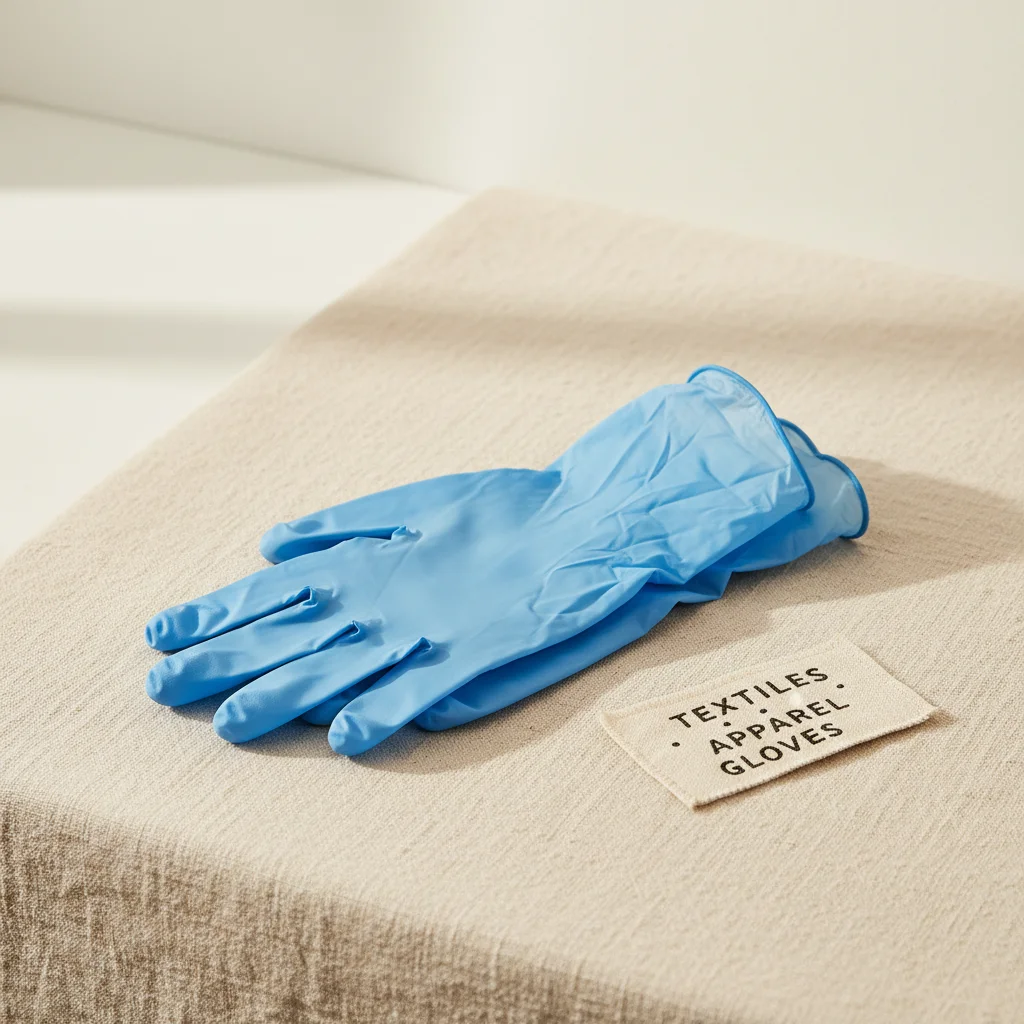
At their simplest, housework gloves are protective gloves designed primarily for household cleaning and chores, but their use now stretches into light industrial and healthcare settings. They typically combine a flexible material like latex, nitrile, or vinyl with textured surfaces for grip and a lining for comfort.
Think of them as your hands' armor against detergents, hot water, bacteria, and abrasive surfaces. Their connection to modern industry lies in the overlap between domestic use and sectors like food handling, lab work, and maintenance — where hand protection is critical but also needs to remain comfortable and affordable.
From a humanitarian perspective, clean gloves protect vulnerable populations in disaster-stricken areas or developing regions, helping control infection spread during sanitation upgrades or relief efforts.
Core Features That Define Quality Housework Gloves
1. Durability
Durability is, of course, king in glove design. The glove must resist tearing, punctures, and chemical degradation while maintaining flexibility. For housework gloves, this often means a thicker rubber or nitrile layer, sometimes reinforced at the fingertips.
2. Comfort and Fit
Many engineers say a glove that feels tight or overly bulky gets tossed aside fast. So, softness, ergonomic fit, and some degree of breathability all matter. A glove that causes sweating can lead to skin irritation and early removal, defeating the point.
3. Chemical Resistance
Housework gloves commonly confront harsh detergents, bleach, and even solvents. The right material choice—whether natural latex, synthetic nitrile, or vinyl—dictates what chemicals the gloves can withstand.
4. Grip and Texture
Functional gloves have textured palms or fingertips to reduce slippage on wet surfaces, improving safety and efficiency.
5. Environmental Impact
Oddly enough, sustainability now factors heavily. More brands produce biodegradable or reusable gloves to reduce landfill waste, answering calls for greener housework solutions.
Housework Gloves in Action: Going Beyond the Kitchen Sink
Sure, everyone uses gloves for dishes or cleaning. But industries and regions have found myriad applications:
- Healthcare in developing countries: NGOs distribute gloves to reduce infections during sanitation improvements.
- Food handling in Europe and North America: Gloves prevent cross-contamination while ensuring tactile sensitivity.
- Disaster relief efforts in Southeast Asia: Workers use gloves for debris removal and medical aid under challenging conditions.
- Domestic cleaning in urbanized Asia and Latin America: Rising awareness about chemical exposure encourages glove use.
For a quick example: A volunteer team in the Philippines used nitrile housework gloves during typhoon cleanup last year; the gloves protected their hands from cuts, bloodborne pathogens, and chemical residue simultaneously. It’s one thing to say “wear gloves” and another when the gloves provide real, multi-faceted defense.
Practical Specs of a Popular Housework Glove Model
| Specification | Details |
|---|---|
| Material | Nitrile rubber, powder-free |
| Length | 12 inches (30 cm) |
| Thickness | 0.38 mm (medium thickness) |
| Grip type | Textured fingertips and palm |
| Certification | ISO 11193-1 compliant |
| Color options | Yellow, blue, green |
Comparing Leading Vendors of Housework Gloves
| Brand | Material Focus | Sustainability Efforts | Pricing (per 100 pairs) |
|---|---|---|---|
| GloveX | Nitrile & Latex blends | Recyclable packaging | $70 - $85 |
| PureHands | Natural Latex, vegan options | Biodegradable glove options | $80 - $95 |
| SafeGrip | Powder-Free Vinyl | Lower carbon footprint production | $60 - $75 |
Why Invest in Housework Gloves? The Payoff Over Time
When you buy a quality pair of housework gloves, you’re investing in more than just cleaner hands. These gloves save money long-term by reducing skin trauma, allergies, and infections — which mean fewer sick days and medical costs. Plus, gloves protect dignity and comfort, so tasks feel less like a chore.
Socially, gloves help preserve hygiene standards in sensitive settings, whether at home or in healthcare. Many users express more confidence handling chemicals or tackling grimy jobs, which in the end boosts productivity and trust.
Sustainability is becoming an emotional and logical selling point: gloves made from renewable or recyclable materials reduce landfill waste and environmental impact—which is important when millions of gloves go through disposal annually.
The Road Ahead: Innovations and Trends
Tech advances don’t leave gloves behind. New materials like graphene-enhanced coatings improve tear resistance without bulk, while antimicrobial treatments fend off germs. Digital advances mean smart gloves embedded with sensors that monitor hand strain or contamination are no longer science fiction.
Automation demands gloves that handle delicate tasks without losing protection—think robotics assembly lines and food inspection. On the policy front, several countries are pushing stricter PPE regulations, encouraging manufacturers to innovate sustainably and responsibly.
Common Hurdles—and How to Overcome Them
Gloves sometimes cause allergic reactions, especially with natural latex. The solution? More brands offer latex-free or vegan options like nitrile or vinyl. Availability can be an issue too, but supply chain improvements are smoothing that out.
Users often complain about sweating and discomfort. The industry responds with gloves made using breathable linings or thinner ergonomic designs that keep durability intact. And then there’s cost: bulk buying and reusable gloves are making protective handwear more affordable for families and organizations.
FAQs: Quick Answers on Housework Gloves
Q1: How long do typical housework gloves last with regular use?
A: Generally, reusable housework gloves can last 1-3 months depending on usage intensity and materials. Thinner gloves meant for light cleaning may last just weeks. Storing gloves dry and avoiding harsh chemicals extends life.
Q2: Are nitrile gloves better than latex for allergic users?
A: Yes, nitrile is synthetic and typically allergy-safe, unlike latex which contains proteins that can trigger reactions. Nitrile also offers strong chemical resistance.
Q3: Can housework gloves protect against COVID-19?
A: While gloves help limit surface contact, proper glove use combined with hand washing is key. Gloves aren’t foolproof but are one layer in comprehensive hygiene practices.
Q4: Can I reuse disposable latex housework gloves?
A: Disposable gloves are designed for single use only. Reusing can increase risk of contamination and compromise protection.
Q5: How can I choose the right size for my gloves?
A: Most manufacturers provide sizing charts. Measure the circumference of your hand around the knuckles (excluding thumb) and refer to the guide for the best fit to ensure comfort and protection.
Wrapping Up: Why Every Home—and Industry—Needs Reliable Gloves
In the grand scheme, housework gloves might seem trivial. Yet, they’re humble heroes protecting health, enhancing productivity, and advancing sustainability worldwide. Whether you’re washing dishes or working in healthcare, the right gloves mean less stress, fewer injuries, and a cleaner environment.
So, next time you reach for protection, think beyond the color or price tag—aim for quality, fit, and responsible sourcing. Your hands, and the planet, will thank you.
For those interested in exploring top-tier housework gloves and related PPE, we invite you to visit our website: housework gloves.
Stay safe, stay protected.
References: