Equestrian Riding Gloves with Superior Grip & Breathability
Insider’s Guide to Equestrian Riding Gloves: What Matters Now
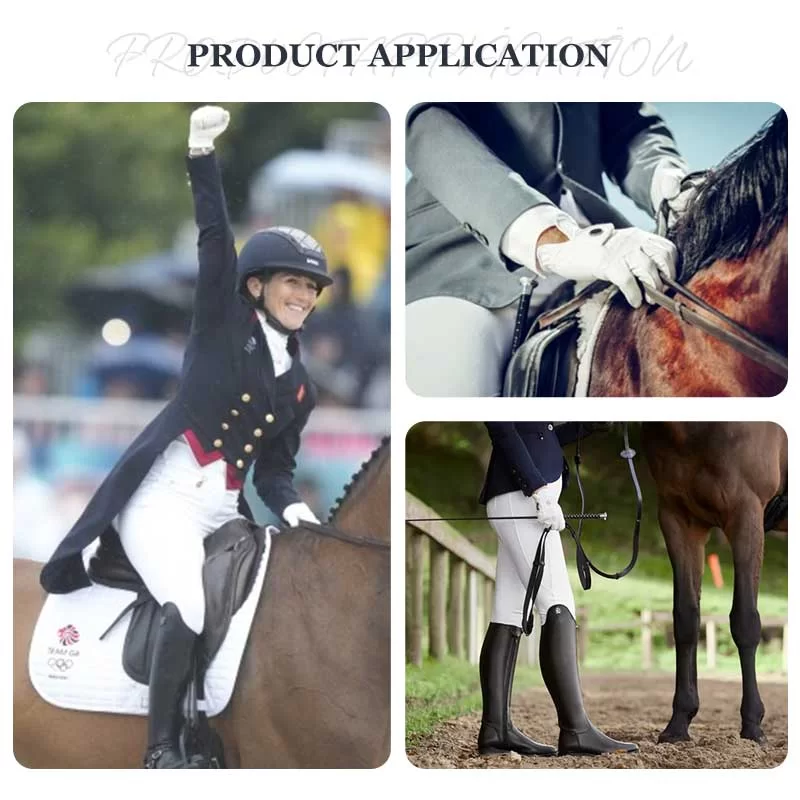
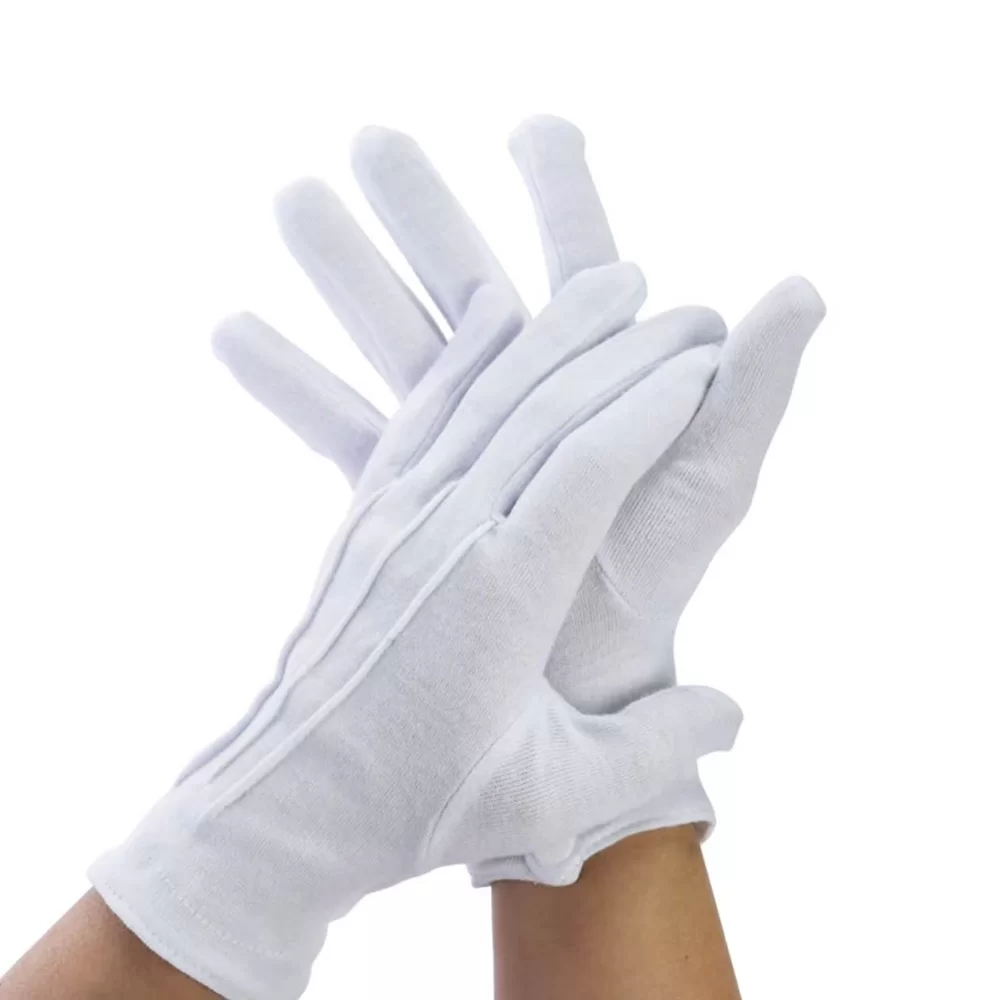
If you spend your weekends around tack rooms and torn half chaps (guilty), you already know that Equestrian Riding Gloves are more than a pretty accessory. They’re the quiet control system between your hands and the reins. Properly designed pairs blend grip, breathability, and durability—sharpening feel while protecting skin. That’s the sweet spot for training, competition, and, frankly, everyday hacks.
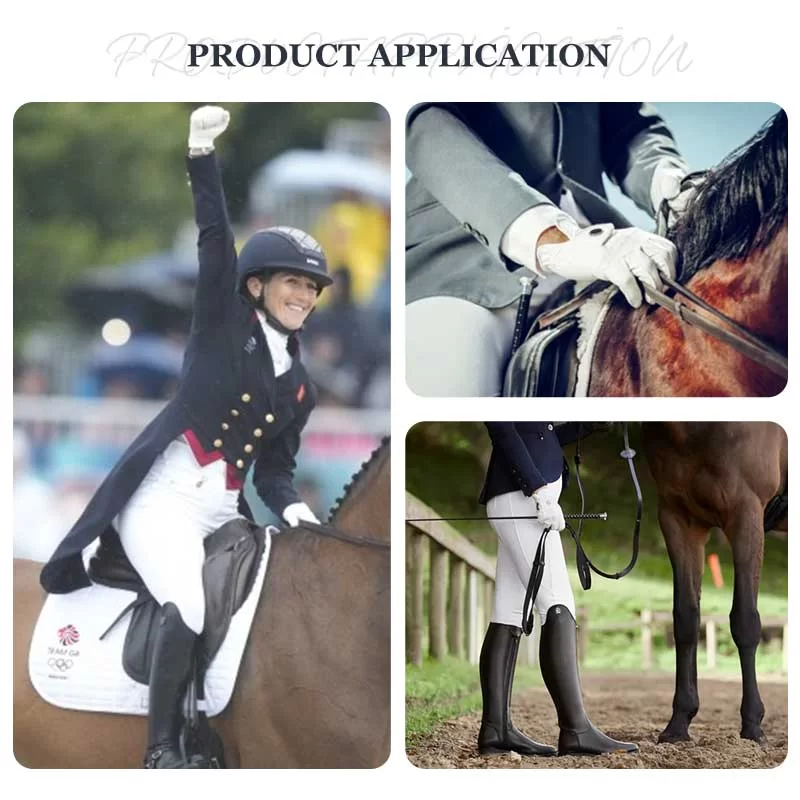
What’s trending (and what’s just hype)
- Microfiber suede palms with targeted silicone printing for higher rein friction without bulk.
- Touchscreen-friendly thumbs/index fingers that actually work (finally).
- Mesh backs and perforated leather for airflow; riders want cool hands without losing structure.
- Sustainability: OEKO-TEX–certified textiles and REACH-compliant finishes are becoming table stakes.

Materials and build: how good gloves are made
Process flow (field-proven, not just lab neatness):
- Material selection: synthetic suede (microfiber, ≈0.7–0.8 mm), goatskin options, spandex/Lycra back, hook-and-loop closure, conductive yarn patches.
- Cutting and paneling: pre-curved fingers, reinforced rein contact zones (ring + middle finger channels).
- Stitching: double-needle seams, bartacks at stress points; edge binding to reduce fray.
- Finishing: silicone micro-dots or patterns; sweat-wipe thumb panel; size grading XS–XL (sometimes kids’ sizing).
- Testing: see standards and data below.
Product specs (typical configuration)
| Item | Spec (≈, real-world use may vary) |
|---|---|
| Palm | Microfiber suede 0.75 mm with silicone grip map |
| Back | Breathable mesh + spandex, UV-resistant finish |
| Reinforcement | Double layer along rein path; bartack stitching |
| Touchscreen | Conductive thumb/index |
| Service life | ≈12–24 months with regular schooling; shorter in wet/sandy arenas |
| Certifications | Materials typically OEKO-TEX Standard 100; REACH compliant; factory ISO 9001 (on request) |
Testing, standards, and sample data
- General glove requirements: EN ISO 21420 [1].
- Mechanical risk reference: EN 388 (where applicable) [2].
- Grip/COF: ASTM D1894 on leather rein, µ ≈ 0.62 dry / 0.48 damp (internal bench tests) [3].
- Breathability: ASTM E96 water vapor transmission ≈ 550–700 g/m²·24h for mesh zones [4].
- Abrasion: ISO 12947 (Martindale) palm fabric > 20,000 rubs before wear-through (lab sample) [5].
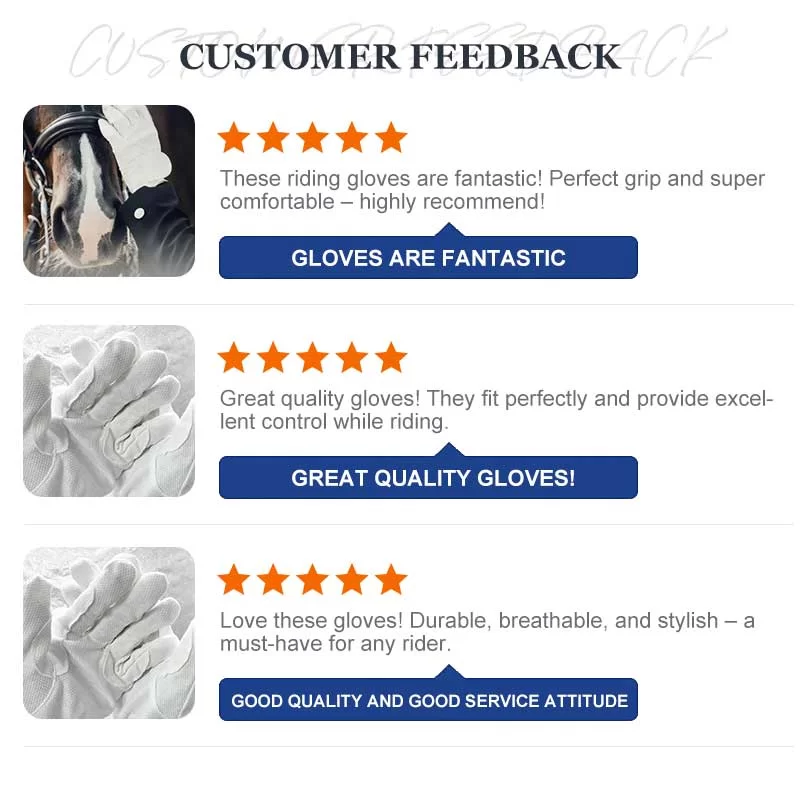
Use cases (where they shine)
- Show jumping and eventing: confident grip in fast, sweaty rounds.
- Dressage: tactile feedback for half-halts; slim seams aid subtle cues.
- Riding schools, therapeutic programs, mounted police: durability and easy fit across sizes.
Many customers say Equestrian Riding Gloves reduce rein slip on humid mornings—anecdotally, that mirrors what I’ve felt during summer clinics.
Vendor snapshot and customization
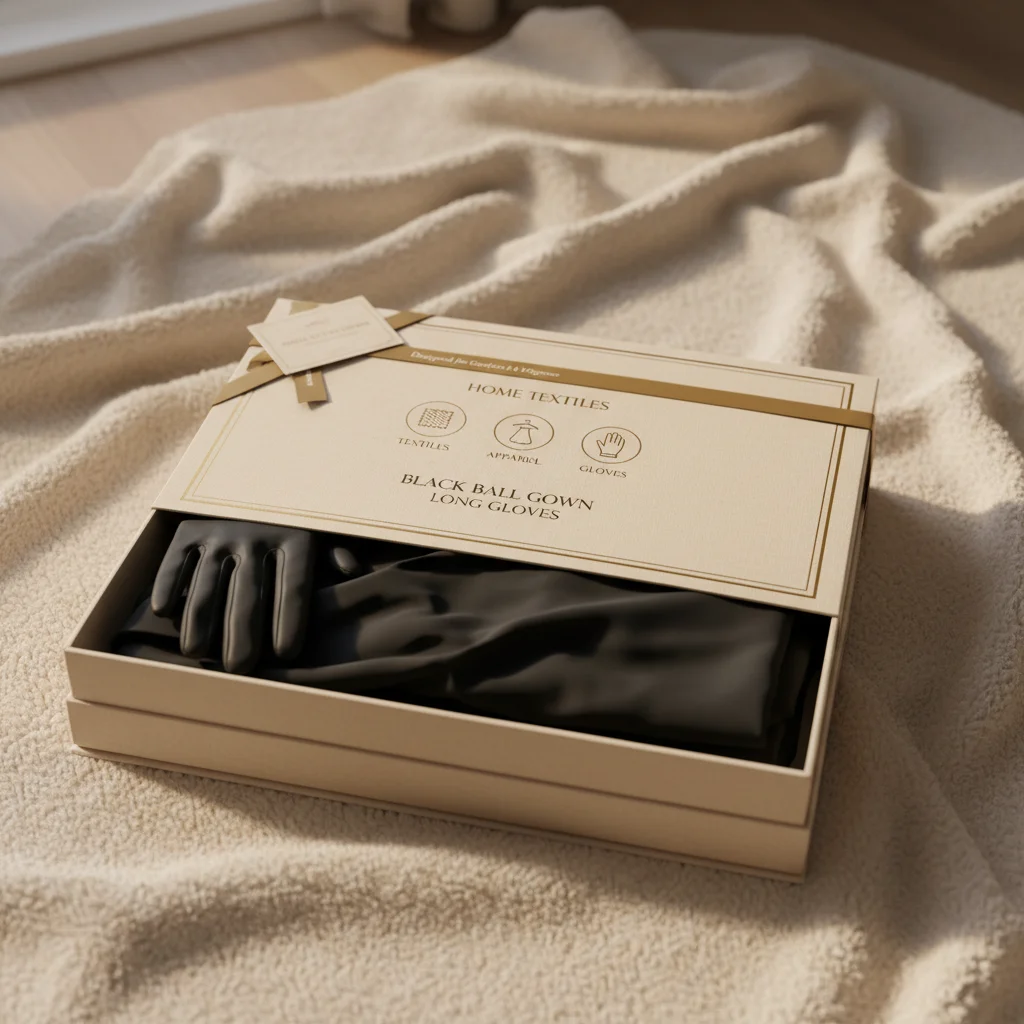
Origin matters: these are produced in No.553 Taihua street Shijiazhuang, Hebei, China—an area with deep textile manufacturing know-how. Custom options include logos/emboss, colorways, winter linings (Thinsulate 40–80 g), reinforced crops/long-rein variants, and retail-ready packaging.
| Vendor | Lead Time | Certs (typ.) | MOQ | Customization | Warranty |
|---|---|---|---|---|---|
| HMD Gloves (origin factory) | ≈25–35 days | ISO 9001, OEKO-TEX, REACH (on request) | ≈500 pairs | High: grip maps, sizing, branding | ≈12 months workmanship |
| Brand A (trading) | ≈35–45 days | Varies by lot | ≈1,000 pairs | Medium | 6–12 months |
| Brand B (OEM Europe) | ≈20–30 days | REACH, OEKO-TEX | ≈300–600 pairs | Medium–High | 12 months |
Mini case study
A riding school in humid coastal conditions swapped to Equestrian Riding Gloves with silicone-mapped palms. Over six weeks, coaches logged ≈28% fewer “rein slip” notes in lesson reports and fewer blisters among beginners. Not lab-grade science, but it tracks with the grip and breathability data above.
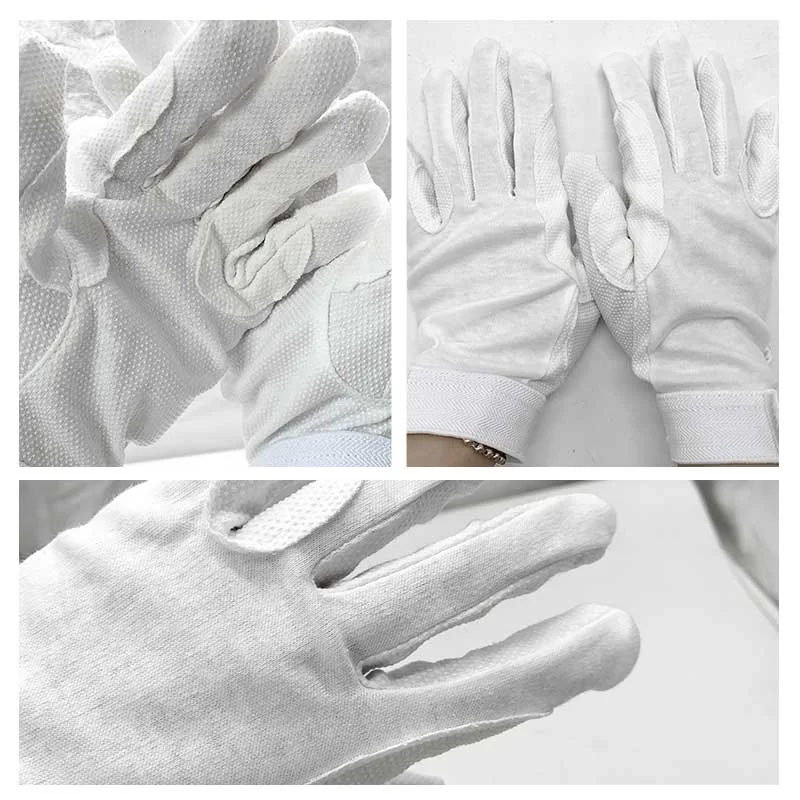
Bottom line: pick gloves that balance tactile feel with abrasion resistance, and verify standards/testing where possible. The rest—style, logo, even color—comes second to reins that stay right where you want them.
Authoritative citations
- EN ISO 21420: Protective gloves — General requirements and test methods. https://www.iso.org/standard/71108.html
- EN 388: Protective gloves against mechanical risks. https://standards.iteh.ai/catalog/standards/cen/dcda6f8d-0f2b-4df1-9e6f-6a0e7edb039b/en-388-2016-a1-2018
- ASTM D1894: Standard Test Method for Static and Kinetic Coefficients of Friction of Plastics. https://www.astm.org/d1894
- ASTM E96/E96M: Water Vapor Transmission of Materials. https://www.astm.org/e0096_e0096m
- ISO 12947 (Martindale): Determination of abrasion resistance of fabrics. https://www.iso.org/standard/27764.html