Equestrian Riding Gloves | Superior Grip & Breathable Fit
Equestrian Riding Gloves: grip, breathability, and control that actually matter
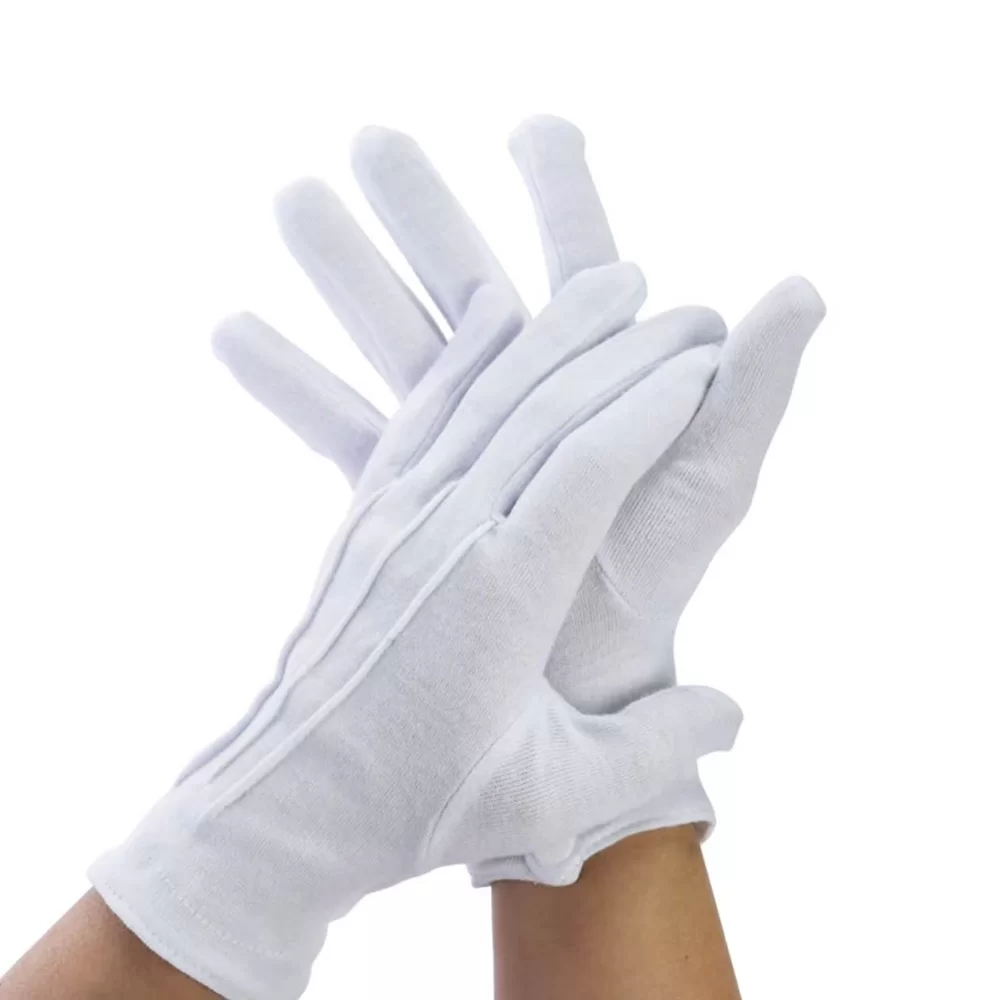
If you spend real time on the reins, you know gloves can make or break a ride. Equestrian Riding Gloves are built to balance secure hold, dexterity, and protection—without the clammy hands. Origin: No.553 Taihua street Shijiazhuang, Hebei, China. In day-to-day terms: better confidence over fences, cleaner half-halts, fewer blisters. Many customers say the difference is obvious after one schooling session.
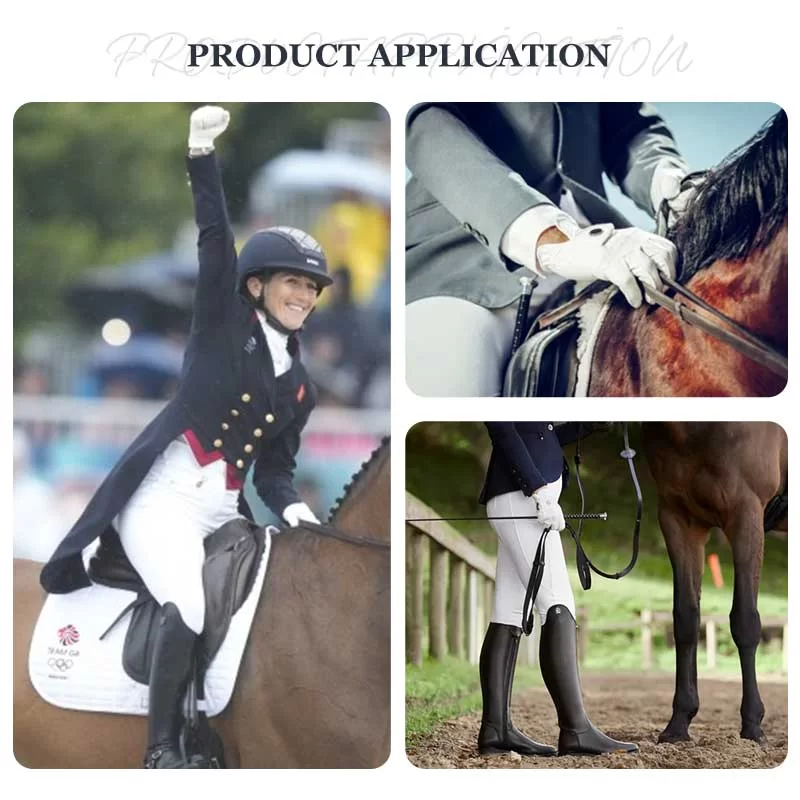
What’s trending in the tack room
Three things: touchscreen fingertips (we all check courses on phones now), vegan microfibers that still feel like premium leather, and lab‑verified breathability. Actually, sustainability is creeping in fast—REACH-compliant finishes and OEKO‑TEX fabrics are becoming table stakes. And yes, riders are asking for reinforced “rein zones” because, surprisingly, that’s where gloves fail first.
Key specifications (real-world focused)
| Palm material | Microfiber PU (≈0.6–0.8 mm) with silicone micro-dots at rein contact |
| Back panel | Stretch mesh (nylon/spandex) for airflow; pre‑curved fingers with fourchettes |
| Touchscreen | Conductive thumb/index tips (capacitive) |
| Breathability | ISO 9237 air permeability ≈ 250–380 mm/s (in-house test; may vary) |
| Abrasion | ASTM D3884 Taber: ≈10,000–12,000 cycles to wear-through on palm patch |
| Seam strength | ASTM D1683 ≈ 120–160 N at finger seams (flatlock/overlock mix) |
| Sizes & weight | XS–XL; ≈52–68 g/pair; elastic cuff with hook-and-loop tab |

How they’re made (quick process flow)
Materials: microfiber PU or soft goat leather (optional), nylon/spandex mesh, neoprene cuff, conductive yarn tips. Methods: CAD patterning, die cutting, palm silicone print, pre‑curve forming, box-and-fork finger construction, double‑stitching at rein zones, 100% QC. Testing: abrasion (ASTM D3884), tear (ASTM D2261), air permeability (ISO 9237), color fastness, perspiration resistance. Compliance often targets REACH and OEKO‑TEX Standard 100 for skin contact. Service life? Around 6–18 months of regular riding; heavy schooling or polo reins can shorten that.
Where they shine
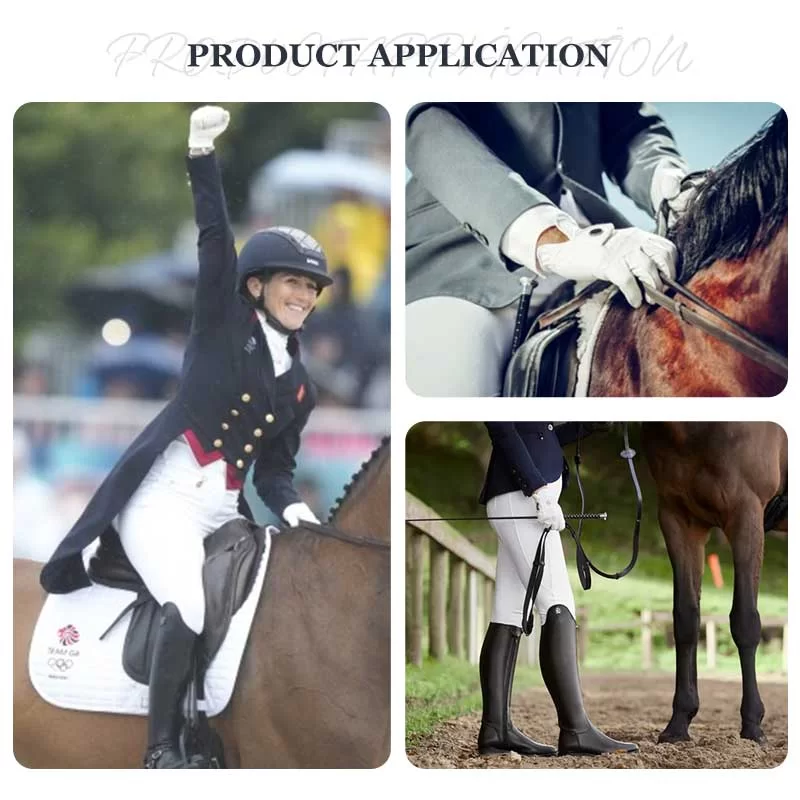
Dressage (clean contact), show jumping (fast resets), eventing schooling, hacking, riding schools, even mounted police units. Advantages riders call out: steady rein friction in the rain, less bunching at the knuckles, and—this sounds minor—tabs that don’t snag on martingales.
Vendor snapshot (what to consider)
| Vendor | Grip tech | Materials | Certs/Compliance | MOQ & lead time |
|---|---|---|---|---|
| OEM (Hebei, China) | Silicone micro-dot; textured PU | Microfiber PU, mesh, optional goat | REACH, OEKO‑TEX components (model-dependent) | ≈500 pairs; 25–35 days |
| EU premium brand | Proprietary synthetic “leather” | High-stretch synthetics | Brand-declared OEKO‑TEX (select lines) | Retail only; N/A for OEM |
| US sport brand | PU with silicone zones | PU, mesh, fleece (winter) | Varies by model | Retail; OEM via partners |
To be honest, the best pick depends on how hard you ride and whether you need customization or just a solid retail pair.
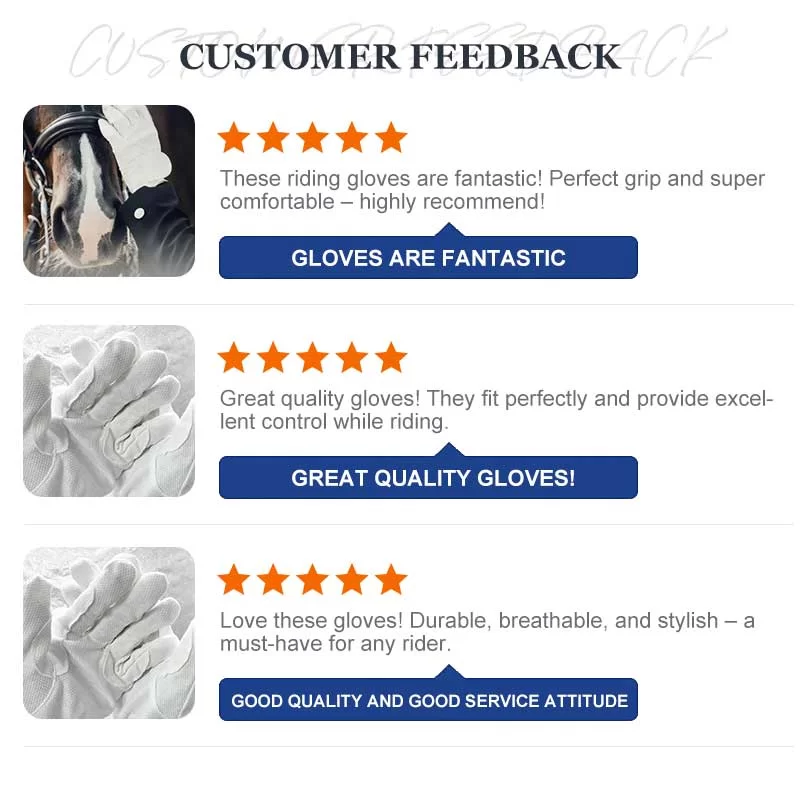
Customization options
Equestrian Riding Gloves can be tailored: club or barn logos, colors (classic black/navy to show-ring tan), winter lining (Thinsulate ≈40 g), reinforced curb rein patch, longer gauntlet, or higher air‑permeability mesh for hot climates. Packaging can be retail carded or eco paper wrap.
Quick case note
A riding school in humid coastal weather reported students switching from cotton knit gloves to Equestrian Riding Gloves; blisters decreased noticeably within two weeks, and—unexpected win—fewer dropped reins during canter transitions in rainy lessons. Small sample, sure, but consistent feedback.
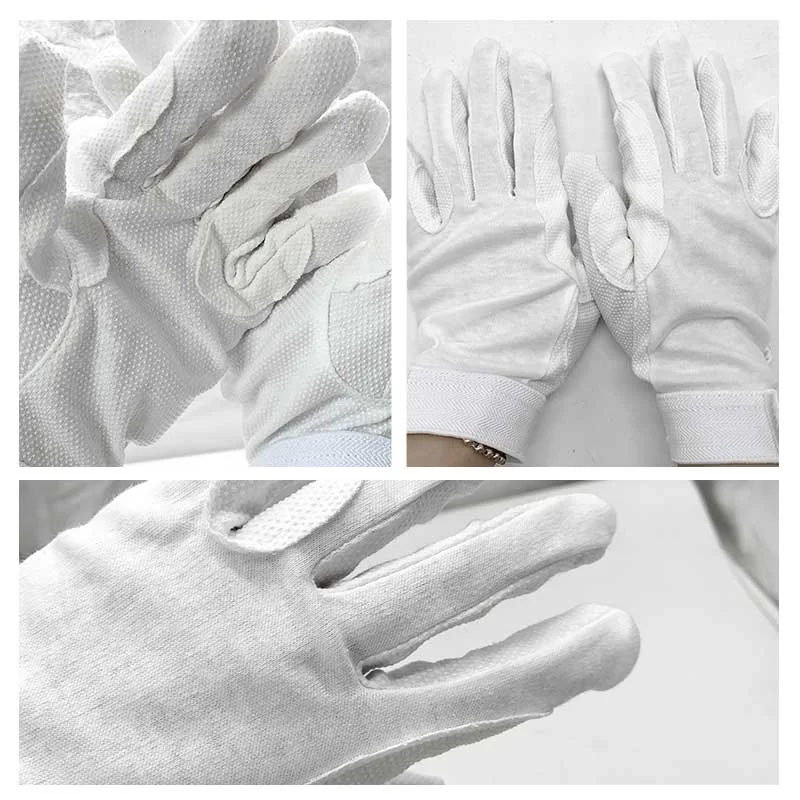
Care and lifespan tips
Hand wash cool, air dry flat; avoid softeners (they reduce grip). Rotate two pairs if you ride daily. Real-world use may vary, but expect ≈9–12 months for schooling, longer for light use.
Standards and references
- ASTM D3884 – Standard Guide for Abrasion Resistance of Textile Fabrics
- ISO 9237 – Textiles — Determination of permeability of fabrics to air
- ECHA – Understanding REACH
- OEKO‑TEX Standard 100 – Product class guidelines
- USEF Dressage Rules (attire guidance; gloves context varies by level)
- British Horse Society – Rider safety guidance