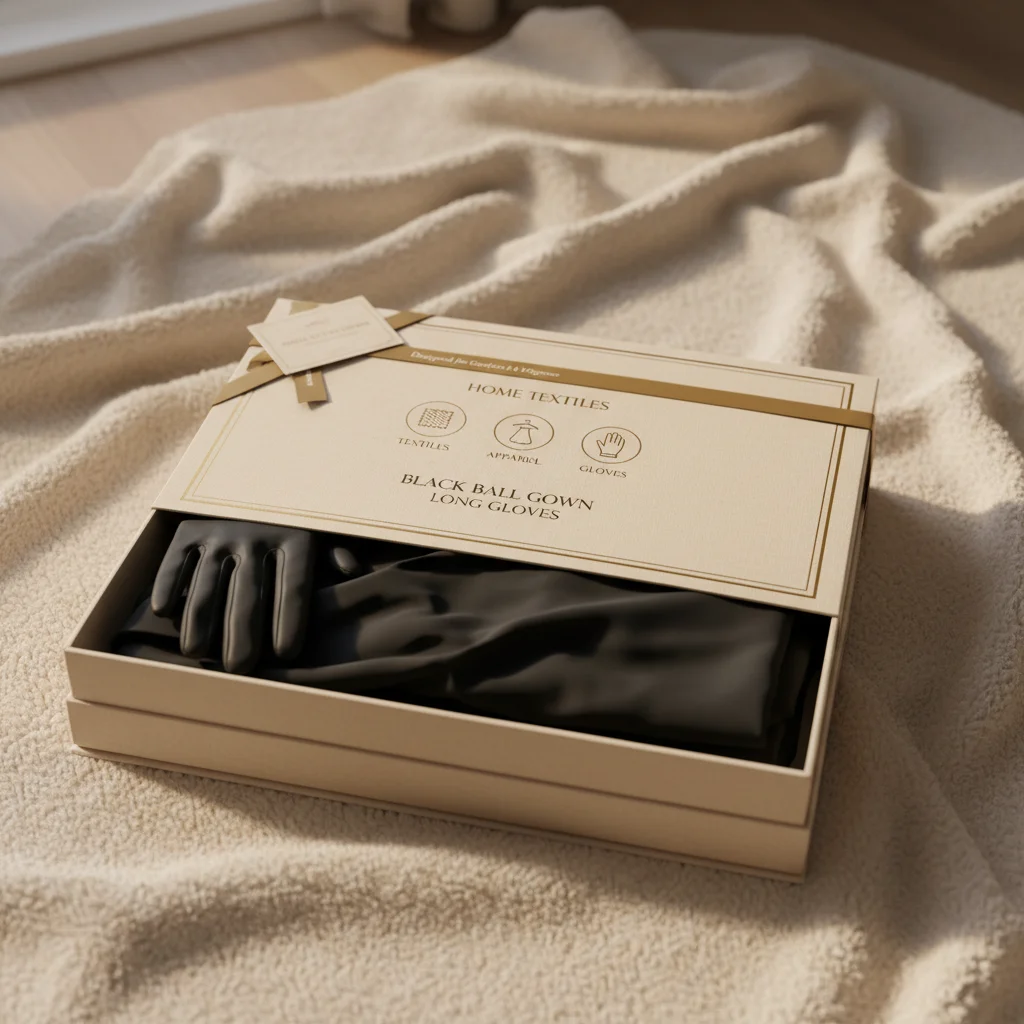
Dusting Mitten – Your Eco-Friendly Cleaning Companion for Home & Industry
The Dusting Mitten: A Simple Solution with Global Impact
In our increasingly fast-paced and health-conscious world, the dusting mitten quietly makes a compelling case for itself. It’s one of those low-tech, low-cost tools that packs surprising power — not just for keeping homes tidy, but in wider industrial, environmental, and humanitarian contexts too. If you haven’t heard much about dusting mittens before, this article will walk you through why they matter, what makes them tick, and how they fit into global efforts around health, safety, and sustainability.
Understanding the dusting mitten's purpose and applications isn’t just about cleaning better—it’s about reducing waste, improving air quality, and sometimes even supporting vulnerable populations where access to cleaning resources is limited. And frankly, given the growing focus on eco-friendly tools, these simple mitts often outperform expectations.
Why Dusting Mittens Matter Worldwide
Globally, indoor air pollution remains one of the top causes of respiratory problems—in some regions, indoor dust contributes heavily to this problem. The World Health Organization reveals that nearly 3.8 million premature deaths are linked to household air pollution annually (1). Alongside this, the demand for effective, sustainable cleaning tools is rising in both developed and developing markets.
This is where the humble dusting mitten plays a key role. It focuses on physically trapping dust particles rather than moving or dispersing them — a crucial difference that limits allergen spread and cuts down on secondary contamination indoors. Plus, it’s reusable, reducing dependency on disposable wipes or sprays burdening our environment. While this might seem niche, industries and households alike are waking up to the practical and ecological benefits.
So, What Exactly Is a Dusting Mitten?
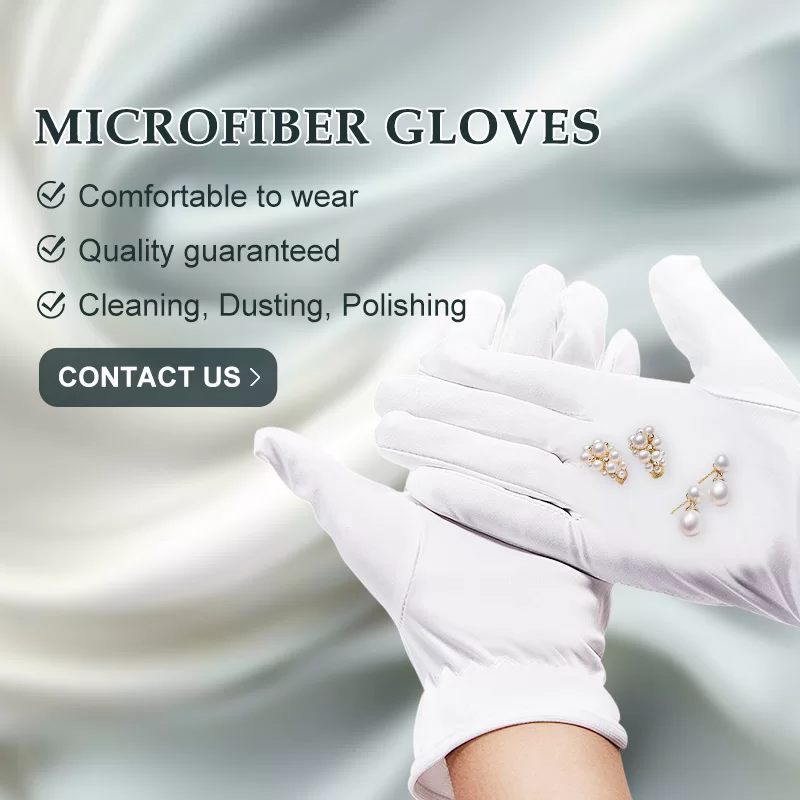
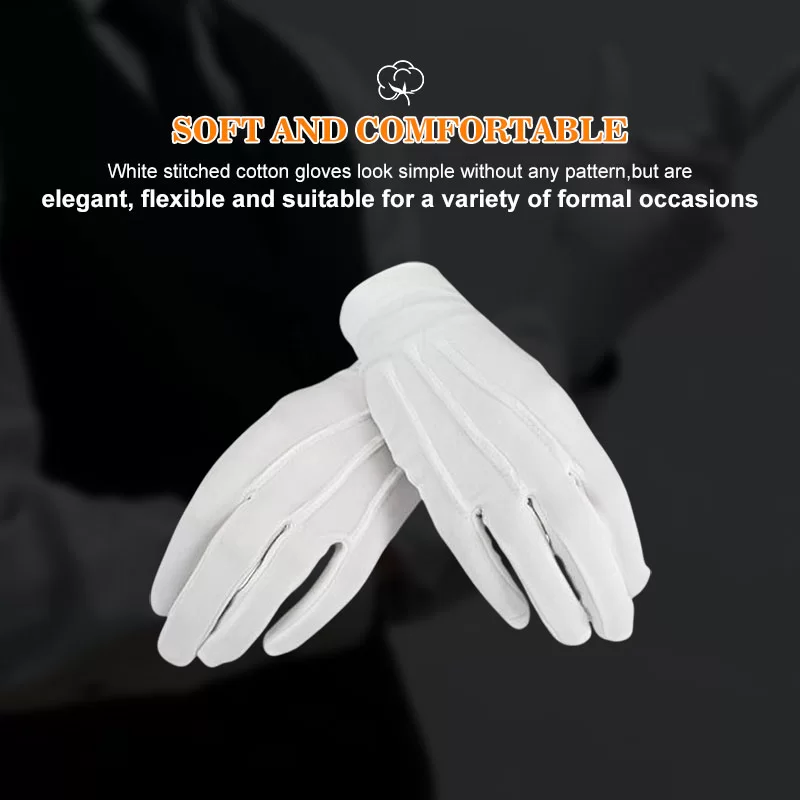
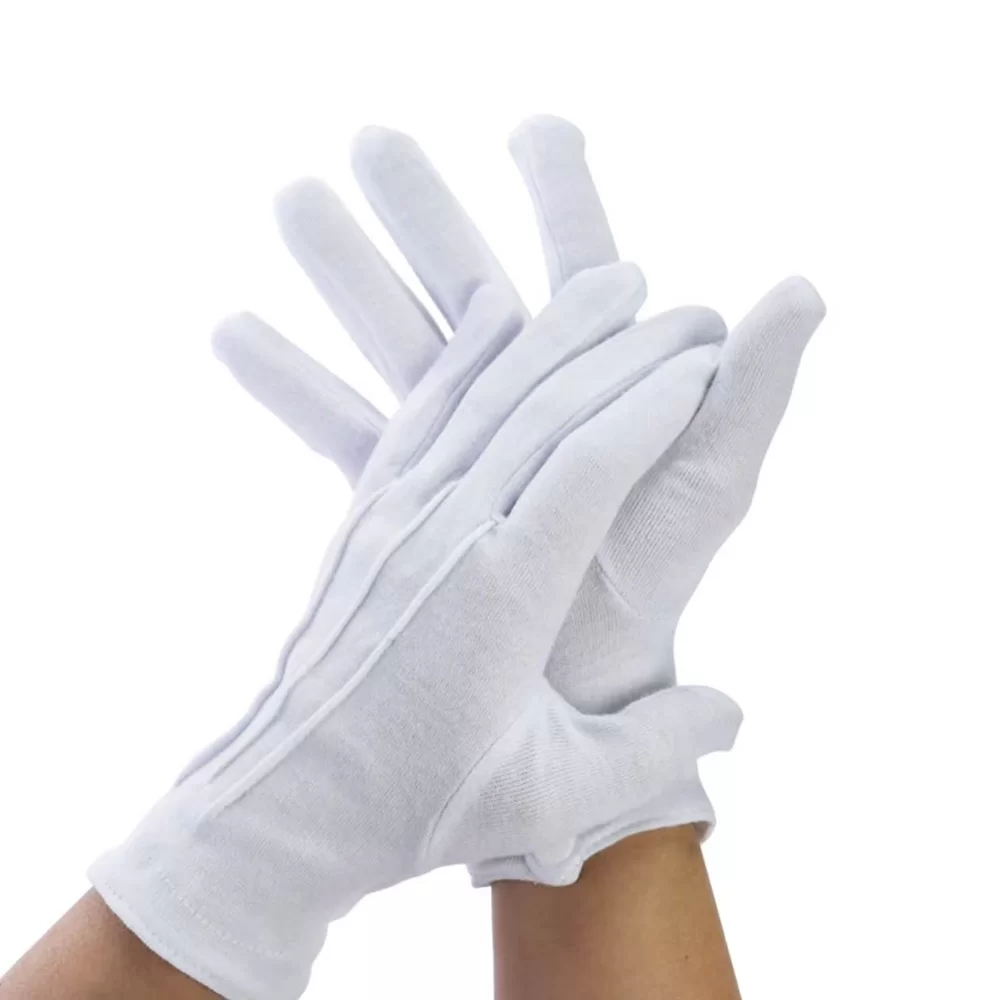
Put simply, a dusting mitten is a glove-like tool crafted from microfiber, cotton, or synthetic yarn designed to attract and hold dust particles. You slip your hand in and use it to wipe surfaces—tables, shelves, electronic equipment, any dusty nook. The material’s texture generates static cling and capillary action to catch dust effectively.
But there’s more to it than a clever cleaning accessory. In modern industries — think manufacturing plants, clean rooms, or even remote humanitarian relief camps — dusting mittens provide a quick, convenient method to maintain hygiene standards without complicated equipment. It’s a simple product that aligns perfectly with modern values of convenience, health, and sustainability.
Key Components That Make a Dusting Mitten Work
1. Material Choice
Good dusting mittens use microfiber blends because the tiny fibers create a large surface area with electrostatic properties. This design traps dust better than typical cloths. More traditional cotton mittens can also work but aren’t as efficient or easy to wash.
2. Durability and Washability
Since these mittens are often reused, they need to withstand multiple machine washes without losing grip or shape. Durable stitching and fade-resistant materials prolong their lifetime, offering better value than disposable wipes.
3. Size and Fit
Comfort is surprisingly important. A loose fit makes cleaning awkward, so mittens usually have elastic cuffs or form-fitted shapes. Ergonomic design minimizes hand fatigue during prolonged use, which is critical in commercial or industrial settings.
4. Environmental Sustainability
Increasingly, manufacturers are exploring biodegradable fibers or recycled materials as part of their production. Some dusting mittens come from post-consumer plastic waste, which ticks both ecological and marketing boxes.
5. Cost Efficiency
Compared to single-use dust cloths or chemical sprays, a dusting mitten is an upfront investment with lasting returns. It also sidesteps issues like airborne irritants from chemical cleaners.
Mini takeaway: It’s a curious blend of design, material science, and ergonomics, all wrapped into a product that feels humble but performs essential tasks reliably.
Real-World Uses: Dusting Mittens Around the Globe
Dusting mittens aren’t only popular in home cleaning aisles. They find a surprising variety of roles across the world:
- Healthcare facilities: Maintaining sterile environments with minimal chemical cleaners.
- Industrial zones: Quick cleanups around machinery to prevent dust buildup affecting equipment lifespan.
- Post-disaster relief: Field workers use them when access to water and cleaning products is scarce, aiding sanitation efforts.
- Schools and offices: Daily dusting routines promote healthier indoor air quality for occupants.
- Green hotels and eco resorts: Part of their commitment to sustainable, chemical-free cleaning.
For instance, in parts of Southeast Asia where fine particulate matter from urban pollution is high, dusting mittens help workers control indoor dust accumulation without generating additional waste. Similarly, some NGOs supply dusting mittens as part of hygiene kits in vulnerable refugee camps.
Mini takeaway: The dusting mitten adapts well to diverse settings because of its simplicity, ease of use, and environmental benefit.
Key Advantages & Long-Term Benefits
It’s worth saying again: dusting mittens save more than just time. Some of their core benefits include:
- Lower chemical use: Reduces health risks from exposure to cleaning solvents.
- Waste reduction: Reusable versus disposable wipes or paper towels.
- Cost-effective: Long-lasting, easy to launder.
- Enhanced cleanliness: Efficiently traps dust, improving air quality and surface hygiene.
- Improved ergonomics: Comfortable, reduces strain compared with traditional cloth dusting.
Emotionally, the dusting mitten fosters trust—it’s reliable, simple, and consistent. People feel safer breathing cleaner air and appreciate tools that don’t harm the environment while doing so. Oddly enough, sometimes it's these straightforward solutions that win hearts faster than high-tech gadgets.
Dusting Mitten Specifications at a Glance
| Specification | Details |
|---|---|
| Material | Microfiber blend (polyester & polyamide) |
| Dimensions | Approx. 25cm x 15cm (one size fits most) |
| Weight | 35 grams |
| Fit type | Elastic cuff with stretch fabric |
| Care | Machine washable up to 60°C, tumble dry low |
| Expected lifespan | 6-12 months with regular use |
Comparing Top Dusting Mitten Vendors
| Vendor | Material Quality | Sustainability | Price (per unit) | Delivery Options |
|---|---|---|---|---|
| HMD Glove | Premium microfiber | Recycled fibers option | $3.50 | Global shipping, bulk discount |
| EcoClean Supplies | Standard microfiber | Biodegradable fibers | $3.00 | North America only |
| CleanPro Tech | High-density polyester | No sustainability focus | $2.75 | Worldwide standard delivery |
Looking Ahead: Innovation and Sustainability in Dusting Mittens
The future for dusting mittens looks bright, partly because the industry is listening to environmental concerns and incorporating new materials—think bio-based fibers and advanced synthetic blends reducing microplastic shedding. Innovations like embedded antimicrobial threads are also gaining traction, a boon in clinical or food-related environments.
Digitally, some companies are exploring smart dusters connected with IoT sensors that monitor air quality or remind users when washing is due. Admittedly, this sounds a bit fancy, but it illustrates how even simple cleaning tools don’t have to stay stuck in the past. Meanwhile, governments and organizations are increasingly setting standards for indoor air quality and reusable product certifications, pushing dusting mittens into broader compliance and adoption.
Challenges and Practical Solutions
Of course, dusting mittens aren’t perfect. Some users complain about:
- Difficulty removing heavy grime versus just dust
- Loss of dust-catching efficiency after multiple washes
- Fit issues causing frustration
- Market confusion with cheap imitations
But these aren’t dealbreakers. Manufacturers recommend pairing mittens with occasional cleaning sprays for sticky dirt, proper washing methods (warm water, mild detergent), and sizing options to suit different users. Educating customers about quality differences also helps reduce disappointment.
FAQ: Common questions answered
Q1: How does a dusting mitten work better than a traditional dust cloth?
A dusting mitten fits snugly on your hand and contains microfiber that creates electrostatic charges, attracting dust rather than just pushing it around. This means it traps more particles, reducing airborne dust and allergens.
Q2: Can dusting mittens be used on electronics?
Yes, especially microfiber mittens are gentle and effective on screens, keyboards, and delicate surfaces. They reduce static buildup compared to some cloths, preventing damage.
Q3: How often should I wash my dusting mitten?
Depending on usage, washing every 2-4 weeks or when visibly dirty is advisable. Follow manufacturer instructions — usually machine wash up to 60°C and air or tumble dry on low.
Q4: Are dusting mittens environmentally friendly?
Most microfiber mittens are reusable and reduce disposable waste compared to wipes and paper towels. Look for products incorporating recycled or biodegradable fibers for better sustainability.
Q5: Can dusting mittens help allergy sufferers?
Absolutely. They trap dust and allergens more effectively than dry cloths, helping reduce indoor triggers when used regularly.
Summary & Final Thoughts
Dusting mittens may seem like a small piece in the puzzle of global health, sustainability, and hygiene, but their impact quietly spreads wider than you might guess. They reduce chemical use, lower waste, and promote cleaner, healthier indoor environments with minimal fuss. Whether it’s big industrial sites or cozy homes, this glove-slot convenience improves lives one dust particle at a time.
Curious to explore high-quality dusting mittens yourself? Visit our website: dusting mitten to discover tailored solutions for every environment.
References: