Durable Non Latex Kitchen Gloves for Industrial Use
Non Latex Kitchen Gloves: A Practical Choice for Industrial Kitchens
Having spent well over a decade working with industrial kitchen operations, I can tell you this—choosing the right gloves isn't just about ticking a box on a safety checklist. It’s about finding a balance between protection, comfort, and sometimes, even a little bit of style (okay, maybe style is secondary). But when it comes to non latex kitchen gloves, there’s more than meets the eye.
Why Non Latex Gloves Are Gaining Momentum in Industrial Use
Latex allergies have practically become common knowledge now. Yet, oddly enough, some kitchens and food processing plants have clung to latex gloves longer than you'd expect. The shift towards non latex gloves isn’t just a trend—it’s a necessity for many. From creameries to massive catering kitchens, these gloves offer safer handling without the risk of allergic reactions. And frankly, that's a win for everyone.
Besides allergy concerns, non latex gloves frequently boast better chemical resistance — think about those harsh cleaning agents those kitchens rely on day in, day out. In real terms, that means durability and less frequent glove changes. Someone once told me that switching to non latex gloves cut their glove usage nearly in half — less waste, fewer interruptions, and healthier hands.
What to Look for in Non Latex Kitchen Gloves
It can get a bit overwhelming with all the material options available: nitrile, neoprene, vinyl, and more. Each has its perks, but for kitchen work, a few specs really matter:
- Material: Nitrile tends to be the go-to, thanks to its excellent puncture resistance and tactile feel.
- Thickness: There's a fine line between too flimsy and cumbersome. Roughly 4-6 mil thickness strikes a good balance.
- Grip: Textured surfaces, especially on fingertips, help keep slippery items in check.
- Powder-free: This avoids contamination and irritation.
In one kitchen I worked with, they experimented with different gloves over a couple of months. The staff ended up opting primarily for nitrile because it felt comfortable during long shifts without sacrificing protection. Plus, I suppose feeling like you have a “second skin” helps when you’re sorting hundreds of veggies or filleting fish all day long.
Product Specifications at a Glance
| Specification | Detail |
|---|---|
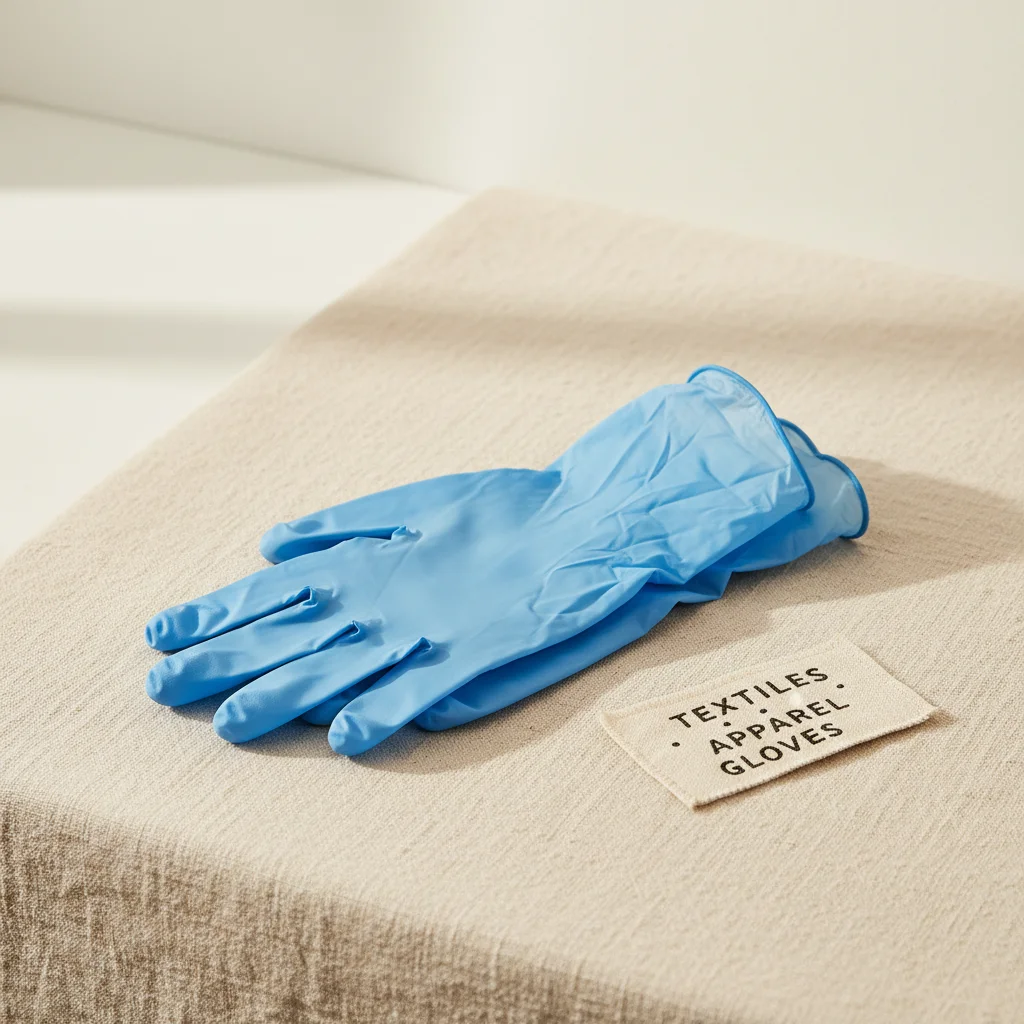
| Material | Nitrile (non latex) |
| Thickness | 4 - 5 mil (approx. 0.1 - 0.13 mm) |
| Color | Blue, Black, White |
| Powder | Powder-free |
| Surface | Textured fingertips for grip |
| Sizes Available | S, M, L, XL |
| Shelf Life | 3 years (unopened) |
Comparing Top Vendor Offerings
Now, the market doesn’t shortage quality suppliers, but nailing down specifics and trustworthiness—well, that takes experience. Here’s a snapshot comparing a few vendors I’ve found reliable over the years:
| Vendor | Material | Price per Box | Certifications | Customization |
|---|---|---|---|---|
| HMD Glove | Nitrile | $18 (100 pcs) | FDA, ISO 9001 | Logo printing, color options |
| SafeHands Co. | Vinyl | $15 (100 pcs) | FDA Compliant | Limited |
| ProGear Inc. | Neoprene | $22 (100 pcs) | CE, ISO 13485 | Full custom orders |
Final Thoughts: The Real Deal with Non Latex Kitchen Gloves
Working in industrial kitchens often means putting gloves through all sorts of abuse — quick changes, exposure to heat, cold, and nasty spills. Non latex kitchen gloves have been a reliable companion on countless shifts. They’re simple, effective, and in many cases, safer than the alternatives.
I remember one kitchen where an employee’s latex allergy caused a sudden switch. Instead of business-as-usual panic, they updated to nitrile gloves, and productivity didn’t just survive — it steadied. So if you’re still uncertain, maybe it’s time to rethink the gloves you trust daily.
Until next time, keep those hands safe and the kitchen running.
References:
1. Industrial Kitchen Safety Protocols, 2023
2. HMD Glove Product Manuals, 2024
3. Interviews with Food Industry Safety Experts, 2022