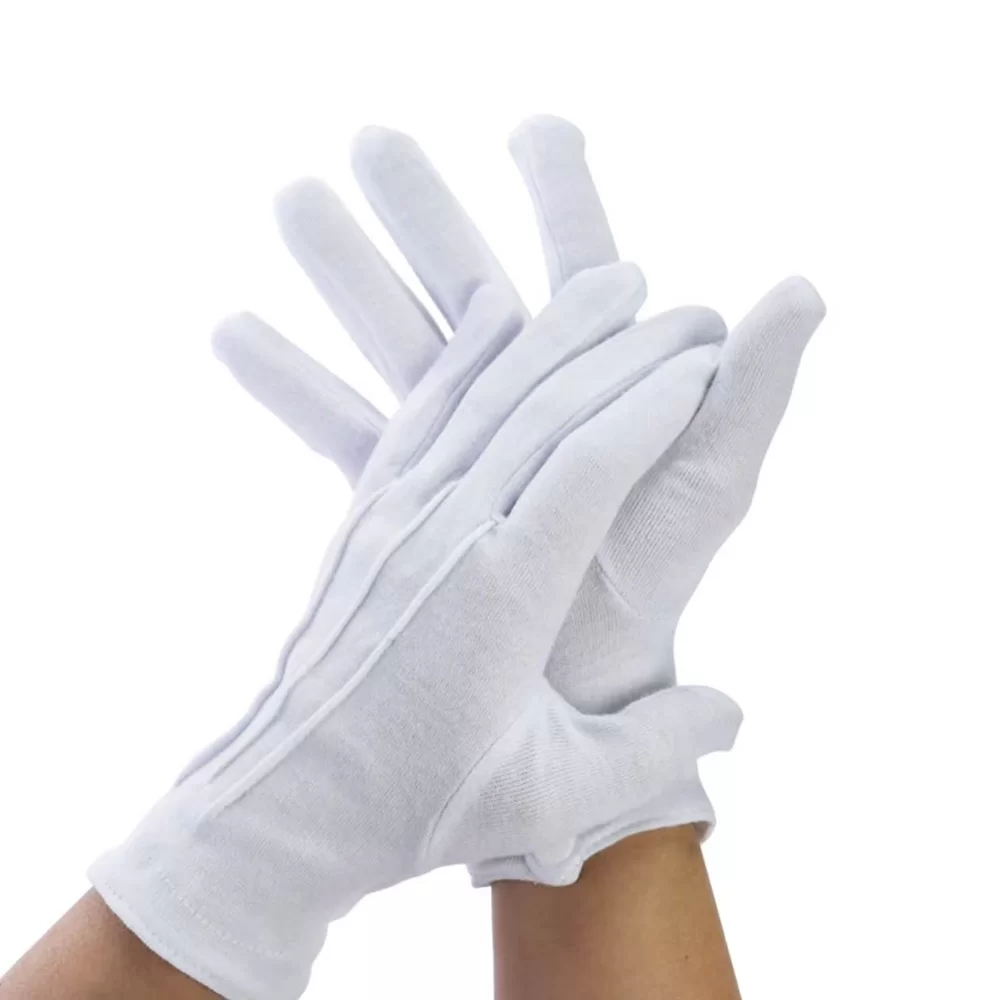
Discover the Essential Benefits and Global Impact of Clean Grip Gloves
The Subtle Power of Clean Grip Gloves: Why They Matter Worldwide
At first glance, the humble clean grip glove might seem like just another piece of personal protective equipment (PPE). But scratch beneath the surface, and you discover a product playing a quietly vital role across industries and regions, from sterile hospital corridors to heavy-duty industrial plants. Understanding clean grip gloves means tapping into solutions that safeguard workers, increase operational efficiency, and even address humanitarian crises.
Why does this matter globally? According to the International Labour Organization (ILO), workplace accidents and contamination risks cost economies billions annually. Tools like clean grip gloves are frontline defenses. As industries modernize and safety standards climb, knowing the benefits and uses of these gloves isn’t just niche knowledge—it’s part of a smarter, safer global workforce.
Global Context: The Rising Need for Clean Grip Gloves
Clean grip gloves sit at a crossroads of commerce, health, and safety worldwide. The World Bank estimates that industrial output in developing countries is expected to grow by 5-7% annually, which inevitably means more personnel working in potentially hazardous environments. Furthermore, the World Health Organization (WHO) highlights that hand contamination is a key vector for hospital infections, making clean grip gloves essential in medical settings.
Yet, there’s a challenge. Despite rising need, the glove market is often undersupplied in remote or resource-strapped regions, while quality and durability vary wildly. It’s a gap that clean grip gloves aim to fill by delivering reliable grip, hygiene, and protection with minimal fuss.
What Are Clean Grip Gloves, Exactly?
Simply put, clean grip gloves are specialized hand coverings designed to combine cleanliness with the ability to hold onto tools, equipment, or materials firmly. Unlike everyday gloves, they deliver both hygienic protection and enhanced traction, thanks to their unique surface textures and coatings.
They bridge the gap between sterile environments—think healthcare or food processing—and industrial settings requiring sure footing on slippery surfaces or oily parts. So whether it’s a nurse handling sterile instruments or a mechanic tightening a bolt coated in grease, these gloves prevent mishaps at both microscopic and mechanical levels.
Key Factors That Define Clean Grip Gloves
1. Durability
Durability is crucial. Many engineers I spoke with stress that disposable gloves often rip or lose grip too quickly. Clean grip gloves are designed with reinforced materials like nitrile or neoprene blends that last longer under strain.
2. Grip Technology
A defining trait is their surface coating—be it micro-textured palms or specialized polymers—that offers a balance between tackiness and smoothness. This means objects don’t slip away, even if your hands get sweaty or oily.
3. Hygiene & Safety Standards
Clean grip gloves commonly meet stringent norms such as ISO 18889 for protective gloves, ensuring they block contaminants while allowing breathability. This makes them perfect where infection control and chemical resistance are important.
4. Comfort & Dexterity
Wearing anything on your hands all day? Not fun unless it fits well. Modern clean grip gloves often come in ergonomic shapes and thinner designs that don’t compromise on tactile feedback or flexibility. This improves productivity and reduces fatigue.
5. Cost Efficiency
Although they cost a bit more upfront than basic latex gloves, many businesses report savings from fewer accidents, less glove turnover, and better workflow. It’s a classic example of spending smarter, not just less.
Mini-Takeaway:
Clean grip gloves combine durability, grip technology, safety, comfort, and cost-effectiveness to tackle practical work challenges — a package that’s oddly greater than the sum of its parts.
Real-World Applications of Clean Grip Gloves
Their versatility is fascinating. In hospitals, gloves with antimicrobial coatings help reduce cross-infections. In manufacturing plants across Asia and Europe, clean grip gloves enable workers to handle shiny steel, complex circuit boards, or slippery parts without mishaps. Even humanitarian NGOs value these gloves for disaster relief — when quick, hygienic protection is needed anywhere from flood zones to refugee camps.
For instance, a medical NGO recently credited clean grip gloves for enabling their teams to perform triage effectively in remote African clinics, where clean water and sanitation are scarce but risks are high. Meanwhile, in the oil sector's sprawling rigs off the coast of Brazil, gripping tools safely despite slippery conditions is mission-critical.
Mini-Takeaway:
Clean grip gloves prove their worth in health, manufacturing, humanitarian aid, and beyond — adaptable, reliable, and essential wherever people work with their hands.
Advantages and Long-Term Benefits
- Cost Savings: Minimizing accidents and glove waste pays off.
- Sustainability: Some gloves are now made from biodegradable materials or recycled polymers, aligning with global green goals.
- Worker Confidence: Knowing you’ve got the right glove boosts morale and reduces error-induced stress.
- Social Impact: In public health, better gloves mean fewer infections and saved lives.
- Innovation Trust: Forward-thinking companies adopting higher standards project modernity and responsibility.
Mini-Takeaway:
Long-term, investing in clean grip gloves isn’t merely about protection — it’s about promoting sustainable, trustworthy, and efficient workplaces.
Upcoming Trends and Innovations in Clean Grip Gloves
The future feels exciting. Materials science is pushing limits, introducing gloves infused with nanotechnologies for self-cleaning or embedded sensors measuring hand pressure and wear. Green initiatives are driving bio-based latex and waterless manufacturing processes. Meanwhile, automation and robotics integration prompts the need for gloves that work alongside machines, providing feedback or enhancing safety.
Furthermore, regulatory agencies globally are tightening glove standards, which encourages manufacturers to innovate in performance and environmental footprint.
Common Challenges and How Industry is Overcoming Them
Yet, no product is perfect. Sizing inconsistencies, limited supply chains, and concerns over allergies to latex remain issues. To solve this, companies are expanding diverse product lines—non-latex options, modular sizing, and regional distribution partnerships are helping fill gaps. Some innovators are trialing reusable clean grip gloves with advanced sterilization methods, cutting waste and costs.
Mini-Takeaway:
Challenges spur solutions, and clean grip gloves are evolving rapidly — both in technology and accessibility.
Frequently Asked Questions About Clean Grip Gloves
- What makes clean grip gloves different from regular disposable gloves?
- They combine hygienic barriers with enhanced grip surfaces and better durability, making them suitable for demanding tasks where slippage or contamination is a concern.
- Are clean grip gloves suitable for food handling?
- Yes, many meet food safety standards like FDA or EU regulations, ensuring they don’t contaminate food and provide reliable grip in slippery environments.
- How long can I wear clean grip gloves before replacing them?
- It varies by use and material, but generally they last longer than basic gloves. Always replace them immediately if torn, contaminated, or after tasks requiring sterility.
- Can these gloves help reduce workplace injuries?
- Absolutely. Better grip prevents slips and drops, which are common causes of accidents. Combined with durability, they help decrease incidents significantly.
- Are clean grip gloves environmentally friendly?
- Increasingly so. New bio-based and reusable options are on the market, aligning glove use with sustainability goals.
Clean Grip Gloves Product Specification
| Specification | Description |
|---|---|
| Material | Nitrile with micro-textured palm coating |
| Sizes Available | Small, Medium, Large, XL |
| Thickness | 0.15 mm (approx.) |
| Compliance | ISO 18889, FDA Food Contact Safe |
| Shelf Life | 3 years in original packaging |
| Environmental Feature | Biodegradable coating, recyclable packaging |
Vendor Comparison: Top Clean Grip Gloves Suppliers
| Vendor | Range | Price Range (per 100pcs) | Lead Time | Sustainability |
|---|---|---|---|---|
| GloveMaster Co. | Medical & Industrial | $35 - $45 | 2 weeks | Partial biodegradable |
| EcoGlove Solutions | Eco-Line, Food Safe | $40 - $55 | 3 weeks | Fully biodegradable & compostable |
| GripPro Ltd. | Heavy Duty, Chemical Resistant | $38 - $50 | 1 week | Recyclable packaging only |
Wrapping Up: Why Clean Grip Gloves Are a Smart Choice
In the end, clean grip gloves might not get all the spotlight—but they certainly deserve it. They tackle everyday risks with clever tech and thoughtful design, yielding safer, greener, and more efficient workplaces. If you’re safeguarding a team or improving workflows, clean grip gloves are an easy yet impactful upgrade.
Take a moment, consider their global relevance, and maybe invest in a supply for your next project or operation. Because when safety meets performance in something as simple as a glove, that’s a win worth wearing.