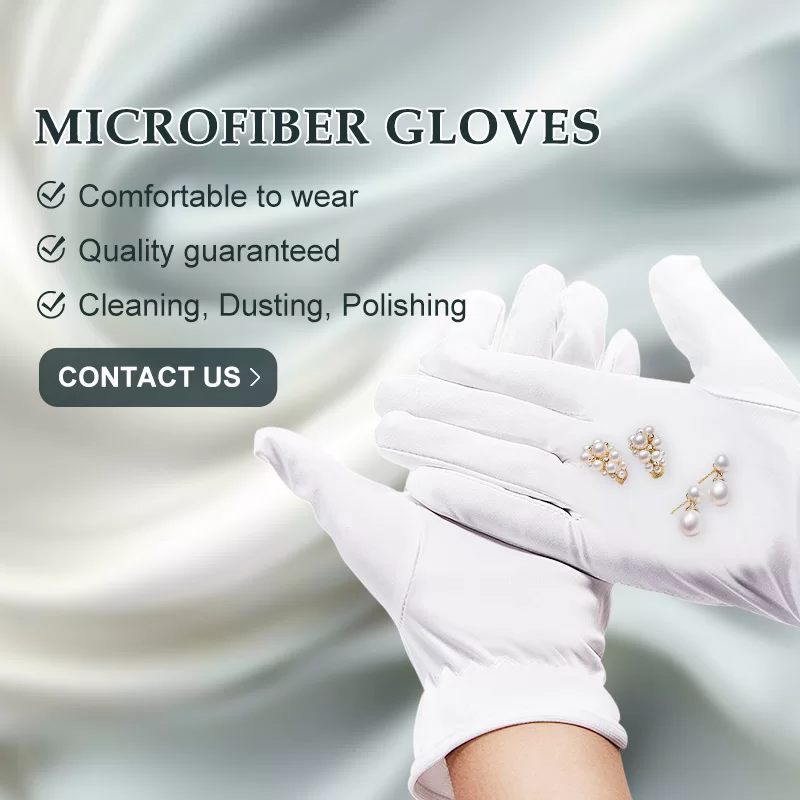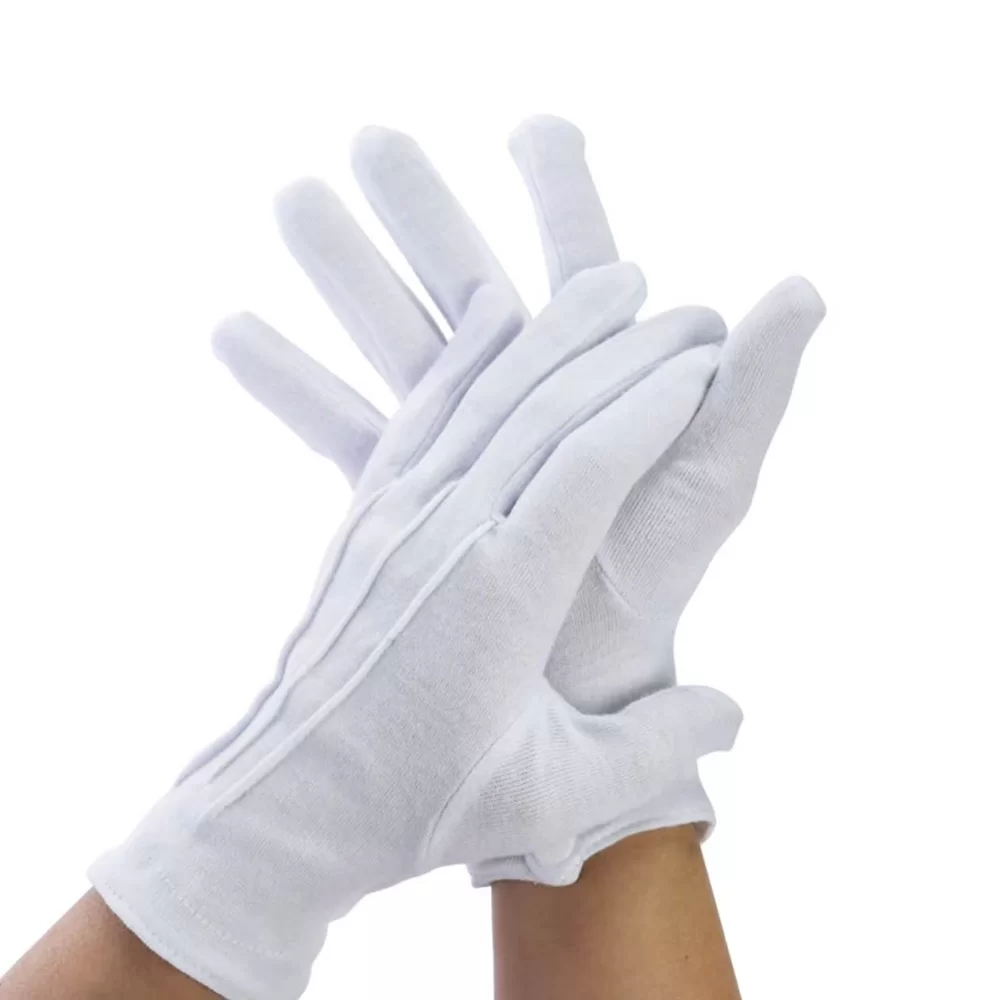
Cleaning Sponge Gloves: Innovative Solutions for Industry & Health
Cleaning Sponge Gloves: Why They Matter More Than You Think
It’s funny how something as simple as a glove can quietly revolutionize the way we tackle cleanliness — whether in busy hospitals, sprawling industries, or everyday homes. Cleaning sponge gloves might sound niche, but on a global scale, their impact is undeniable. These innovative tools blend convenience with hygiene, making routine cleaning less of a chore and more effective. From controlling infection spread to saving time and resources, understanding these gloves unlocks benefits across health, environment, and the economy.
The Global Scene: Why Cleaning Sponge Gloves Are Gaining Traction
In the last decade, hygiene standards and cleaning technologies have been pushed into the spotlight by global events — pandemic outbreaks, stricter health regulations set by bodies like ISO, and the relentless demand for efficiency in industries. According to the World Health Organization, healthcare-associated infections affect millions each year, many preventable through improved cleaning protocols. That’s where cleaning sponge gloves come in, reducing direct hand contact and improving scrubbing efficiency.
Not only hospitals but food processing plants, hotel chains, and emergency relief organizations have ramped up their hygiene gear standards. The global cleaning tools market was valued roughly at $12 billion in 2022, with eco-friendly and ergonomic gloves registering the fastest growth. The challenge? Bridging industrial hygiene needs with environmental responsibility — which these specialized gloves strive to do.
Mini Takeaway:
- Cleaning sponge gloves answer modern hygiene challenges globally.
- They reduce contamination risks and improve cleaning productivity.
- Industry demand is booming alongside stricter health regulations.
What Exactly Are Cleaning Sponge Gloves?
Put simply, cleaning sponge gloves are gloves integrated with sponge or foam-like cleaning material on their fingers or palms. This hybrid design lets users literally scrub, wipe, rinse — all while wearing a protective glove. It’s like merging a sponge’s absorbency with a glove’s protection. Usually made from latex, nitrile, or silicone materials, they offer flexibility, durability, and a hygienic barrier.
You might spot these gloves in environments where hands-on cleaning can’t be compromised but where conventional sponges or cloths just won’t cut it. For example, post-disaster relief teams need gear that’s portable, quick to use, and hygienic — a far cry from lugging around buckets and sponges. They also help reduce cross-contamination risks in sensitive settings.
Mini Takeaway:
- Cleaning sponge gloves combine protective gloves with embedded cleaning materials.
- They enable touch-sensitive cleaning with hygiene and efficiency.
- Useful for a wide range of settings — from medical to industrial.
Key Features That Make Cleaning Sponge Gloves Tick
1. Durability
A good glove needs to take a beating: scrubbing rough surfaces, exposure to chemicals, and frequent washing. Many models feature reinforced nitrile or latex with sponge layers bonded firmly to resist tearing. This means one pair can last several cleaning cycles, cutting waste and cost.
2. Absorbency and Scrubbing Power
The embedded sponge isn’t just a soft pad — it’s designed to hold cleaning agents and water while providing an abrasive surface for scrubbing off dirt and grime. Some gloves have microfibers woven into the sponge, making them especially good for grease or sticky residues.
3. Fit & Dexterity
Wearers must have fingertip control, so gloves come in various sizes and often feature ergonomic designs. The flexibility means cleaning delicate equipment or hard-to-reach places becomes less of a frustration.
4. Chemical Resistance
Depending on the industry, cleaning gloves need to resist different chemicals (detergents, disinfectants, oils). Many cleaning sponge gloves are tested and certified (sometimes to ISO standards) to ensure they don’t degrade or risk user safety.
5. Eco-Friendly Materials
Increasingly, there’s focus on biodegradable or recyclable components. Gloves made partly from natural sponges or plant-based polymers answer consumer demand for sustainable cleaning solutions.
| Specification | Typical Values |
|---|---|
| Material | Nitrile + polyurethane sponge |
| Thickness | 0.35 mm (glove base) |
| Sponge Density | 30–50 kg/m³ |
| Chemical Resistance | Strong against detergents and alcohols |
| Sizes Available | S, M, L, XL |
| Use Case | Industrial & home cleaning, medical support |
Mini Takeaway:
- Durability and chemical resistance ensure gloves last longer and protect better.
- Embedded sponge designs improve scrubbing efficiently while keeping hands safe.
- Fit and sustainability are growing priorities.
Where in the World Are These Gloves Making a Difference?
Oddly enough, cleaning sponge gloves have found their way into very diverse sectors across continents. In Europe and North America, hospitals and biotech labs swear by them to minimize contamination risk. In Asia's booming manufacturing hubs, they're part of worker hygiene kits — cutting down on skin irritation and improving cleaning output. In Africa and parts of South America, NGOs distribute such gloves to communities affected by waterborne diseases, where clean water and hygiene resources are scarce.
Consider the aftermath of floods in Southeast Asia: relief workers use these gloves for fast, safe cleaning while handling debris and disinfected areas. Or how cleaning crews in remote mining regions rely on them to scrub equipment efficiently without access to washing stations. The gloves aren’t just tools — they’re trust-builders in sensitive relief and industrial environments.
Mini Takeaway:
- Cleaning sponge gloves serve healthcare, industrial, humanitarian sectors globally.
- They help in disaster management, manufacturing hygiene, and developing world initiatives.
- Their portability and multifunctionality aid crises and daily operations alike.
Advantages That Keep These Gloves in Demand
On a practical level, the benefits are straightforward:
- Cost savings: Longer-lasting gloves and less cleaning time = less labor and less waste.
- Sustainability: Recyclable or biodegradable materials reduce environmental footprints.
- Safety: Minimized hand contact cuts down infection risks and skin irritation.
- Innovation: New materials promise even better scrubbing and durability.
There’s an emotional aspect too — when you know your cleaning staff or emergency teams don’t have to suffer with raw, irritated hands or dodgy supplies, you’re building morale. Trust in workplace hygiene feels less like a chore and more like care.
Looking Ahead: What’s Next for Cleaning Sponge Gloves?
Interestingly, the future looks greener and smarter. Research into bio-based polymers and natural sea sponges is bridging the gap between performance and eco-friendliness. Plus, some manufacturers are embedding sensors to detect contaminants or wear level — a move towards “smart gloves.” Automated cleaning robots, too, might use sponge glove tech for finer, human-like cleaning motions.
Policies from the UN Environment Programme pushing for sustainable industrial products mean manufacturers are under pressure to innovate responsibly. I suppose the dream is gloves that clean better, last longer, biodegrade when done, and maybe even help monitor safety in real time.
Challenges and How Experts Are Meeting Them
Not everything is rosy, though. Some gloves still struggle with balance — too thick means clumsy dexterity; too thin means vulnerability. Compatibility with varied cleaning chemicals also demands rigorous testing. And cost remains a hurdle for large-scale deployment in low-income areas.
Luckily, advanced materials science and closer collaboration with hygiene experts are charting solutions. Modular glove designs that allow sponge patches to be replaced, or hybrid materials that resist harsh chemicals while staying flexible, are in early release phases. Plus, NGOs are learning to bulk-procure and customize kits for local needs, making adoption smoother.
FAQ: Your Cleaning Sponge Gloves Queries Answered
- Q: How are cleaning sponge gloves better than regular gloves and sponges?
- A: They combine protection and cleaning efficiency in one tool, reducing cross-contamination and saving time by eliminating the need to juggle separate sponges and gloves.
- Q: Can I use these gloves with harsh cleaning chemicals?
- A: Many models are designed to resist common detergents and disinfectants, but always check the manufacturer’s chemical resistance specs before use.
- Q: Are cleaning sponge gloves reusable or disposable?
- A: Most are reusable and designed for multiple uses to reduce waste, though some lightweight types are disposable for medical or sensitive applications.
- Q: What sizes are available and how should the gloves fit?
- A: Typically available from small to extra large, gloves should fit snugly without restricting finger movement to ensure usability and comfort.
- Q: Where can I buy specialty cleaning sponge gloves?
- A: Specialized suppliers and hygiene product vendors offer them globally; you can also explore options via cleaning sponge gloves for reliable sourcing.
Vendor Comparison: Who Makes the Best Cleaning Sponge Gloves?
| Vendor | Material | Durability (avg. cycles) | Eco Certification | Price Range (per pair) |
|---|---|---|---|---|
| HMD Glove | Nitrile + PU Sponge | 50-70 | ISO14001 | $5 - $8 |
| CleanForce | Latex + Synthetic Sponge | 35-50 | None | $4 - $6 |
| EcoScrub | Natural Plant-Based Sponge | 40-60 | OEKO-TEX, FSC | $7 - $9 |
Final Thoughts: The Cleaning Gloves Revolution Is Here
All things considered, cleaning sponge gloves might not make headlines, but they quietly improve hygiene standards and user experiences worldwide. Their mix of protection, efficiency, and growing sustainability makes them ideal for the evolving demands of cleaning across industries and regions. Whether you’re running a hospital ward, coordinating relief efforts, or simply upgrading your cleaning routine at home, these gloves offer a clever, practical solution.
Want to explore top-quality cleaning sponge gloves yourself? Visit https://www.hmdglove.com for a variety of models designed with durability, comfort, and innovation in mind.