Jul 01, 2025 Nov 28 , 2025
Clean Room Vinyl Gloves – Essential Protection for Sterile Environments | HMD Glove Co.
Understanding Clean Room Vinyl Gloves: Why They Matter Globally
If you’ve ever wondered how industries maintain absolute cleanliness when producing medicines or microchips, clean room vinyl gloves are a big part of that story. These specialized gloves are designed not just to protect workers’ hands but to keep environments absolutely free of contaminants. In a globalized world where production hygiene can impact everything from life-saving medical devices to space exploration, understanding these gloves isn’t just for the experts. The key benefits? Protection against contamination, compliance with strict international standards, and cost-efficient manufacturing processes that rely on precision. Plus, for industries increasingly pressured to stay eco-conscious and reduce waste, the right glove choice makes a surprising long-term impact.The Global Context: Why Clean Room Vinyl Gloves Are Essential Today
Across continents and industries, the demand for contamination-free manufacturing grows exponentially. According to the International Organization for Standardization (ISO), over 60% of all manufacturing environments require some form of clean room protocols to maintain product integrity. The global market for vinyl gloves — especially those made for clean rooms — is projected to top billions of dollars by 2027. From semiconductor factories in Taiwan and South Korea to pharmaceutical labs in Europe and North America, these gloves are vital. But the challenge remains: How do you balance sterile reliability with cost efficiency, especially when supply chains face disruptions or demand spikes unexpectedly? That’s where clean room vinyl gloves come in, offering a practical balance between performance and affordability—often without the high cost of nitrile or latex variants.Mini takeaway:
Clean room vinyl gloves are not just another PPE item; they're cornerstone tools in global manufacturing and healthcare systems, bridging quality demands with economic realities.
What Exactly Are Clean Room Vinyl Gloves?
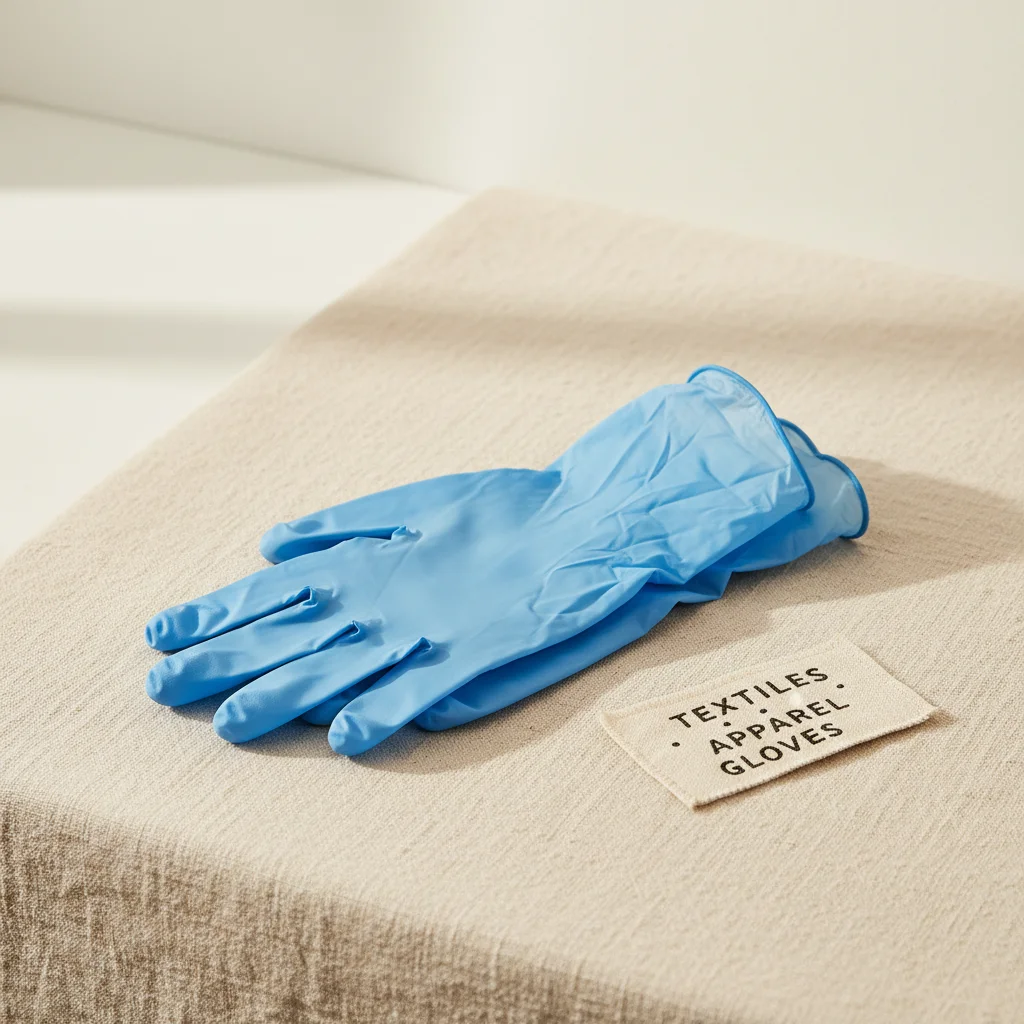
Simply put, clean room vinyl gloves are disposable gloves made from vinyl (a synthetic material, basically polyvinyl chloride or PVC) designed specifically for ultra-clean environments. Unlike regular gloves, these are manufactured and packaged under stringent conditions to minimize particulate shedding and chemical contamination. They’re non-sterile but highly clean, often thicker than basic exam gloves, offering a smooth barrier that keeps particles, microbes, and oils away from the product or sensitive surfaces. This makes them ideal for industries where touch contamination can have serious consequences, such as pharmaceutical manufacturing, electronics assembly, and food processing. Oddly enough, vinyl gloves emerged as an affordable alternative to latex when allergy issues became a concern and when nitrile gloves were still too expensive or scarce. Plus, vinyl can provide decent tactile sensitivity and flexibility — vital when operators must maintain dexterity.Mini takeaway:
Think of clean room vinyl gloves as the “quiet protectors” in precision environments, balancing safety and comfort at a reasonable price.
Core Factors That Define High-Quality Clean Room Vinyl Gloves
1. Durability and Tear Resistance
In clean rooms, gloves have to last through entire shifts without tearing or leaking. Vinyl gloves today come with enhanced polymer blends to reduce pinholes — many engineers say this is vital to ensuring product safety without frequent glove changes that disrupt workflow.2. Particle and Chemical Resistance
The gloves need to withstand exposure to mild chemicals and prevent the transfer of microscopic debris. Good clean room vinyl gloves adhere to ISO 14644-1 standards, limiting particles released into the air or surfaces.3. Comfort and Dexterity
While vinyl doesn’t stretch as much as nitrile or latex, manufacturing advances have made some gloves surprisingly flexible. This matters because operators perform delicate tasks like manipulating silicon wafers or sterile instruments — they can’t afford clunky gloves.4. Cost Efficiency
Let’s be real: disposable gloves are a recurring expense. Vinyl provides a budget-friendly option for large-scale operations that must replace gloves frequently while maintaining higher standards than basic plastic gloves.5. Compliance & Certification
Top vendors comply with FDA, ISO, and ASTM standards, ensuring gloves are tested for biocompatibility, particle shedding, and chemical resistance — not mere marketing claims.Mini takeaway:
Durability, comfort, and compliance all have to align perfectly — otherwise, the gloves might fail at a critical moment or cost more than warranted.
Clean Room Vinyl Gloves in Action: Real-World Applications
You’ll find these gloves in fascinating places. In semiconductor hubs like Silicon Valley and South Korea’s tech parks, vinyl gloves are paired with full-body clean suits for wafer fabrication. Even the tiniest particle could ruin an entire batch of microchips worth thousands, so gloves must protect the product without adding contamination risk. In pharmaceutical labs, vinyl gloves help technicians compound sterile medications and package vaccines safely. The gloves’ disposable design prevents cross-contamination between batches, a crucial factor in patient safety. Not to be overlooked are food processing plants across Europe, where high hygiene standards ensure perishables are free from surface pollutants. Here, vinyl gloves offer an affordable, hypoallergenic option to ensure worker protection and product cleanliness. Across developing countries, NGOs involved in health outreach rely on clean room vinyl gloves as cost-effective PPE during vaccine drives or sanitation projects, making global health initiatives safer and more feasible.Mini takeaway:
From silicon chips to syringe prep, these gloves quietly uphold standards that define product integrity worldwide.
A Quick Look: Product Specification Table for a Typical Clean Room Vinyl Glove
| Specification | Typical Value | Unit |
|---|---|---|
| Material | Polyvinyl Chloride (PVC) | |
| Thickness (Palm) | 4.0 - 6.0 | mil (thousandths of inch) |
| Length | 9.5 - 10.5 | inches |
| Tensile Strength | > 15 | MPa |
| Powder-Free | Yes |
Comparing Leading Vendors of Clean Room Vinyl Gloves
| Vendor | Compliance | Price Range (per box) | Standout Feature |
|---|---|---|---|
| HMD Glove Co. | ISO 14644-1, FDA | $15 - $22 | Eco-friendly material blend |
| CleanTech Supplies | ISO 9001, CE | $18 - $25 | Extra thin for better sensitivity |
| SafeHand Industries | FDA, ASTM | $14 - $20 | Powder-free and latex-free |
Why Are Clean Room Vinyl Gloves a Smart Long-Term Investment?
First, there’s the cost perspective. None of us loves spending big on disposable gear that disappears after one use, but vinyl gloves strike a sweet spot. Many factories report lowering defect rates and contamination incidents after switching to certified clean room vinyl gloves, saving more downstream costs than the gloves cost themselves. Sustainability is another angle. Though vinyl is plastic-based, some modern manufacturers include recycled components or use eco-friendlier plasticizers—cutting environmental footprints a little. Plus, product safety translates emotionally: workers feel valued in safer environments, which boosts morale and trust. Innovation in glove technology is also compelling. More companies are introducing gloves with embedded antimicrobial layers or enhanced tactile feedback for ultra-precise tasks—adding a layer of “future-ready” performance to essential protective gear.Mini takeaway:
Smart glove choices pay dividends in safety, cost-saving, and social responsibility. It’s not just PPE, it’s a strategic asset.
The Road Ahead: Trends & Innovation in Clean Room Vinyl Gloves
At the intersection of green manufacturing and digital transformation, clean room vinyl gloves are evolving. Look for:- Biodegradable materials: Efforts to reduce plastic waste are accelerating development of compostable vinyl-like gloves.
- AI-enhanced quality control: Automated scanning systems ensure every batch meets strict cleanliness standards.
- Smart glove tech: Embedded sensors that detect glove breaches or contamination in real-time.
- Global standards tightening: ISO updates that push for lower particle emissions and higher biocompatibility.
Challenges and How Industry Players Are Tackling Them
The biggest challenge? Vinyl gloves historically have had a “cheap feeling” compared to nitrile or latex—thinner, less stretchable, sometimes prone to micro-holes. Plus, disposal has environmental costs. Manufacturers counter this with:- Advanced polymer blends enhancing durability without losing flexibility.
- Powder-free production methods reducing allergen risks and surface deposits.
- Implementation of take-back or recycling programs for used gloves to cut landfill waste.
Frequently Asked Questions About Clean Room Vinyl Gloves
- 1. What makes clean room vinyl gloves different from regular vinyl gloves?
- Clean room vinyl gloves are manufactured and packaged under controlled environments to meet strict standards that limit particle shedding and chemical contamination, unlike regular vinyl gloves intended for general use.
- 2. Are clean room vinyl gloves latex-free and safe for people with allergies?
- Yes, since these gloves are made from vinyl (PVC), they are naturally latex-free and suitable for users with latex allergies, making them a safer alternative in sensitive environments.
- 3. How long can clean room vinyl gloves typically last during use?
- Depending on the task, these gloves are designed to last through a work shift without tearing. However, frequent glove changes are encouraged when contamination risk is high or glove integrity is compromised.
- 4. Can clean room vinyl gloves be used in food processing environments?
- Absolutely. Many food processing facilities choose clean room vinyl gloves due to their low particle emission and hypoallergenic properties, helping maintain hygiene without affecting food taste or safety.
- 5. Where can I find certified clean room vinyl gloves for industrial use?
- Leading suppliers like HMD Glove Co. provide certified products that comply with FDA, ISO, and ASTM standards, ensuring reliability for sensitive applications.