Clean Nitrile Gloves: Essential Protection for Global Health and Industry
Clean Nitrile Gloves: Why They Matter More Than Ever
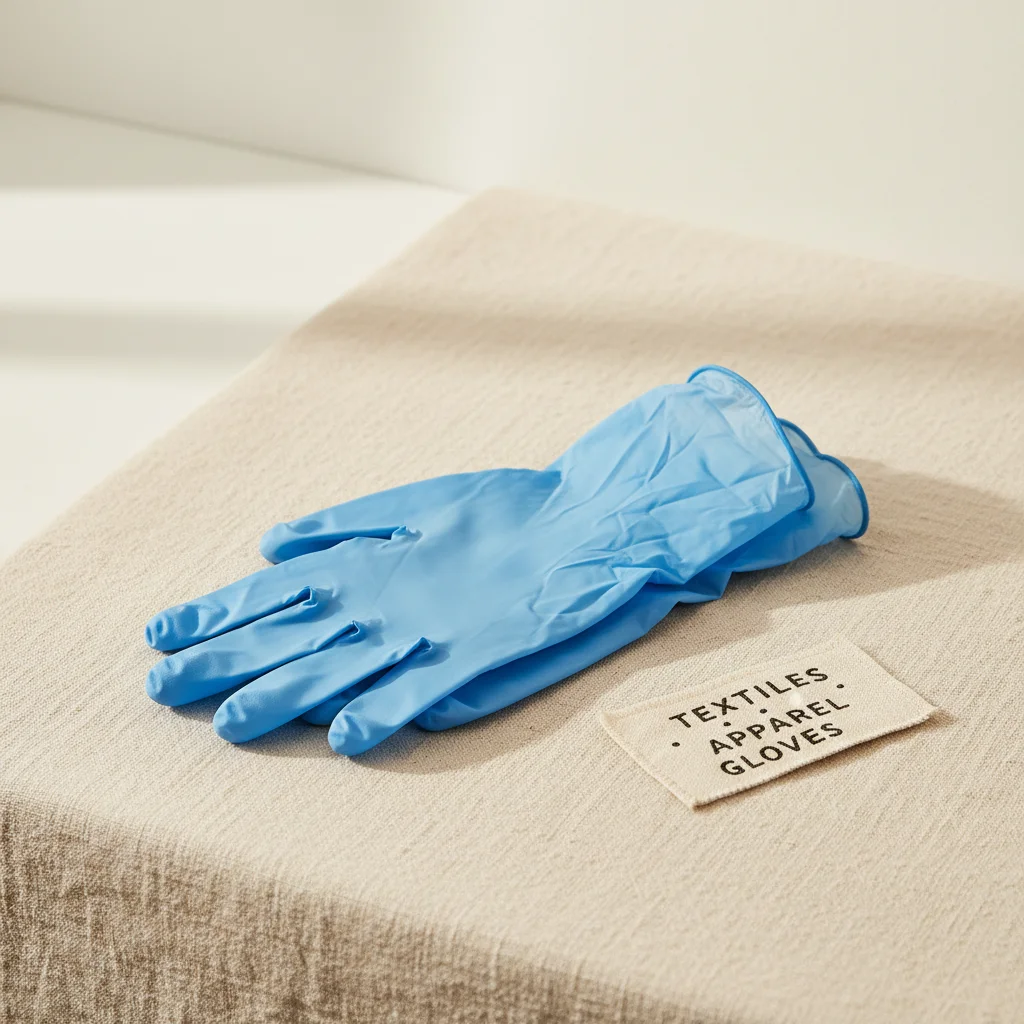
Clean nitrile gloves — you’ve probably seen the blue or purple pairs in clinics, labs, or even during your last grocery run. But have you ever paused to think about why these seemingly simple gloves have become essential on a global scale? From medical care to industrial safety and humanitarian relief, they’re playing a pivotal role in protecting millions from contamination and infection. Understanding their benefits isn’t just for glove vendors but for anyone concerned with safety, sustainability, and supply chain resilience.
The Global Pulse on Clean Nitrile Gloves
Let’s zoom out for a second. According to the World Health Organization and market data from the UN, the global disposable glove market has steadily increased, partly due to rising healthcare needs and pandemic preparedness. For example, the UN reported a surge of up to 300% in glove consumption in certain countries during health crises like COVID-19. But the challenge isn't just volume — it’s about quality, contamination risks, and supply accessibility. That’s where clean nitrile gloves come in.
They aren’t just another glove type; they address crucial concerns: preventing cross-contamination in sterile environments, offering chemical resistance for industrial workers, and meeting strict regulations for food handling. The need for these gloves spans continents and industries — from hospitals in Europe to emergency relief in southeast Asia.
Decoding Clean Nitrile Gloves: What Are They Exactly?
Put simply, clean nitrile gloves are synthetic rubber gloves manufactured under controlled conditions to ensure minimal contaminants — think dust, powder residues, or microbial agents. “Clean” means they’ve passed rigorous tests and meet standards like ISO 13485 for medical devices or ASTM for industrial use. Nitrile itself, unlike latex, is hypoallergenic and excels in chemical resistance. This combination makes these gloves the star players in sterile environments or where users face harsh substances.
Why is this important? In surgical theaters, lab testing, or delicate manufacturing processes, even the slightest impurity can jeopardize results or health. Clean nitrile gloves close that gap with reliable barrier protection.
What Makes Clean Nitrile Gloves Tick? Core Components
Durability & Strength
One key trait engineers and safety officers rave about is their puncture resistance. Nitrile gloves can endure rough handling, sharp instruments, or chemical exposure without tearing — a must for healthcare workers dealing with needles or mechanics handling oils.
Chemical & Allergen Resistance
Nitrile polymers naturally resist a wide range of chemicals. Plus, their latex-free composition helps avoid allergic reactions common with natural rubber gloves. This is a game changer in settings where sensitivity matters.
Cleanroom & Sterility Standards
The manufacturing environment removes particulates and powders, and gloves are often sterilized post-production. This level of cleanliness makes them ideal where contamination control is mission-critical — pharmaceutical factories or microelectronics assembly, for example.
Comfort & Tactile Sensitivity
It may sound trivial to some, but comfort influences compliance. If gloves feel bulky or stiff, workers might remove them prematurely. The elastic nitrile material provides snug fit and dexterity, allowing users to handle instruments or components without fumbling.
Cost Efficiency
While some high-end gloves can be pricey, clean nitrile gloves are generally affordable when factoring in durability and reduced waste from breakage or contamination. Organizations find their long-term value in fewer product failures and safer work environments.
Environmental Footprint (Emerging)
Newer lines are experimenting with biodegradable or partially bio-based nitrile materials. Sustainability efforts are gaining momentum as the demand for disposable PPE continues to grow.
Mini Takeaway: Durable, safe, and increasingly sustainable — clean nitrile gloves tick many boxes for modern industries needing dependable hand protection.
Real-World Impact: Global Applications for Clean Nitrile Gloves
It's fascinating to see how these gloves bridge vastly different worlds. Healthcare obviously tops the list. From emergency rooms in New York to rural clinics in Kenya, clean nitrile gloves protect caregivers and patients alike.
In industrial zones, think chemical plants in southern China or automotive assembly lines in Germany. Workers use these gloves not just to shield skin but to maintain product purity.
Then there’s humanitarian relief. After disasters like typhoons or earthquakes, organizations from the Red Cross to Médecins Sans Frontières rely on clean nitrile gloves to safely provide aid under challenging conditions — often in dusty, debris-filled environments.
Even food processing and conservation labs depend on them to avoid contamination during packaging or species preservation work.
Specification Snapshot: Typical Clean Nitrile Glove
| Feature | Typical Value / Range |
|---|---|
| Material | Nitrile Butadiene Rubber |
| Thickness | 3.5 to 6 mil (0.09–0.15 mm) |
| Length | 230 to 280 mm |
| Powder Content | None (Powder-free) |
| Sterilization | Gamma/Radiation or EO Sterile |
| Standards | ISO 11193, ASTM D6319 |
Choosing Your Supplier: A Quick Vendor Comparison
| Vendor | Certification | Price (per 100 gloves) | Lead Time | Eco-friendly Options |
|---|---|---|---|---|
| GlovePro Inc. | ISO 13485, FDA | $15 | 2 weeks | Yes |
| SafeHand Solutions | CE, ASTM | $12 | 1 week | No |
| EcoGuard Gloves | ISO 11193, FSC Certified | $18 | 3 weeks | Yes, biodegradable |
Why Invest in Clean Nitrile Gloves? Advantages at a Glance
- Reliability: Protects against biological hazards and harsh chemicals alike.
- Safety & Dignity: In healthcare and disaster zones, they preserve the health and dignity of both caregivers and patients.
- Cost Savings: Reduced glove failures mean less waste and better budget management.
- Sustainability: Emerging options help reduce environmental impact.
- Innovation Driving Trust: Ongoing material and manufacturing advancements keep them indispensable.
In real terms, clean nitrile gloves are more than a commodity; they’re a trust mark between people who care and the situations that demand utmost cleanliness.
Looking Ahead: Future Trends in Clean Nitrile Gloves
Material scientists are exploring bio-based nitrile blends that could be biodegradable while retaining strength. Automation in production lines promises greater consistency and fewer defects. Some vendors are incorporating digital tracking to ensure glove traceability — ideal for pharma and medical device sectors. Regulatory bodies are tightening PPE standards in the wake of recent health emergencies, pushing innovation faster.
There’s also a push to reduce plastic waste from disposable protective gear. Some companies hope to inaugurate collection and recycling programs soon.
Challenges & How Industry Responds
Of course, no product is perfect. Challenges include supply chain disruptions, cost volatility of raw materials, and environmental concerns around disposability. Some gloves still cause skin irritation in highly sensitive users, despite being latex-free.
Manufacturers address this with improved polymer formulas, diversified sourcing strategies, and greener product lines. Some NGOs and healthcare systems invest in reusable nitrile gloves with sterilization protocols where appropriate.
Frequently Asked Questions About Clean Nitrile Gloves
Q1: Are clean nitrile gloves safe for people with latex allergies?
Absolutely. Clean nitrile gloves contain no latex proteins, making them a preferred alternative for users prone to allergies or sensitivities associated with natural rubber latex.
Q2: How do I know if nitrile gloves are truly ‘clean’ and suitable for sterile environments?
Look for certifications like ISO 11193 or ASTM standards indicating powder-free manufacturing under controlled conditions. Sterilized packaging and vendor transparency also help confirm ‘clean’ status.
Q3: Can clean nitrile gloves be used in chemical handling?
Yes, nitrile offers excellent resistance to many solvents, oils, and chemicals, making these gloves suitable for laboratories, industrial work, and automotive tasks requiring chemical protection.
Q4: What is the typical shelf life of clean nitrile gloves?
Generally, unopened clean nitrile gloves last between 3 to 5 years when stored in a cool, dry place away from direct sunlight. Always check manufacturer recommendations.
Q5: Are biodegradable clean nitrile gloves as strong as conventional ones?
Biodegradable options are improving, but may still have slightly reduced durability compared to traditional nitrile gloves. Ongoing R&D aims to close this gap.
Wrapping It Up: Why Clean Nitrile Gloves Are Worth Your Attention
Clean nitrile gloves have quietly become frontline defenders in health, industry, and humanitarian efforts worldwide. Their unmatched combination of protection, comfort, and expanding eco-friendly innovations makes them indispensable. If you’re sourcing gloves for medical care, manufacturing, or relief operations, these are worth serious consideration.
Explore more and get your reliable supply of clean nitrile gloves today — because consistency and safety shouldn’t be an afterthought.
– Written with care and a touch of curiosity by your friendly PPE enthusiast
References:
1. World Health Organization (WHO) Market Data on PPE
2. ISO Standards on Medical Gloves, ISO 11193 & ISO 13485
3. United Nations Procurement Reports on PPE Supply Chains