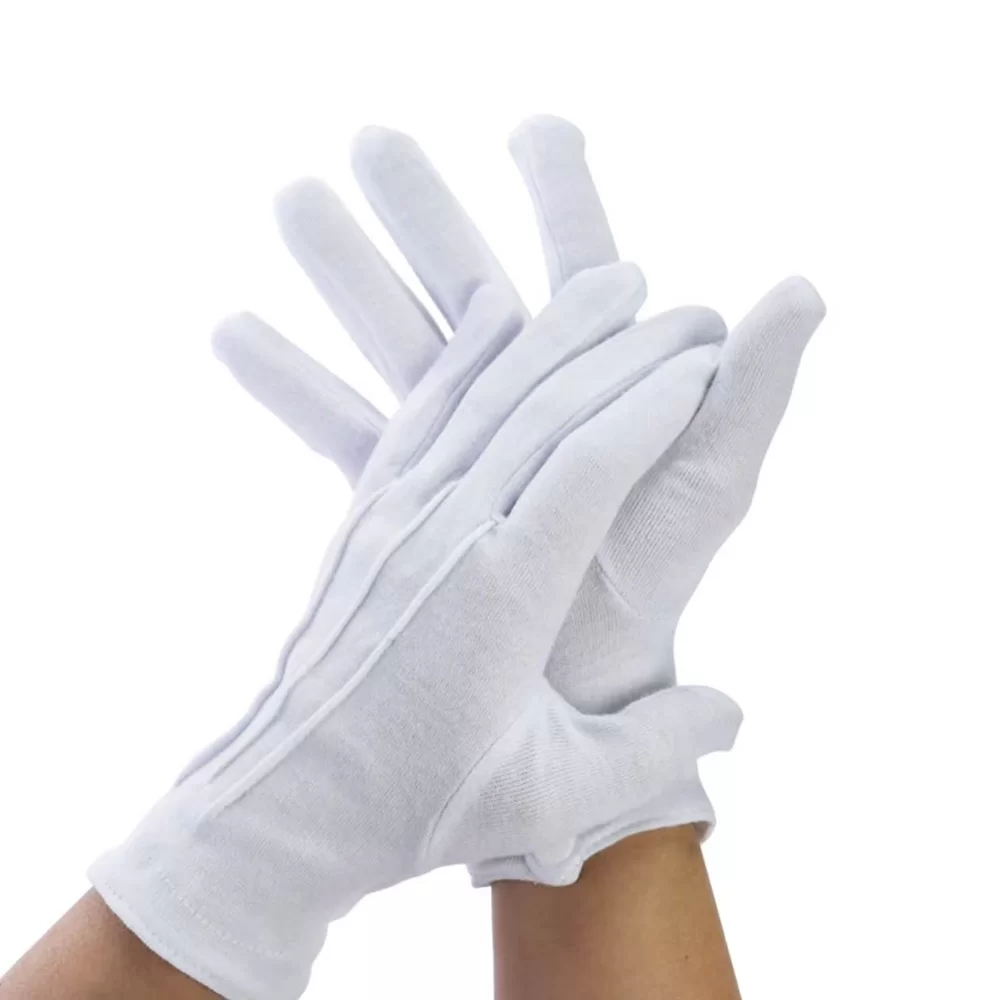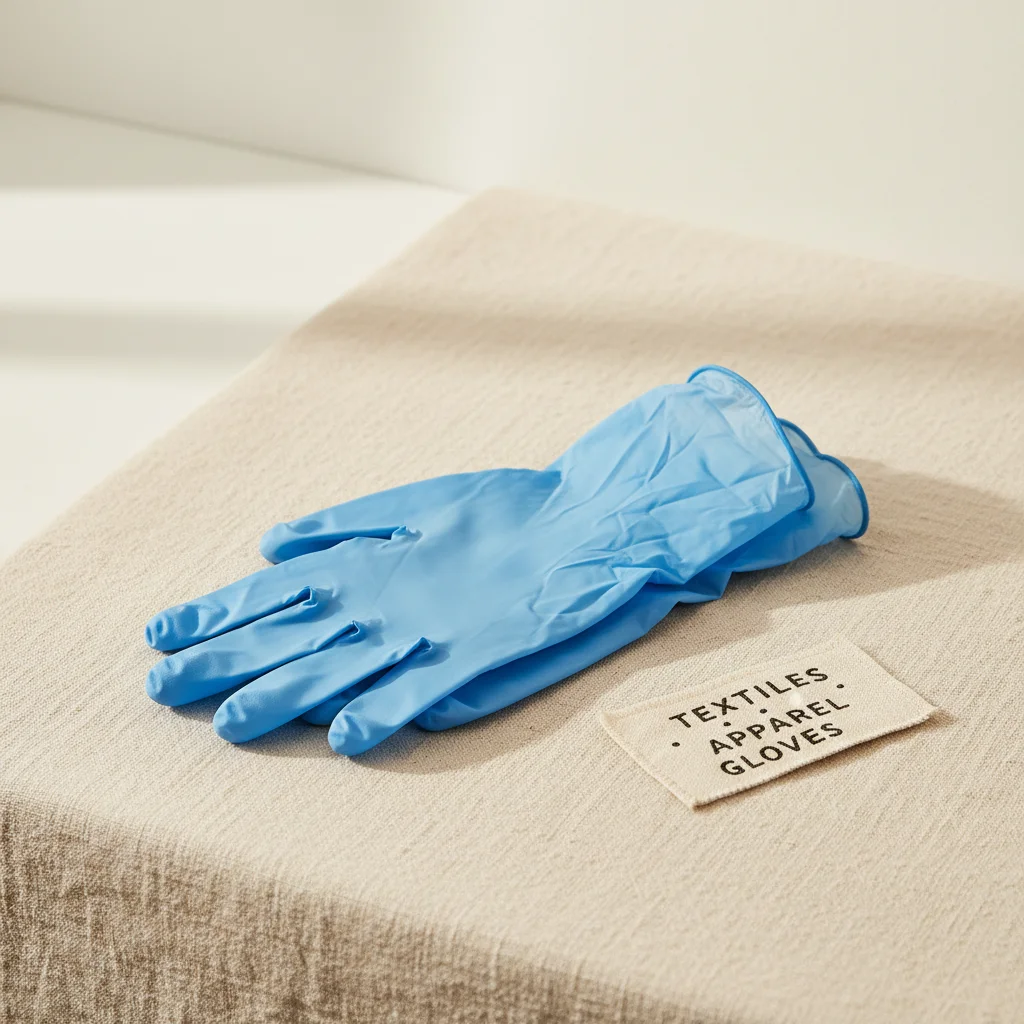
Comprehensive Etiquette for Wearing Gloves Ensuring Hygiene and Safety
Etiquette for Wearing Gloves: A Comprehensive Guide
Wearing gloves is a common practice across various settings, from medical facilities to industrial workplaces and even formal occasions. However, simply putting on a pair of gloves isn't enough. Understanding the proper etiquette for wearing gloves is crucial for maintaining hygiene, safety, and social grace. This article delves into the do’s and don'ts of glove usage, covering everything from handwashing protocols to appropriate glove selection and disposal. Proper glove usage demonstrates professionalism and respect for both yourself and those around you. Explore the complete range of protective gloves at HMD Glove to find the perfect fit for your needs.

The Importance of Hand Hygiene Before Gloving
Before donning gloves, rigorous hand hygiene is paramount. This is often overlooked, but it's a critical step in preventing the spread of germs. Even with gloves, contaminants can transfer if your hands aren’t clean beforehand. The Centers for Disease Control and Prevention (CDC) recommends washing hands thoroughly with soap and water for at least 20 seconds, or using an alcohol-based hand sanitizer containing at least 60% alcohol. This initial step ensures that you're creating a barrier over clean hands, rather than simply encasing contaminated ones. Proper hand hygiene before wearing gloves is a cornerstone of infection control protocols.
Key Highlight: Thorough handwashing or sanitizing before putting on gloves is more important than many realize, preventing contamination.
Selecting the Right Glove for the Task
Not all gloves are created equal. The type of glove you choose should be appropriate for the task at hand. For example, latex gloves are suitable for general cleaning, but nitrile gloves are a better choice for individuals with latex allergies or when handling chemicals. Heavy-duty work gloves are essential for tasks involving sharp objects or abrasive materials. Choosing the correct glove material protects both the wearer and prevents contamination. Consider the level of dexterity needed—thinner gloves offer greater sensitivity, while thicker gloves provide more protection. Visit HMD Glove to explore a wide selection of glove types for various applications.
Glove Material Guide:
• Nitrile: Excellent chemical resistance, allergy-friendly.
• Latex: Good elasticity, suitable for general tasks.
• Vinyl: Cost-effective, good for light tasks.
• Neoprene: Exceptional resistance to a broad range of chemicals.
Etiquette for Wearing Gloves: The Proper Donning Technique
The way you put on gloves matters. Avoid touching the outside of the gloves with bare hands. Instead, use a gloving technique that minimizes contamination. Gently slide your fingers into the glove, ensuring a snug but comfortable fit. Avoid tearing or stretching the gloves excessively. If a glove is torn, discard both gloves immediately and start the process again. Proper donning protects the integrity of the gloves and maintains a sterile barrier.
Avoiding Cross-Contamination While Wearing Gloves
Gloves are not foolproof. It's important to avoid touching surfaces that could become contaminated while wearing them. Change gloves frequently, especially after touching potentially contaminated items. Never reuse disposable gloves. If a glove becomes torn or punctured, replace it immediately. Remember, gloves provide a barrier, but they can be compromised easily. Maintaining awareness and practicing careful techniques are essential for preventing cross-contamination.

Proper Glove Removal and Disposal: Minimizing Risk
Removing gloves correctly is as important as putting them on. Avoid touching your bare skin with the outside of the gloves during removal. Peel the gloves off inside-out, rolling them into a ball to contain any contaminants. Dispose of used gloves properly in designated waste containers. Never reuse disposable gloves, and always wash your hands immediately after removing them. Following these procedures minimizes the risk of spreading germs and ensures effective infection control.
Conclusion: Mastering Glove Etiquette for Safety and Hygiene
Mastering the etiquette for wearing gloves is a vital skill for maintaining safety and hygiene in various settings. From proper handwashing and glove selection to correct donning and disposal techniques, each step plays a crucial role in preventing the spread of contamination. By adhering to these guidelines, you contribute to a healthier and safer environment for yourself and others. Browse the extensive collection of high-quality gloves at HMD Glove to find the perfect protective solution for your specific needs.
Frequently Asked Questions (FAQs)
Can I use hand sanitizer instead of washing my hands before putting on gloves?
While hand sanitizer is a convenient alternative, washing with soap and water is generally preferred, especially if your hands are visibly soiled. Sanitizer is effective for killing germs, but it doesn't physically remove dirt and debris. If soap and water are unavailable, use a hand sanitizer with at least 60% alcohol, ensuring complete coverage and allowing it to dry before putting on gloves.
How often should I change gloves?
Gloves should be changed frequently, even if they don’t show signs of damage. Change gloves between patients or tasks, after contact with potentially contaminated surfaces, and immediately if they become torn or punctured. A general guideline is to change gloves every 30-60 minutes during prolonged use to maintain barrier integrity.
Are powdered gloves still recommended?
Powdered gloves are generally not recommended. The powder can cause allergic reactions and may increase the risk of airborne contamination. Most healthcare facilities have phased out the use of powdered gloves in favor of powder-free alternatives. If you have a latex allergy, be sure to choose powder-free nitrile or vinyl gloves.
What is the best way to store gloves to maintain their quality?
Store gloves in a cool, dry place away from direct sunlight and extreme temperatures. Keep them in their original packaging until ready to use. Avoid storing gloves near chemicals or sharp objects that could damage them. Proper storage helps to preserve the integrity and effectiveness of the gloves.