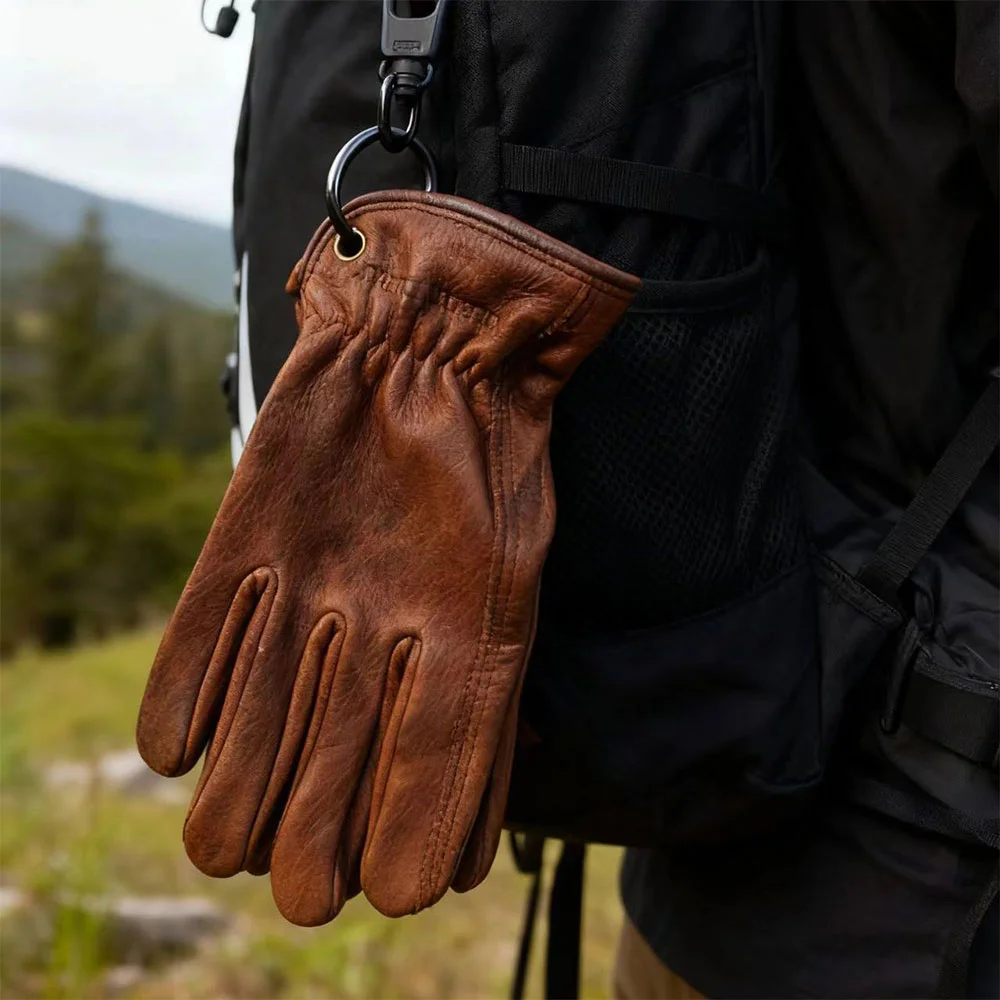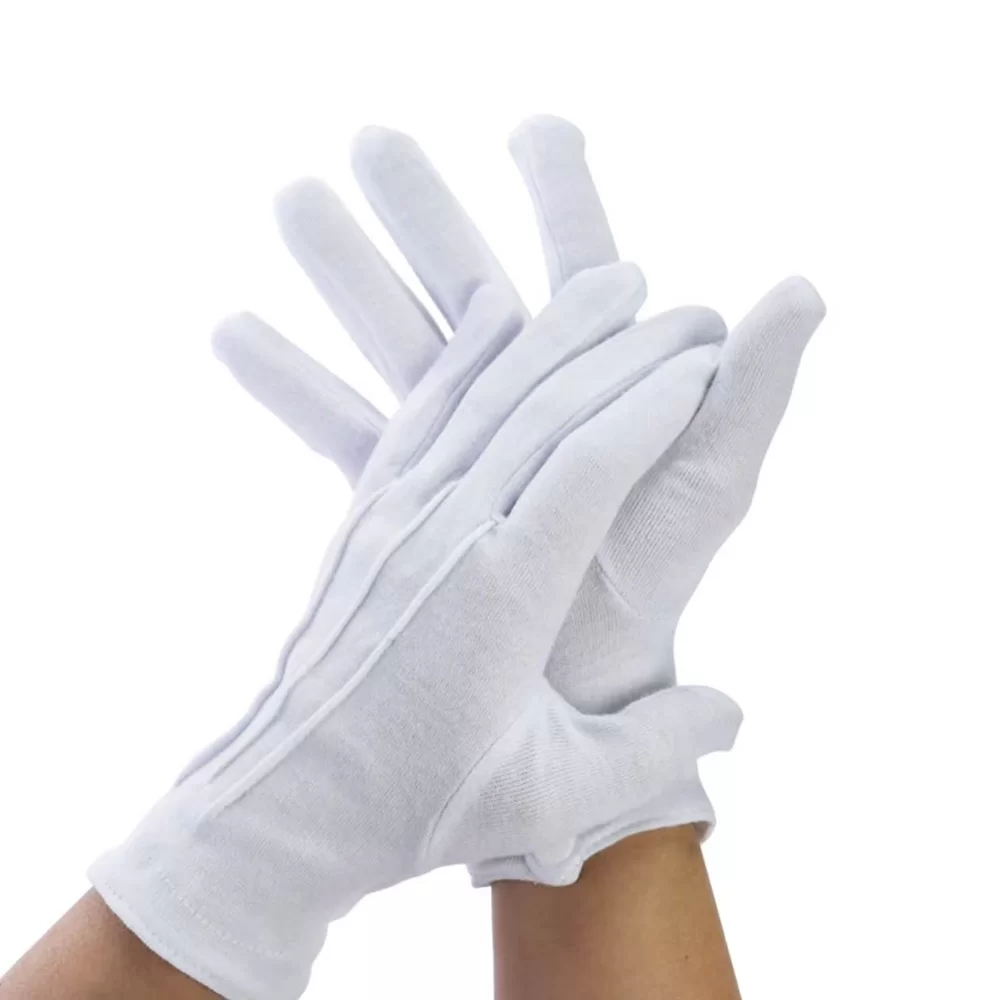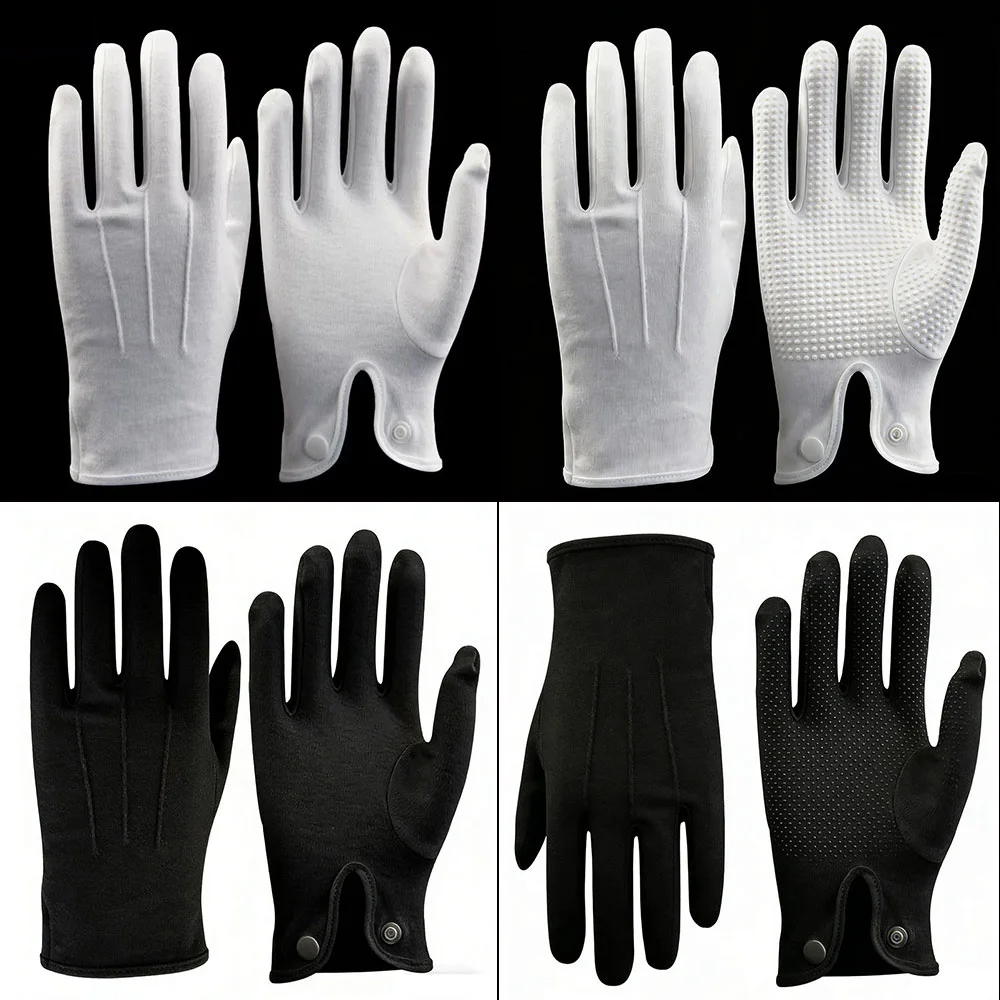
Warm Gloves for Horse Riding – Essential Cold Weather Equestrian Gear & Buying Guide
Warm Gloves for Horse Riding: Essential Gear for Comfort and Safety
If you’re into horse riding — whether as a passionate hobbyist or a working equestrian — you know that your hands take a serious beating, especially during chilly weather. Warm gloves for horse riding serve a very specialized purpose: keeping riders’ hands warm without sacrificing grip, dexterity, or safety. Beyond mere comfort, quality gloves are integral to control, responsiveness, and overall riding performance.
Interestingly, these gloves represent more than just cold-weather gear. Globally, in climates ranging from the frigid steppes of Mongolia to the crisp countryside in Northern Europe, riders rely on thermal hand protection all year round. And it’s not just sport — in regions where equestrian activities support livelihoods and agriculture, or in therapeutic riding programs worldwide, warm gloves for horse riding are a subtle but vital piece of equipment.
Introduction: Why Do Warm Gloves Matter Globally for Riders?
The equestrian community worldwide is sizable — estimated in millions, including professionals, amateurs, and therapeutic riders. According to the Food and Agriculture Organization (FAO), horses play key roles in agriculture and transport in many developing countries, often in harsh climates. That’s a context where cold hands can literally slow down work, causing discomfort and even injury.
But here’s the kicker: cold fingers reduce tactile feedback through reins, increase fatigue, and can even increase fall risk. Add that to weather unpredictability and long hours outdoors, and the demand for proper warm gloves tailored to horse riding is evident.
What Exactly Are Warm Gloves for Horse Riding?
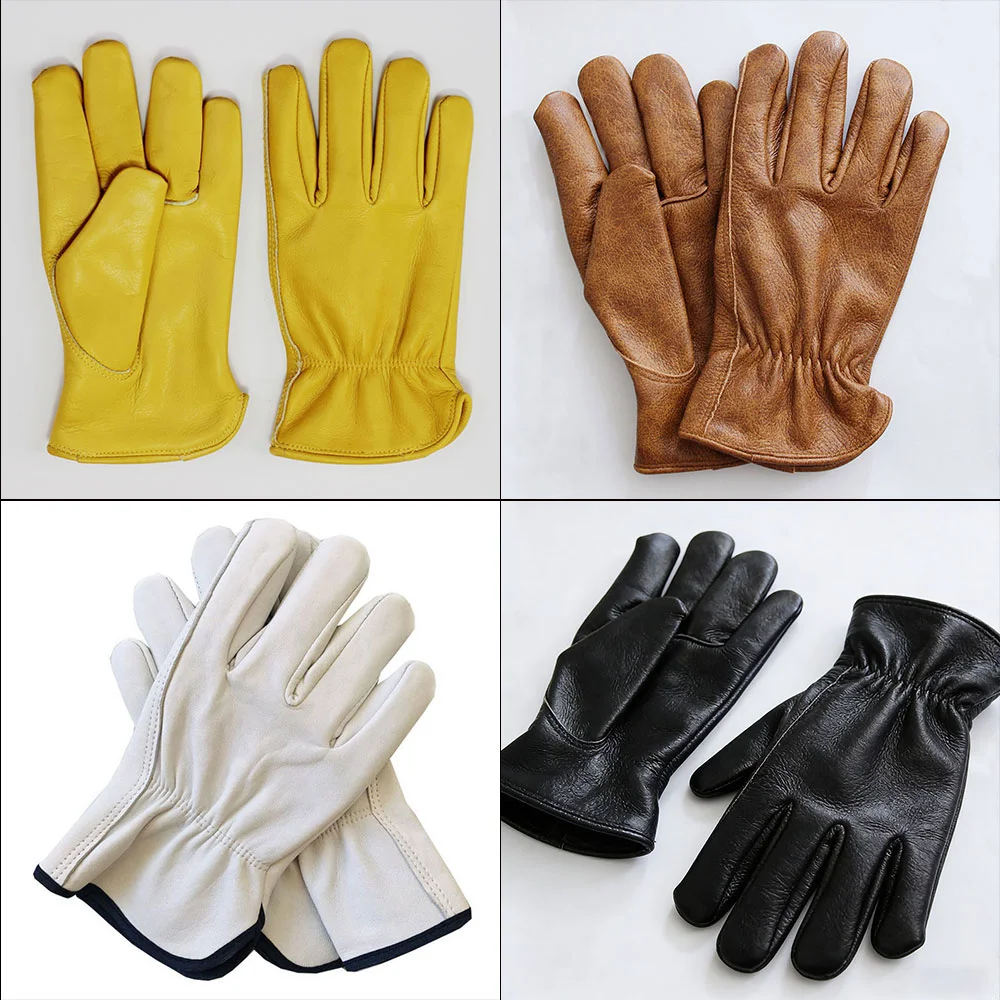
At their core, warm gloves for horse riding are gloves engineered specifically to address the hands’ needs during riding in colder weather. Unlike generic gloves, these are crafted to:
- Retain heat but remain breathable enough to prevent sweating,
- Provide excellent grip on reins without slippery palms,
- Allow sufficient dexterity to signal commands smoothly and safely,
- Withstand wear from outdoor elements, including rough saddles and tack,
- Offer durability and fit comfort for long rides or workdays.
So, these gloves are a technical product marrying thermal performance with equestrian-specific design needs.
Key Factors to Consider in Warm Gloves for Horse Riding
1. Thermal Insulation
The first line of defense in cold environments is insulation. Materials like Thinsulate™ or fleece linings keep the hands warm without excessive bulk. This balance is tricky because too much insulation hampers the fine motor skills riders need.
2. Grip and Palm Design
Riders need gloves that maintain grip on reins even if wet or sweaty. Many gloves use silicone-print palms or suede patches to enhance friction. Oddly enough, a good grip reduces accidents and lets riders communicate better with their horses.
3. Waterproofing and Breathability
Rain or snow are common, so waterproof membranes or coatings paired with breathable fabrics like Gore-Tex are often integrated. This combo keeps hands dry and prevents clamminess — a subtle, but important comfort factor.
4. Dexterity and Fit
The gloves must allow fingers to move naturally to manipulate reins and adjust tack quickly. Manufacturers often tailor gloves with stretch panels or ergonomic stitching—to mimic hand movements accurately.
5. Durability and Longevity
Materials like synthetic leather or reinforced stitching are chosen to stand up to abrasion. Riders often report their gloves develop worn areas on fingertips or palms, so durability ensures cost effectiveness over time.
6. Safety Features
Some gloves incorporate reflective elements for low-light riding or padded knuckles for protection during trail rides. This additional safety factor is great, especially for evening or winter rides.
Global Applications & Use Cases
Warm gloves for horse riding have diverse applications worldwide. In Europe, winter riders treasure thermal gloves for competitions and casual rides alike. In North America, ranchers working long hours require gloves that survive rugged use. Meanwhile, in Central Asia's cold highlands, local horsemen depend on insulating gloves to sustain their traditional livelihoods.
Therapeutic riding programs globally, including those supported by organizations like Riding for the Disabled, also rely on well-designed gloves to facilitate hand mobility and warmth simultaneously.
In fact, some NGOs incorporate warming horse riding gloves into their equine-assisted therapy kits, understanding that thermal protection supports patient engagement. On a purely sporting level, professional equestrians competing in cold shows like the winter season events in Sweden or Canada demand gloves that offer both performance and warmth.
Mini Takeaway:
Warm gloves for horse riding are much more than winter wear; they blend innovation, comfort, and safety — crucial for performance and wellbeing across diverse climates and disciplines.
Warm Gloves for Horse Riding: Product Specification Table
| Feature | Description | Example Material/Tech |
|---|---|---|
| Insulation | Keeps hands warm without bulk | Thinsulate™, fleece lining |
| Grip | Non-slip surfaces on palm side | Silicone print, synthetic suede |
| Waterproofing | Resists water and snow entry | Gore-Tex membrane, PU coating |
| Fit & Dexterity | Ergonomic, stretch panels | Spandex inserts, articulated fingers |
| Durability | Abrasion resistance | Reinforced synthetic leather |
Vendor Comparison: Popular Warm Riding Gloves
| Brand | Thermal Rating | Grip Technology | Waterproof | Price Range (USD) |
|---|---|---|---|---|
| HorsePro Winter Glove | -10°C to 5°C | Silicone grip patches | No | $45–60 |
| EquiTherm GTX | -20°C to 0°C | Full silicone palm | Yes (Gore-Tex) | $90–120 |
| RiderFlex Thermal | -5°C to 10°C | Synthetic suede palm | No | $35–50 |
Advantages & Long-Term Value
Investing in high-quality warm gloves for horse riding pays off — not just in comfort but longevity and safety. You reduce risks of frostbite and numbness that impair riding, while the gear itself often lasts years thanks to rugged materials. Many riders note fewer distractions, more confidence in cold weather, and even a sense of dignity in facing tough outdoor conditions equipped properly.
In social terms, providing proper thermal gloves supports inclusivity in equestrian activities — kids in therapeutic programs or riders in remote locations can participate year-round. Frankly, this blend of practicality, safety, and social benefit is what puts these gloves among the essential equestrian apparel.
Future Trends & Innovations
Technology is creeping in, gently but surely. Expect to see gloves incorporating smart textiles — fabrics that adjust insulation in response to temperature or moisture. Nano-coatings that repel water while maintaining breathability are also emerging.
Sustainability is becoming a priority. Eco-friendly materials, recycled fleece, and biodegradable synthetics are areas of experimentation. There’s also interest in digital customization — gloves designed for individual hand shapes using 3D scans, reducing waste, and improving fit.
Challenges & Solutions
The main obstacles are balancing warmth with dexterity and cost. Too warm, and riders lose control; too thin and the fingers freeze. Waterproofing can reduce tactility; durable gloves often come with a higher price tag.
Innovative companies are tackling these with layered glove systems or modular gloves where liners can be swapped. Some riders double up thin liners with shell gloves, adapting to changing conditions. If you’re hunting for the best fit, warm gloves for horse riding online shops often offer sizing guides and user reviews that make a difference.
FAQ: Practical Questions About Warm Gloves for Horse Riding
- Q1: How do I choose gloves that keep my hands warm but still let me hold the reins properly?
- A: Look for gloves with specialized grip materials on the palms and fingers (like silicone patches) paired with thin, high-performance insulation like Thinsulate™. This combo allows you to maintain dexterity while protecting against cold. Trying gloves on before purchasing is ideal.
- Q2: Are waterproof riding gloves necessary in all climates?
- A: Not always, but if your riding conditions include rain or snow, waterproof layers prevent moisture from chilling your hands. Some gloves offer breathability and water resistance, striking a balance. In dry cold, waterproofing can be less of a priority.
- Q3: Can I use regular winter gloves for horse riding?
- A: Generally, no. Generic winter gloves lack the grip and wear resistance needed for handling reins and tack. Equestrian gloves have tailored palm materials and fit profiles to ensure safety and performance in riding.
- Q4: How do I care for my warm horse riding gloves to maximize lifespan?
- A: Follow manufacturer instructions; most require gentle washing (hand wash or gentle cycle), air drying, and avoiding fabric softeners that damage waterproof membranes. Regular cleaning prevents grime build-up, which reduces grip and insulation effectiveness.
Conclusion + Call to Action
To sum it up, warm gloves for horse riding are invaluable for maintaining comfort, safety, and control in cold conditions. Whether you ride competitively or recreationally, investing in gloves designed for equestrian demands makes a world of difference. The long-term value — improved performance, injury prevention, and durability — simply can’t be overstated.
If you’re looking to upgrade or explore your options, I encourage you to visit warm gloves for horse riding — there you’ll find a curated selection and expert advice to get the right gloves for your needs.
Stay warm, ride safe, and enjoy the connection with your horse no matter the weather!
Mini Takeaway:
When it comes to horse riding in cold weather, the right gloves make you safer, more comfortable, and ultimately a better rider - it truly is that simple.