Essential Guide to Warm Equestrian Gloves | Comfort & Safety for Riders
Warm Equestrian Gloves: Essential Gear for Every Rider
Horses have been our partners for millennia — through work, sport, and companionship. But anyone who's ever braved a chilly morning at the barn knows one thing for sure: without the right gloves, cold fingers can quickly spoil the experience. That's where warm equestrian gloves step in. They might seem like a small detail but, frankly, they’re vital for riders worldwide. Beyond comfort, these gloves impact safety, control, and overall performance in often unpredictable weather.
As global riding communities expand, and outdoor equestrian events increase across climates, understanding the significance of warm gloves is more than just a wardrobe note—it’s a matter of effectiveness and wellbeing.
Why Warm Gloves Matter Globally
Consider this: equestrian sports and leisure riding extend from the snowy Alpine trails to the chilly steppes of Mongolia or even colder northern European countries. The World Health Organization notes that cold exposure can impair manual dexterity and increase accident risk, a pressing concern for riders who rely heavily on grip and precision.
Yet, cold weather gear isn't just a luxury—it fosters sustained performance and reduces injury risks. In regions where temperatures can plummet unexpectedly, cold-resistant gloves become indispensable.
Defining Warm Equestrian Gloves
So, what exactly are warm equestrian gloves? At their core, they’re specialized gloves crafted to provide insulation and optimize grip for horse riders in cold weather conditions. Unlike standard gloves, these incorporate materials and design features tailored for equestrian activities — think flexible fingers, reinforced palms, and breathable thermal linings.
Their use aligns closely with safety standards and the growing professionalism of horse sports, where maintaining tactile control even in freezing temperatures is a must.
Key Components of Warm Equestrian Gloves
1. Thermal Insulation
Quality gloves use insulative materials like Thinsulate, fleece, or merino wool. This retains heat without bulk, keeping rider hands cozy while allowing subtle movements.
2. Grip and Control
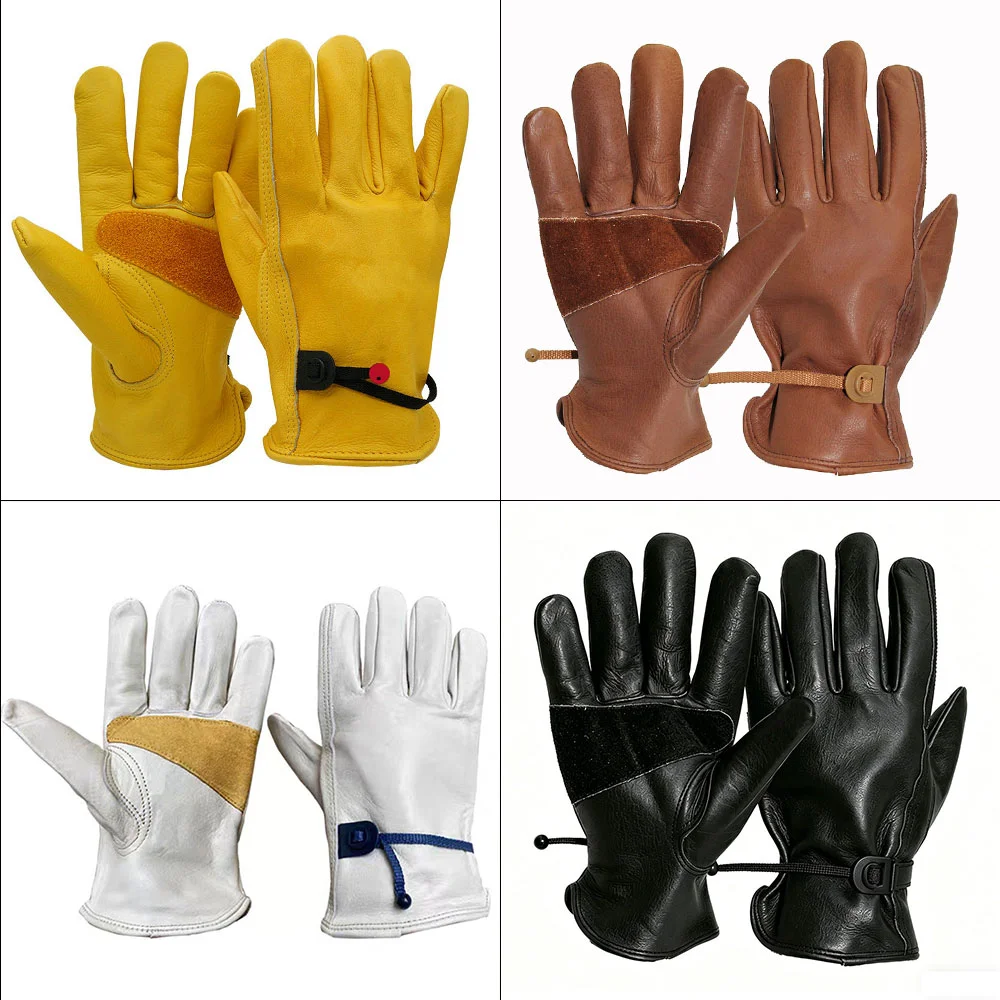
Reinforced palms and finger pads often utilize silicone or synthetic leather to ensure grip does not slip even when reins get damp or sweaty—critical for safe riding.
3. Breathability & Moisture Management
Oddly enough, too warm and wet hands are just as problematic as cold ones. So many gloves integrate breathable membranes or moisture-wicking linings to keep hands dry.
4. Durability
Equestrian gloves regularly face abrasion and dirt. Reputable gloves use sturdy stitching and tough fabrics, promising a long service life.
5. Fit & Dexterity
Comfort means freedom of motion. Gloves tend to be snug without restricting finger movement, allowing fine tactile feedback agile enough for rein adjustment or gadget handling.
Product Specification Table
| Feature | Specification |
|---|---|
| Insulation Material | Thinsulate 200g |
| Palm Material | Synthetic leather with silicone grip |
| Lining | Moisture-wicking polyester |
| Closure | Adjustable Velcro cuff |
| Weight | 100 grams per pair |
Global Applications & Use Cases
These gloves find a broad audience — from competitive dressage riders in Europe, to trail riders in cold Canadian forests, and even mounted patrol officers in chilly climates. They’re also critical in therapeutic equestrian programs for children and veterans, where maintaining warmth means stability and improved motor control.
In Mongolia and parts of Siberia, where nomadic herders ride year-round, warm equestrian gloves can literally make the difference between a good ride and frostbite.
Vendor Comparison Table
| Brand | Thermal Rating | Grip Technology | Price Range |
|---|---|---|---|
| Harriet & Marnie | High (200g Thinsulate) | Silicone-enhanced palms | $$ |
| EquiTherm Pro | Medium (150g fleece) | Grip patches on fingers | $$$ |
| ThermaRide | High (merino wool blend) | Microfiber palm reinforcement | $ |
Advantages & Long-Term Value
Investing in a solid pair of warm equestrian gloves pays off far beyond a single season. They boost confidence, reducing distractions caused by cold hands and allowing full rein control at all times. This isn't just economics; this is truly about rider safety, dignity, and the joy of connection with one’s horse.
Moreover, a sustainably made pair — using eco-conscious materials and durable design — supports industry efforts toward environmental responsibility, which frankly everyone needs to think more about.
Future Trends & Innovations
Looking ahead, the blend of technology and tradition is intriguing. Smart textiles with embedded sensors might soon monitor hand temperature levels or grip pressure, relaying feedback to riders or coaches. Biodegradable insulating materials and better moisture-wicking fabrics are already gaining ground, aligning with broader green goals.
Challenges & Proven Solutions
No product is perfect, right? For warm equestrian gloves, challenges often revolve around balancing insulation and dexterity. Too much padding, and riders feel clumsy. Too little, and the fingers freeze. To navigate this, manufacturers have turned to multi-layered designs and innovative knitting techniques that preserve flexibility while ensuring warmth.
FAQ: Frequently Asked Questions About Warm Equestrian Gloves
-
Q: What materials provide the best warmth without losing grip?
A: A combination of Thinsulate insulation with silicone-enhanced synthetic leather palms is often considered optimal, offering excellent warmth retention and reliable grip in varied weather. -
Q: Can warm equestrian gloves be used year-round?
A: Generally, these gloves are designed for cold or cool weather. Using them in hot environments might cause your hands to sweat, which could reduce comfort and grip. -
Q: How do I maintain my gloves for long-term use?
A: Care varies by material, but typically gentle hand washing, air drying away from heat, and storing in a dry place enhance durability. -
Q: Are there options suitable for riders with cold sensitivity or circulation issues?
A: Yes, some gloves incorporate advanced thermal linings and ergonomic fits designed specifically for enhanced circulation and warmth.
Conclusion & Call to Action
Warm equestrian gloves are more than just winter accessories; they’re critical tools enhancing rider performance, safety, and comfort worldwide. If you want to elevate your riding experience — especially in chilly weather — investing in quality gloves is non-negotiable.
For riders seeking reliable and innovative options, check back with warm equestrian gloves specialists who prioritize blending advanced materials and user-focused design. Your hands will thank you — and so will your horse.
Takeaway: The right gloves do more than keep hands warm — they keep connections strong between rider and horse, no matter the weather.