Comprehensive Guide to Gloves for Household Work: Benefits, Types & Global Use
Understanding Gloves for Household Work: Why They Matter More Than You Think
You might not give much thought to gloves for household work beyond picking them up for washing dishes or gardening — but frankly, gloves are a surprisingly important piece of gear worldwide, and understanding them is more useful than you'd guess. Across different cultures and industries, these simple protective tools safeguard health, improve hygiene, and even empower social dignity. Whether you’re a homeowner, a gardener, or involved in relief efforts, knowing the right type of glove can make all the difference.
Global Context: A Simple Tool with a Massive Impact
Globally, the use of gloves for household work ties into broader issues like labor safety and disease prevention. According to the International Labour Organization (ILO), hand injuries alone represent one of the most common workplace incidents worldwide, many of which could be reduced by proper glove use. Oddly enough, even in high-income countries, surveys reveal that consistent glove use is surprisingly low during household chores that involve toxic cleaning agents or sharp tools. And in developing contexts, improper or unavailable gloves disproportionately increase health risks for women and informal workers.
On a related note, the World Health Organization (WHO) highlights that regular glove use in sanitation and food prep helps reduce infection spread — a crucial factor during pandemics and in humanitarian settings.
Definition & Meaning: What Exactly Are Gloves for Household Work?
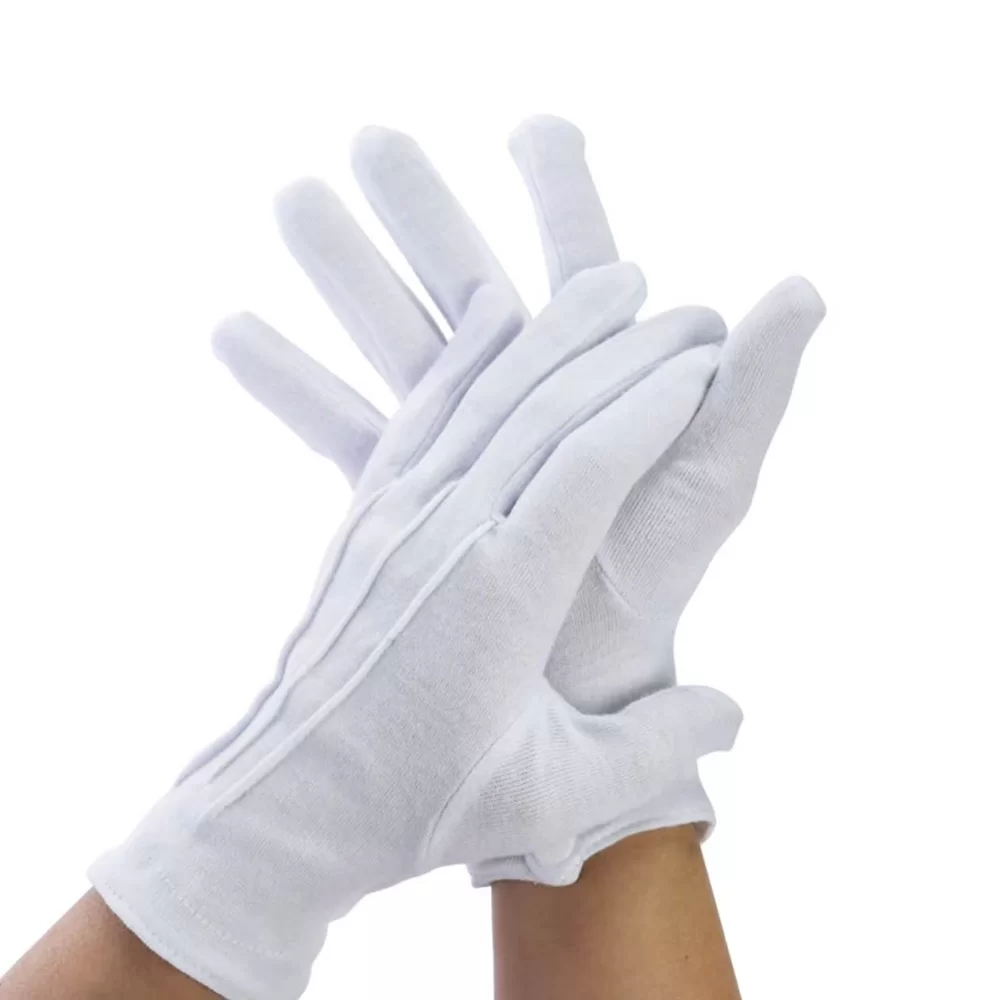
Simply put, gloves for household work are protective coverings worn over the hands specifically designed to reduce exposure to irritants, contaminants, chemicals, or mechanical hazards during day-to-day tasks. They vary widely — rubber gloves for dishwashing, knitted cotton gloves for light gardening, or heavier leather gloves for yard work.
Their importance rises alongside modern trends like increased chemical cleaners and home DIY projects, requiring gloves that balance comfort, dexterity, and protection. Plus, they have a humanitarian angle — providing dignity and safety to millions of informal workers worldwide.
Key Factors in Choosing Household Gloves
Durability
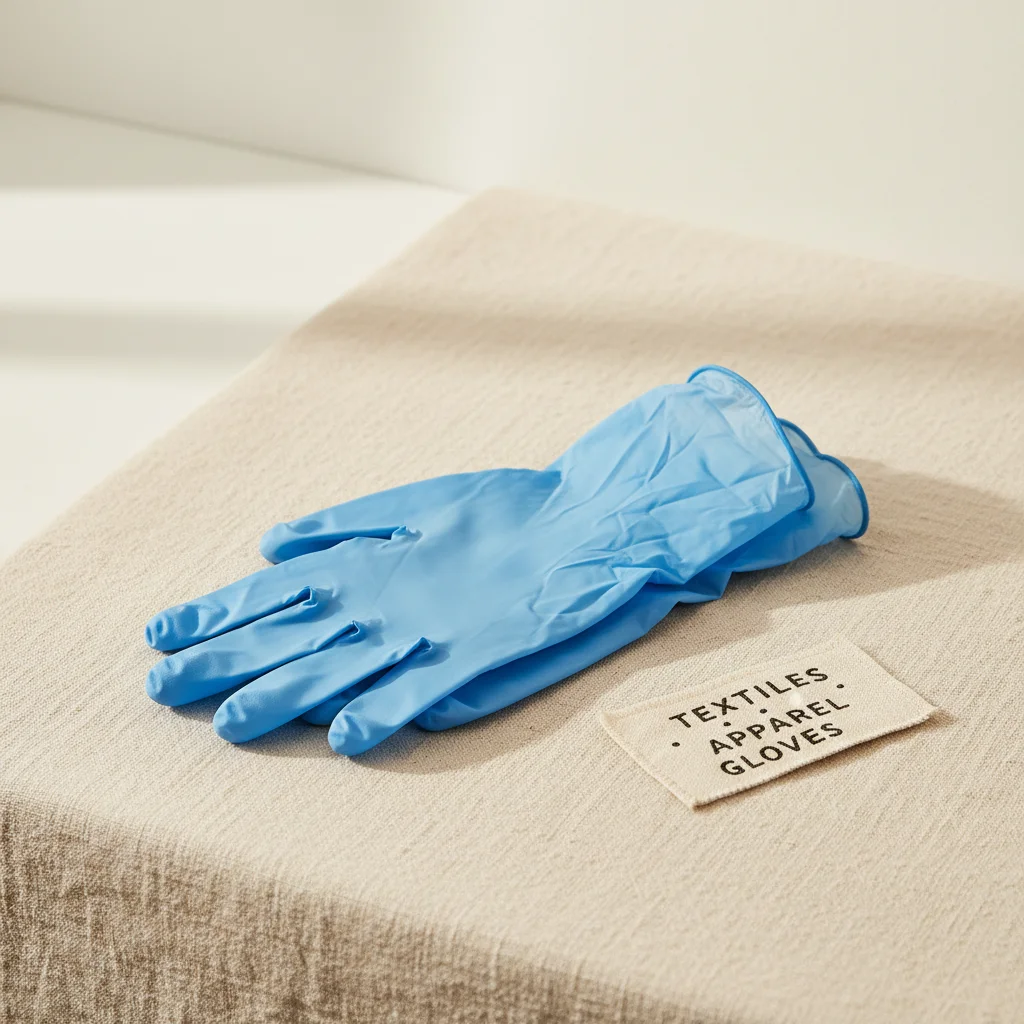
The key is how long the glove lasts before wearing out or tearing — which is surprisingly variable. For instance, nitrile gloves resist punctures better than latex, making them ideal when handling sharp tools or thorny plants. Durability is practical, but choosing between reusable and disposable gloves also factors in.
Comfort and Fit
Gloves that are too tight cause hand fatigue; loose ones reduce dexterity — both problematic for tasks like cleaning or intricate repairs. Materials like textured natural rubber or breathable fabrics help maintain grip and reduce sweating.
Chemical Resistance
Many household tasks involve exposure to detergents, bleach, or solvents. Gloves made from neoprene or thicker nitrile can protect against these better than cotton or vinyl, which might degrade rapidly.
Cost Efficiency
Since gloves are often considered disposable, price per use matters — but so does lifecycle. Investing in higher-end reusable gloves can be far more economical over the long term. The challenge is balancing upfront cost with durability.
Sustainability
Increasingly, consumers are asking about eco-friendliness. Gloves made from biodegradable materials or natural rubber are emerging, though they may have trade-offs in durability or cost.
Product Specifications at a Glance
| Glove Type | Material | Protection | Typical Use | Reusable? |
|---|---|---|---|---|
| Dishwashing Glove | Latex/Nitrile | Chemical & water | Cleaning, kitchen | Yes |
| Gardening Glove | Cotton/Leather | Puncture & dirt | Gardening, landscaping | Yes |
| Disposable Glove | Vinyl/Nitrile | Light chemical & bacteria | Food handling, cleaning | No |
Worldwide Applications & Use Cases
Around the globe, gloves for household work present vital safety equipment not just for home use but in varied contexts:
- Urban Areas: In dense cities, gloves protect domestic workers from chemical exposure during cleaning and caregiving tasks.
- Rural Regions: Farmers and gardeners rely on durable gloves to prevent injuries from tools, plants, and insects.
- Humanitarian Relief: Post-disaster shelters often supply gloves to volunteers and displaced populations to maintain hygiene and reduce infection risks.
- Industrial Zones: Even low-risk household cleaning tasks require gloves compliant with ISO standards to prevent chronic skin conditions.
A small NGO in Southeast Asia, for example, distributed affordable reusable gloves to migrant household workers, cutting reported hand injuries by nearly 30% within a year.
Advantages & Long-Term Value
The benefits extend beyond simple protection:
- Cost Savings: Reduced medical visits and work interruptions.
- Sustainability: Durable gloves reduce waste compared to single-use options.
- Social Impact: Empowering workers with safety gear boosts confidence and dignity.
- Reliability and Trust: Consistent use builds trust in both workplaces and homes.
Emotionally, many users report a greater sense of control over their environment — gloves create a small but meaningful barrier between vulnerable skin and hazardous substances.
Future Trends & Innovations in Household Gloves
Innovation isn’t absent here — in fact, it's growing fast. Biodegradable glove materials, UV-resistant coatings, and even antimicrobial surfaces are entering the market. Researchers are experimenting with smart gloves infused with sensors to monitor hand strain or contamination levels. The big push toward sustainability also means more brands are exploring natural rubber harvested sustainably or recycled plastics as base materials.
Challenges and Smart Solutions
There are challenges, though. Some users find gloves uncomfortable or experience allergic reactions (latex allergy is a prime example). Sizing inconsistencies and poor-quality imports flood the market, undermining trust. Experts suggest increasing education about glove choice, fit, and maintenance. Also, incentivizing manufacturers to meet international standards like ISO 45001 would raise quality.
Vendor Comparison Table: Leading Household Glove Brands
| Brand | Material | Price Range | Reusability | Eco-friendliness |
|---|---|---|---|---|
| HMD Glove | Natural rubber & nylon lining | $$ | Yes | Partial biodegradable |
| EcoGuard | Biodegradable latex | $$$ | Limited | High |
| SafeHands | Nitrile synthetic rubber | $ | No | Low |
FAQ: Common Questions About Gloves for Household Work
- What type of gloves are best for cleaning with harsh chemicals?
- Nitrile or neoprene gloves offer excellent chemical resistance without the allergenic risks associated with latex. They also hold up well to abrasion, giving you longer use during tough cleaning tasks.
- Can I reuse disposable gloves safely for household chores?
- While disposable gloves are designed for single use, some people reuse them for quick, light tasks. However, reusing can degrade protection and increase contamination risk. For durability, consider reusable rubber gloves instead.
- Are cotton gloves effective for gardening?
- Cotton gloves provide comfort and breathability but limited protection against thorns or sharp objects. For tougher gardening jobs, leather or reinforced gloves are better suited.
- How should I care for my reusable household gloves?
- Rinse gloves after use, dry them thoroughly before storage, and avoid prolonged exposure to sunlight or heat, which can degrade the material. This simple care extends glove life and maintains protection.
Conclusion: Your Hands Deserve the Best Protection
Gloves for household work may seem like small items, but their impact globally is anything but small. From improving safety and hygiene to supporting economic and social wellbeing, they’re a practical investment with enduring value. Whether you’re washing dishes or caring for your garden, choosing the right gloves enriches your peace of mind and health.
If you want top-notch protective gloves tailored to your household needs, feel free to explore our product range and discover how the right gloves can elevate your daily chores.
A small step—wearing gloves—goes a long way in safeguarding your well-being.