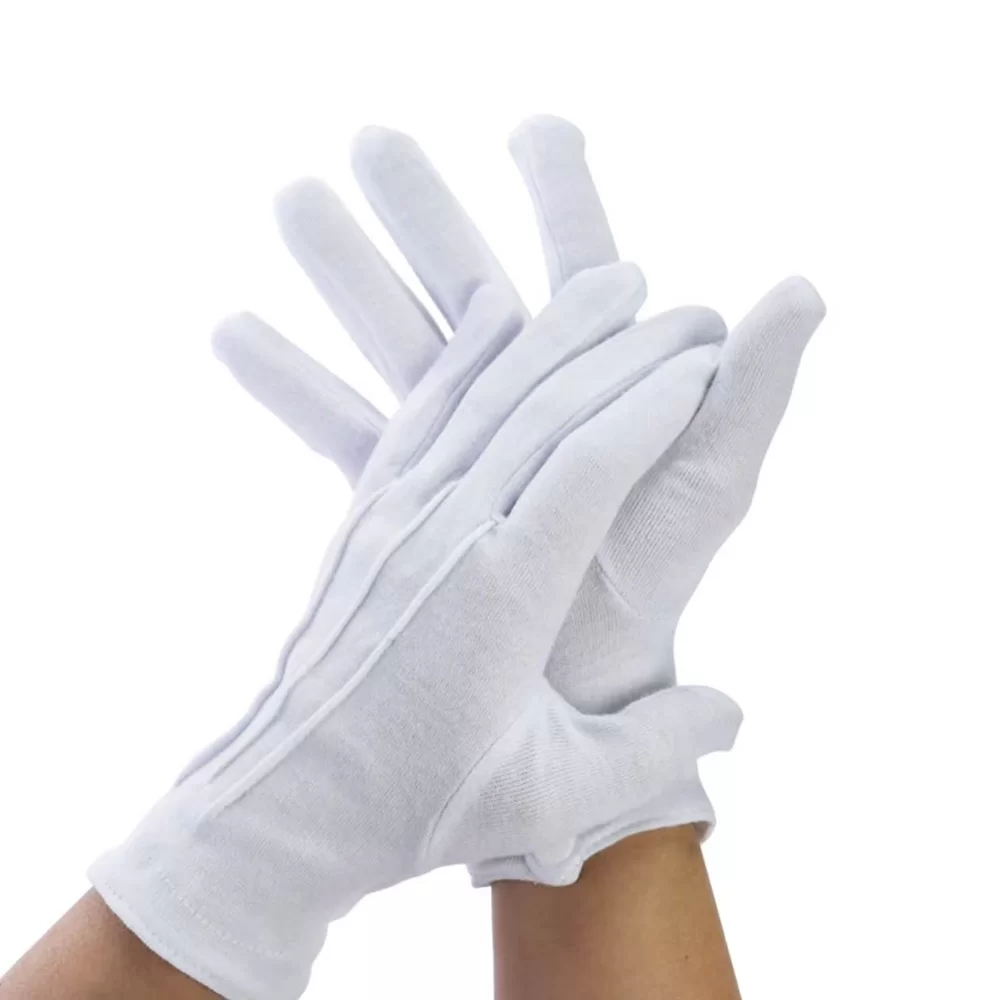
Why a Box of Cleaning Gloves is Essential for Safety & Hygiene Worldwide
Why a Box of Cleaning Gloves Matters More Than You Think
If you’ve ever unpacked a box of cleaning gloves, it’s probably seemed like a mundane, everyday thing. Gloves — check. Box — check. But actually, this simple combo quietly solves a world of challenges, from industrial safety and medical hygiene to humanitarian crises and environmental protection. Across industries and continents, these boxes are small but mighty tools for health and productivity.
Globally, with rising awareness about contamination control and workplace safety, the humble box of cleaning gloves has morphed from an afterthought into a frontline necessity.
Cleaning Gloves in a Global Context: Why It’s Crucial
The World Health Organization estimates that over 1.4 million people die yearly from healthcare-associated infections, many of which could be prevented by proper protective equipment like gloves. The United Nations highlights sanitation and hygiene as vital Sustainable Development Goals (SDG #6 especially), pushing organizations worldwide to ramp up access to basic protective gear.
From bustling metropolitan hospitals or manufacturing plants to emergency shelters in flood-hit areas, the box of cleaning gloves symbolizes readiness and protection at countless junctions. The spike in global industrial output, paired with environmental hazards, makes safe skin barriers not just convenient but indispensable.
Yet despite their significance, challenges around cost efficiency, supply chain reliability, and material sustainability remain — illustrating how even simple items have complex impacts.
What Exactly Is a Box of Cleaning Gloves?
Simply put, a box of cleaning gloves is a packaged collection of single-use or reusable hand coverings designed to protect against dirt, chemicals, microbes, or injury. Most commonly made from nitrile, latex, vinyl, or polyethylene, these gloves come pre-packed for easy dispensing — hygienic and practical.
Their role extends from the janitor scrubbing floors in an office building to emergency workers managing disease outbreaks, or factory hands handling harsh solvents. Their fundamental purpose: create a safe barrier for the skin while enabling dexterity and comfort.
Mini-Takeaway:
Understanding this simple product opens up a window to broader themes of global health, industrial safety, and environmental responsibility.
Core Aspects of a Box of Cleaning Gloves
1. Material Composition
Nitrile gloves dominate thanks to their excellent chemical resistance and low allergy risks compared to latex. Vinyl is a budget-friendly alternative but less durable, while polyethylene frequently appears in lightweight food handling contexts.
2. Durability & Thickness
Measured in mils or microns, thickness directly influences how harsh an environment gloves can withstand. Thicker gloves mean more protection but sometimes less flexibility — it’s a balancing act.
3. Sizing & Fit
Glove sizes vary between small to extra-large, and a poor fit not only diminishes safety but can cause fatigue in long shifts or repeated use.
4. Packaging Design & Dispensing
Modern boxes often include tear-away openings or pop-up dispensers for quick one-handed access and reduce cross-contamination risk.
5. Environmental Impact
Disposable gloves create waste concerns. Sustainable sourcing, recyclable materials, and biodegradable options increasingly shape product development.
| Feature | Details |
|---|---|
| Material | Nitrile / Latex / Vinyl |
| Size Range | S, M, L, XL |
| Thickness | 4–8 mils (approx. 0.1–0.2 mm) |
| Pieces per Box | 100 |
| Shelf Life | 3–5 years (stored properly) |
| Packaging | Dispenser box with tear-strip |
Global Applications & Real-Life Use Cases
In hospital wards from Nairobi to New York, health workers rely on box of cleaning gloves to prevent cross-contamination.
In industrial zones — think chemical plants in Rotterdam or electronics assembly in Shenzhen — gloves safeguard workers from harmful substances. Agricultural workers in India heavily depend on them for protection against pesticides. And, interestingly, NGOs distribute these gloves widely in disaster relief zones: after the 2010 Haiti earthquake, aid agencies included gloves in emergency hygiene kits to curb disease outbreaks.
In all these scenarios, the box format enables rapid, clean access even in high-stress settings.
| Supplier | Material | Cost per Box | Sustainability Option | Lead Time |
|---|---|---|---|---|
| GlovesCo | Nitrile | $12.50 | Biodegradable Model Available | 2 weeks |
| SafeHands | Latex | $9.00 | No | 1 week |
| EcoGuard | Vinyl | $7.50 | 100% Recyclable Packaging | 3 weeks |
Advantages and Long-Term Value of Having a Box of Cleaning Gloves Nearby
One major advantage is cost-effectiveness. Buying a box minimizes price per glove and simplifies inventory management. Moreover, ready availability cuts downtime — someone just needs a quick pair during a spill; they don’t want to hunt around.
From an emotional perspective, providing workers or volunteers with proper gloves builds trust and confidence. It says, “Your safety matters here.” That alone uplifts morale, especially in sectors like healthcare or emergency services.
Sustainability increasingly matters, too — switching to biodegradable gloves or recyclable packaging lessens environmental footprints, showcasing corporate social responsibility without losing functionality.
Emerging Trends and Innovations in Cleaning Gloves
What catches my eye is the rise of smart gloves that incorporate sensors for touch sensitivity or contamination detection. Also, plant-based nitrile alternatives reduce dependence on fossil fuels.
Industry standards like ISO 374 (Protection against microorganisms and chemicals) keep evolving to guarantee higher safety levels. Automated glove dispensing systems integrate into sterile environments to cut down contamination risks.
Common Challenges & How Industry Experts Are Tackling Them
Supply chain bottlenecks remain a frequent hurdle, especially seen during the COVID-19 pandemic when demand outpaced production in 2020. To counter this, many manufacturers are diversifying suppliers and investing in local production hubs.
The environmental downside of disposables also weighs heavily. Innovations focus on fully compostable gloves combined with take-back recycling programs. The balance between affordability and sustainability is tricky but necessary.
Frequently Asked Questions About Box of Cleaning Gloves
Q1: How do I choose the right cleaning gloves for chemical handling?
A1: Look for nitrile gloves with at least 6 mils thickness and check the chemical resistance chart from your supplier. Avoid latex if you risk allergic reactions.
Q2: What is the shelf life of a typical box of cleaning gloves?
A2: When stored in cool, dry conditions, most gloves last 3–5 years. Avoid heat and sunlight to prevent degradation.
Q3: Can vinyl gloves be used for medical cleaning tasks?
A3: Vinyl gloves are fine for low-risk cleaning but are not recommended for tasks requiring high durability or protection against bloodborne pathogens.
Q4: Are biodegradable gloves safe and practical?
A4: Yes, many biodegradable gloves meet industry safety specs. However, they may cost a bit more and might have a shorter shelf life — so plan inventory accordingly.
Q5: How can organizations ensure proper glove disposal?
A5: Set up dedicated bins, train staff on protocols, and partner with waste management firms offering medical or hazardous waste recycling.
Wrapping Up: Why You Should Stock Up on Box of Cleaning Gloves Today
Though often overlooked, the box of cleaning gloves quietly underpins health, safety, and operational efficiency worldwide. Its role across sectors—from hospital wards to disaster relief tents—makes it a small yet mighty component in a safer world.
Investing in quality gloves, considering sustainability, and staying tuned to innovation ensures you’re not just prepared for today but geared up for tomorrow’s challenges.
For high-quality, dependable gloves packaged for simplicity and speed, check out box of cleaning gloves tailored to every need.
Mini-Takeaway:
Boxes of gloves might seem ordinary, but their impact on health, safety, and sustainability is anything but.
References:
1. World Health Organization, “Health care-associated infections,” WHO.int.
2. United Nations Sustainable Development Goals, SDG 6 Sanitation and Hygiene.
3. ISO 374 - Protective gloves against dangerous chemicals and micro-organisms.