Microfibre Cleaning Mitt | Efficient & Eco-Friendly Cleaning Solutions
What is a Microfibre Cleaning Mitt and Why Should You Care?
In a world increasingly conscious about hygiene, sustainability, and efficiency, the microfibre cleaning mitt quietly soldiers on as a versatile yet essential tool. Whether it’s wiping down surfaces in hospitals or polishing cars, this little mitt packs a punch — saving water, chemicals, time, and even preserving delicate surfaces better than many traditional cloths. It's a simple innovation with surprisingly broad relevance across industries and households alike.
The Global Pulse: Why Microfibre Cleaning Mitts Matter Today
Microfibre technologies have surged globally, in part driven by stringent hygiene protocols (think hospitals or food production facilities), increased consumer demand for eco-friendly cleaning products, and commercial sectors seeking cost-efficient janitorial solutions. According to the International Organization for Standardization (ISO), microfiber textiles are about five times finer than a human hair, enabling superior dirt and microbe capture with less water use.
Yet, challenges persist: conventional cleaning can be waste-heavy or chemically intensive, leading to pollution and worker fatigue. The microfibre cleaning mitt addresses this by cutting down chemical dependency and optimizing surface contact, reducing environmental footprints. Asian and European markets lead in adoption, while North America is catching up fast.
Microfibre Cleaning Mitt: Breaking It Down
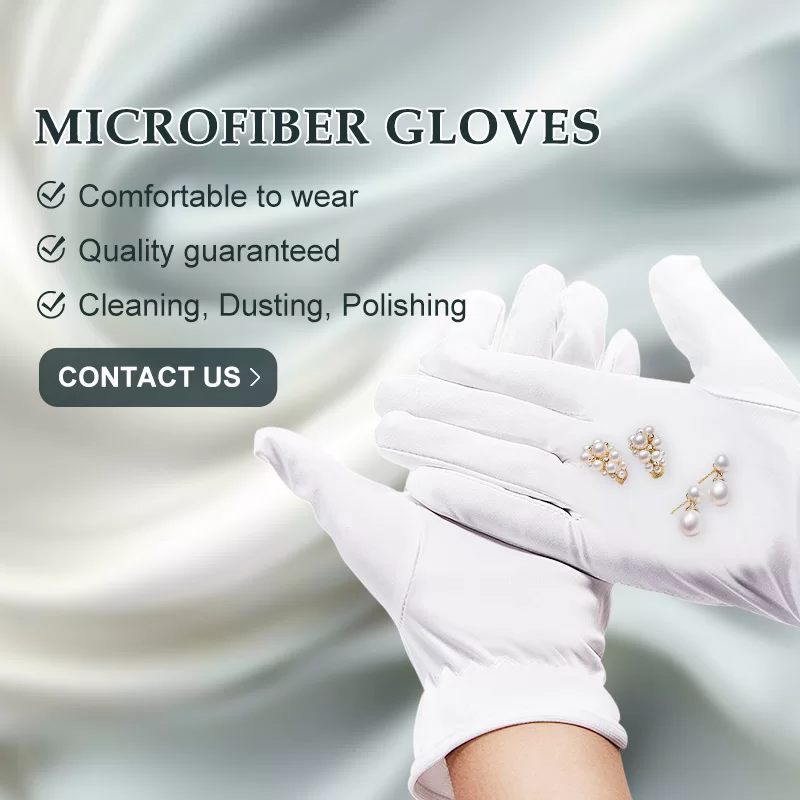
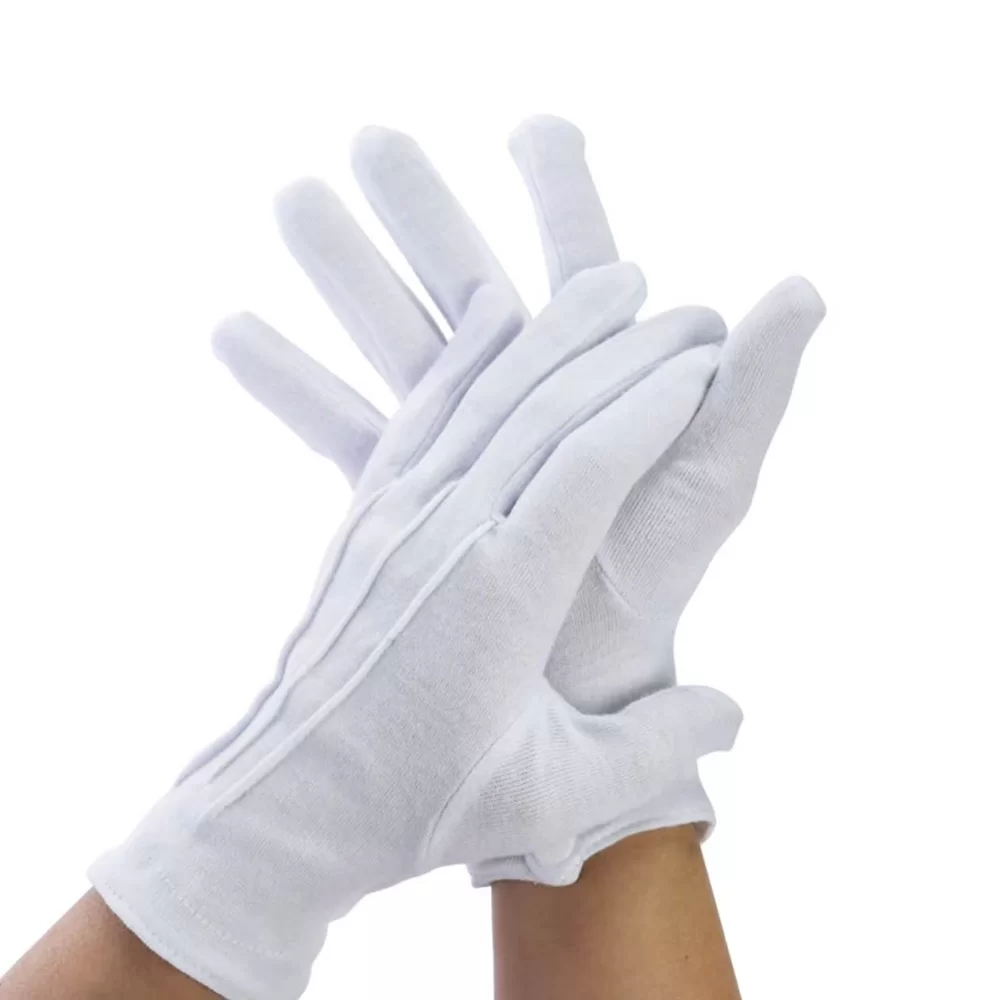
Simply put, a microfibre cleaning mitt is a glove-shaped cleaning accessory made from super-fine synthetic fibers — usually polyester and polyamide blends. The fibers’ small diameter creates a massive surface area that picks up dust, oils, and liquid residues much better than cotton or sponge alternatives.
Industries from healthcare to automotive maintenance rely on them for their ability to trap contaminants without scratching surfaces or requiring heavy chemical use. Plus, their design lets users clean nooks and crannies with dexterity—far superior to flat cloths in some scenarios.
Four Core Components that Define the Microfibre Cleaning Mitt Experience
1. Durability
Good mitts are built to last through dozens, sometimes hundreds of washing cycles without losing their fiber integrity. This longevity means fewer replacements, less waste, and better total cost of ownership.
2. Absorbency & Cleaning Efficiency
The synthetic fibers retain water and cleaning solutions unusually well — which means more dirt is lifted in fewer passes. It also means less dripping and less cleaning solution used.
3. Fit & Ergonomics
Hand shape and fibre flexibility are key. Mitts that fit snugly allow the cleaner to reach tricky spots and prevent slippage during vigorous scrubbing or polishing tasks.
4. Eco-Friendliness
Manufacturers increasingly incorporate recycled materials and safer production methods. And because microfibre mitts reduce chemical and water use, they contribute indirectly to sustainability targets.
| Specification | Typical Values |
|---|---|
| Material Composition | 80% Polyester, 20% Polyamide |
| Fiber Diameter | |
| Dimensions | 25cm x 18cm (average mitt size) |
| Washing Temperatures | Up to 60°C recommended |
| Lifespan | Up to 300 washes |
How Industries Worldwide Are Embracing Microfibre Cleaning Mitts
From sprawling hospitals in Germany to bustling food processing plants in Japan, the microfibre cleaning mitts have become a staple. Oddly enough, humanitarian agencies in post-disaster zones have adopted them where water is scarce, and swift, thorough cleaning means fewer infections and complications.
Even precision-driven sectors like aerospace manufacturing use them for delicate surface cleaning — dirt or particles can wreck expensive components. And in remote mining camps, where resupply is intermittent, their reusability and efficiency reduce waste and cost.
microfibre cleaning mitt suppliers find that sectors in Europe and Asia Pacific lead adoption, while North American industries accelerate in sectors like healthcare and automotive.
Long-Term Advantages: The Real Value Behind These Mitts
- Cost Savings: Fewer replacements and reduced chemical use add up substantially over time.
- Sustainability: Less water and harsh chemicals mean these mitts align well with environmental stewardship goals.
- Hygiene & Safety: They trap bacteria and allergens more effectively, reducing cross-contamination risks.
- Worker Comfort & Trust: Lightweight and easy to use, many cleaners report less hand fatigue and better confidence in cleaning results.
Looks Like the Future Is Bright — Here’s What’s Next
Emerging trends point to bio-based microfibres—perhaps sourced from bamboo or recycled plastics—making these mitts even greener. Smart textiles, with embedded sensors to detect dirt load or fiber wear, could soon notify users when replacement is due, optimizing hygiene and longevity.
On the policy front, stricter regulations on chemical cleaners bolster demand for effective microfiber solutions. Digital transformation in inventory and procurement systems also aids facilities managers in adopting and tracking their use.
Challenges and How Industry Is Responding
Of course, they're not perfect. Some mitts shed fibers prematurely, raising concerns about microplastics pollution. Variations in quality can leave consumers overwhelmed — not all mitts are created equal.
To tackle this, some vendors now specialize in low-shed fibers certified by independent labs. Others offer clear washing and usage guidelines to prolong product life and reduce microfiber release during laundering.
| Vendor | Fiber Quality | Eco Credentials | Price per Unit | Bulk Supply Capacity |
|---|---|---|---|---|
| HMD Gloves | High, low-shed certified | Recycled fibers, eco-packaging | $4.50 | 100,000 units/month |
| FiberClean Pro | Medium, some shedding | Standard polyester blend | $3.20 | 60,000 units/month |
| EcoMitts Ltd | High | Bamboo-derived fibers, biodegradable | $5.10 | 25,000 units/month |
FAQ: Common Questions About Microfibre Cleaning Mitts
- How often should I replace a microfibre cleaning mitt?
- Generally, a quality mitt should last around 300 washes if cared for properly—usually laundering at 60°C without fabric softeners. Replace it once you notice it losing absorbency or fiber breakdown.
- Can microfibre cleaning mitts be used with chemicals?
- Yes, they’re compatible with many detergents and disinfectants, but it’s best to avoid bleach or fabric softeners as these degrade fibers and reduce effectiveness.
- Are microfibre cleaning mitts eco-friendly?
- Their lower water and chemical use make them more sustainable than disposable wipes. However, synthetic fibers can release microplastics if not washed properly, so responsible laundering is crucial.
- What surfaces are safe to clean with these mitts?
- They work great on glass, stainless steel, painted surfaces, and delicate electronics — their soft texture protects against scratches while effectively lifting grime.
Conclusion: Why Your Cleaning Arsenal Needs a Microfibre Cleaning Mitt
If you’re aiming for cleaner spaces, lower environmental impact, and cost-effectiveness, then the microfibre cleaning mitt is a small investment with outsized returns. Its smart design and proven efficiency can make tedious cleaning jobs easier and more reliable — whether in an industrial setting or your home.
Want to explore more about microfibre cleaning mitts and find quality options? Visit our website: https://www.hmdglove.com — your next great cleaning partner awaits.
Mini Takeaway
The microfibre cleaning mitt isn’t just a cleaning tool; it's a quietly revolutionary product that meshes innovation with practical need. With the planet pushing for greener solutions and industries demanding smarter, healthier workplaces, it’s brilliant how such a simple product can make a big difference.