
lbanner
0%

Table of Contents

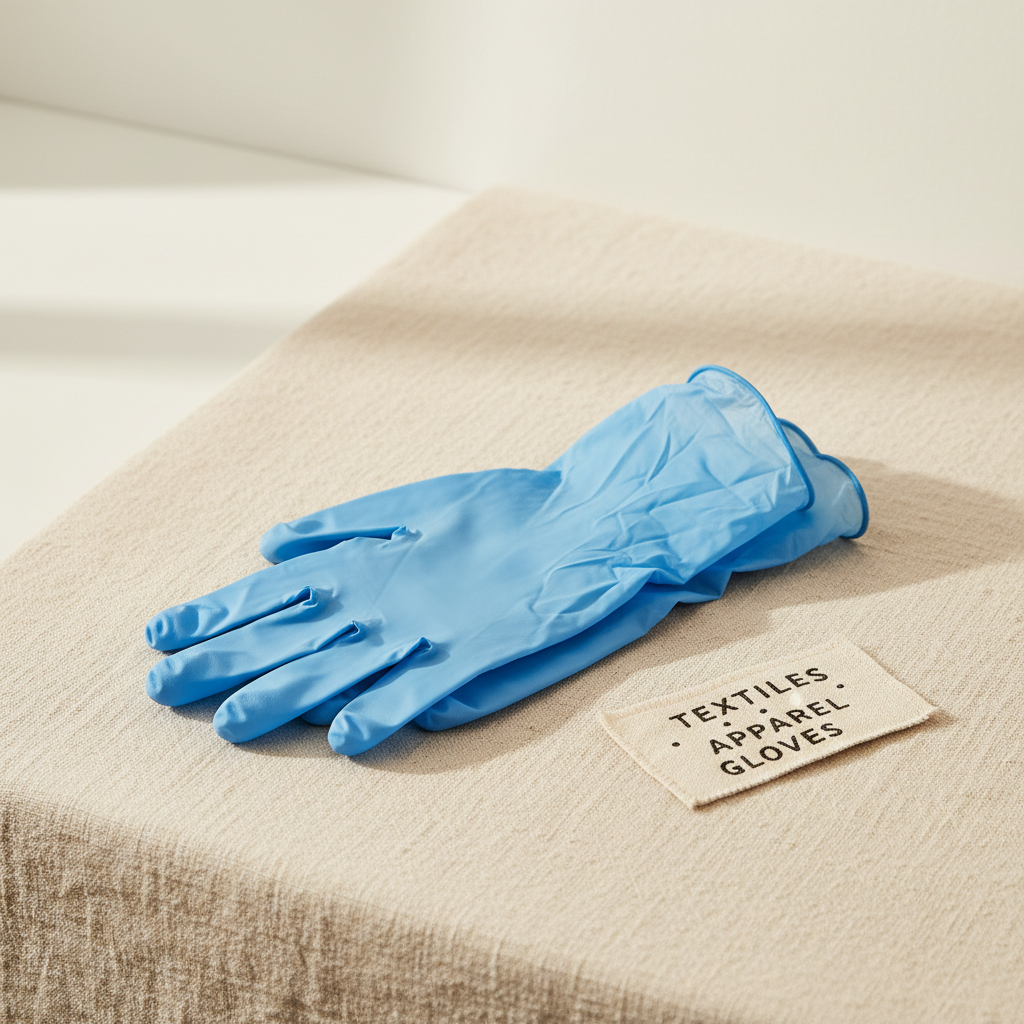
In the stringent environments of semiconductor fabrication and pharmaceutical compounding, the integrity of personal protective equipment is non-negotiable. The adoption of cleanroom nitrile gloves has revolutionized how industries manage contamination, providing a critical barrier that prevents human skin cells, oils, and microscopic particles from compromising sensitive processes.

Unlike traditional latex or vinyl options, these specialized gloves are engineered to meet rigorous ISO cleanroom standards, ensuring that the material itself does not shed particles into the environment. For global manufacturers, implementing high-grade nitrile barriers is not just a safety protocol—it is a prerequisite for maintaining yield rates and ensuring the purity of high-value technological components.

Understanding the nuances of cleanroom-grade materials allows procurement managers and laboratory supervisors to balance dexterity with protection. By focusing on the specific chemical resistance and particulate levels of cleanroom nitrile gloves, organizations can significantly reduce the risk of batch failures and enhance the overall safety of their technical staff.
cleanroom nitrile gloves

The Global Significance of Cleanroom Nitrile Gloves
cleanroom nitrile gloves

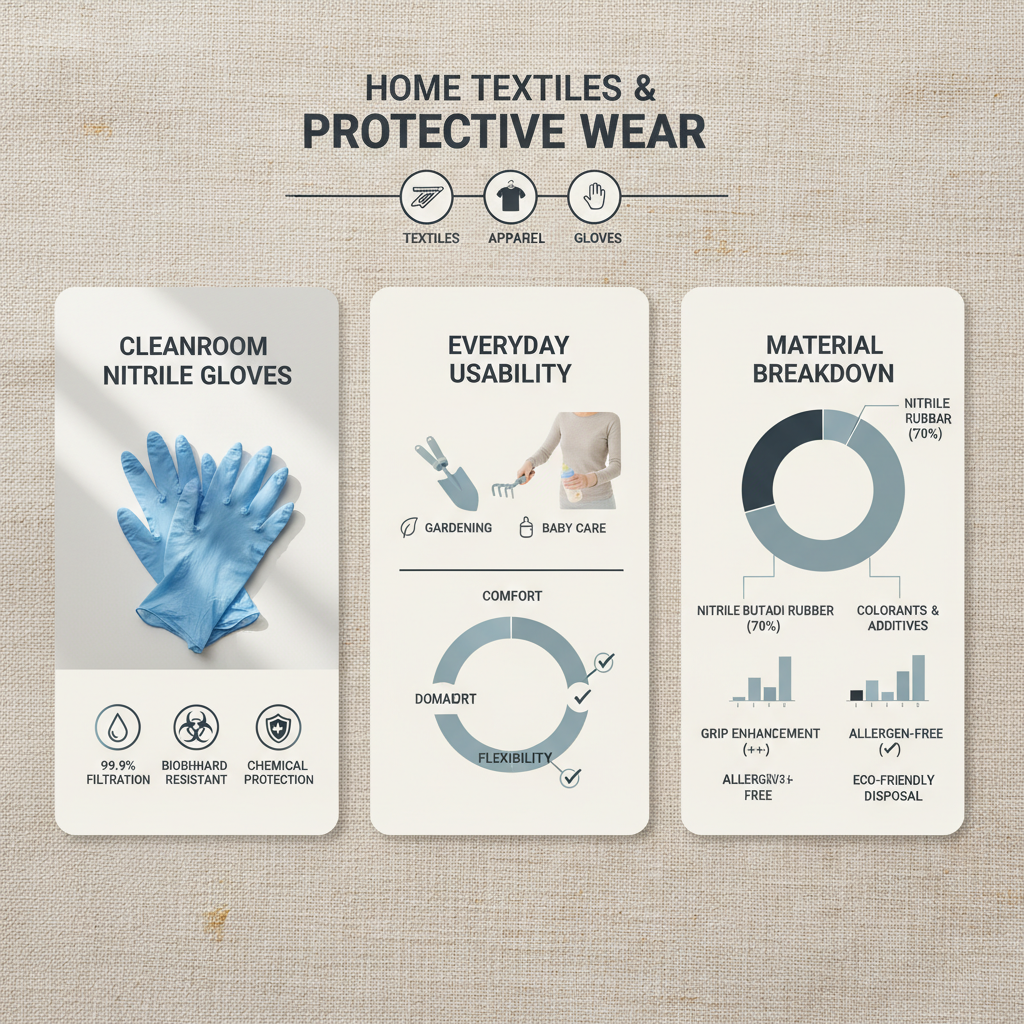
The demand for cleanroom nitrile gloves has surged globally, driven by the exponential growth of the semiconductor and biotech sectors. According to ISO 14644 standards, controlling particulate contamination is essential for the viability of micro-electronics; even a single micron-sized particle can render a silicon wafer useless. This has pushed the industry toward synthetic nitrile polymers that offer superior consistency and purity compared to natural rubber.

Furthermore, the global shift away from latex due to Type I allergy concerns has made nitrile the gold standard. In highly regulated environments, the ability to guarantee a latex-free environment while maintaining high chemical resistance ensures that both the worker and the product remain protected from unexpected reactions or contamination events.

Defining Technical Standards for Cleanroom Nitrile Gloves

At its core, cleanroom nitrile gloves are specialized PPE manufactured from a synthetic acrylonitrile-butadiene rubber. Unlike standard industrial gloves, cleanroom versions undergo an extensive cleaning process—often including ultrasonic washing and vacuum packaging—to remove any residual manufacturing agents, powders, or particulates that could be released during use.

These gloves are categorized by their "class" rating (e.g., Class 10, Class 100), which indicates the maximum allowable number of particles per cubic foot of air. This technical distinction is vital because it aligns the PPE with the specific cleanliness requirements of the facility, ensuring that the gloves do not become a source of contamination themselves.

Beyond particulate control, the "nitrile" component provides a critical balance of elasticity and toughness. This ensures that the gloves can withstand the physical rigors of assembly work without tearing, which would otherwise expose the cleanroom environment to hazardous human contaminants.

Core Components of High-Performance Nitrile Barriers

The efficacy of cleanroom nitrile gloves depends heavily on material purity. The polymerization process must be strictly controlled to eliminate impurities that could outgas or leach into a sensitive chemical process, making the chemical composition of the synthetic rubber a primary factor in quality control.

Another core component is the surface finish and tactile sensitivity. High-end cleanroom nitrile gloves are designed with a textured grip or a smooth finish depending on the application, allowing technicians to handle microscopic components with precision while maintaining a secure hold on tools.

Finally, the durability and puncture resistance of the glove are paramount. In a cleanroom, a pinhole leak is a catastrophic failure. Therefore, advanced quality testing, such as water leak tests and air-pressure testing, is integrated into the production of nitrile barriers to ensure 100% integrity.

Practical Applications and Industrial Use Cases

In real-world scenarios, cleanroom nitrile gloves are indispensable in the aerospace industry, where the assembly of satellite components requires an environment free of organic oils. A single fingerprint on a lens or a sensor can cause a failure in space, making high-purity nitrile gloves a critical component of the quality assurance chain.

Similarly, in pharmaceutical "clean-rooms," these gloves protect sterile injectable drugs from human contamination while shielding the pharmacist from potent active pharmaceutical ingredients (APIs). From the laboratories of Singapore to the manufacturing hubs of Germany, the reliance on standardized nitrile barriers ensures global consistency in medical safety.

Performance Comparison of Cleanroom Glove Materials

Long-Term Value and Operational Advantages

Investing in premium cleanroom nitrile gloves offers tangible long-term value by reducing the rate of product defects. While the per-unit cost of cleanroom-grade nitrile may be higher than standard industrial gloves, the cost of a single contaminated batch in a semiconductor fab can reach millions of dollars, making high-quality PPE a cost-saving measure.

Moreover, the transition to nitrile improves employee well-being and retention by eliminating latex allergy risks. This promotes a culture of safety and trust, where technicians can focus on precision tasks without the distraction of skin irritation, ultimately enhancing operational reliability and innovation speed.

Future Innovations in Glove Material Science

The future of cleanroom nitrile gloves is leaning toward "smart" materials and sustainable chemistry. Researchers are exploring bio-based nitrile alternatives that maintain the same barrier properties but reduce the carbon footprint of the manufacturing process, aligning with global ESG (Environmental, Social, and Governance) goals.

Digital transformation is also impacting the supply chain, with the introduction of RFID-tracked packaging to ensure the provenance and sterilization date of each glove batch. This adds an extra layer of security for highly regulated industries that require absolute traceability.

Additionally, we are seeing the development of nano-coatings that can be applied to the surface of nitrile gloves to further reduce the coefficient of friction or increase chemical resistance to specific solvents, allowing for even more specialized applications in next-generation nanotech.

Overcoming Challenges in Cleanroom Glove Deployment

One of the primary challenges in using cleanroom nitrile gloves is the trade-off between thickness (protection) and dexterity (precision). If a glove is too thick, the technician loses the "feel" required for micro-assembly; if it is too thin, the risk of accidental punctures increases. The solution lies in advanced polymer blending, which allows for high tensile strength at lower gauges.

Another limitation is the electrostatic discharge (ESD) risk associated with some synthetic materials. To solve this, manufacturers are integrating conductive carbon particles into the nitrile matrix, creating ESD-safe cleanroom nitrile gloves that protect sensitive electronic circuits from static shocks.

Finally, the logistical challenge of maintaining sterility during the donning process is addressed through innovative "easy-on" packaging and training protocols. By optimizing the way gloves are dispensed and worn, facilities can ensure that the purity of the glove is not compromised before it even enters the clean zone.

Comparative Analysis of Cleanroom Nitrile Glove Specifications

Glove Grade Particulate Level Chemical Resistance ESD Protection
Ultra-Pure Class 10 Extremely Low High Integrated
Standard Class 100 Low Medium-High Optional
Industrial Clean Moderate Medium None
ESD-Specialized Low High Maximum
Chemical-Resistant Moderate Maximum None
General Lab Grade Medium Low-Medium None

FAQS

What makes cleanroom nitrile gloves better than standard nitrile gloves?

Cleanroom nitrile gloves undergo a rigorous multi-stage cleaning and validation process to remove particulates and chemical residues. While standard gloves are designed for general protection, cleanroom versions are tested to meet ISO standards, ensuring they do not shed particles that could contaminate sensitive electronic or medical products.

Can I use cleanroom nitrile gloves for chemical handling?

Yes, nitrile is naturally resistant to many chemicals, including oils and solvents. However, you should check the specific breakthrough time for the chemical you are using. Some cleanroom gloves are optimized for purity over extreme chemical resistance, so always verify the technical data sheet for your specific application.

How do I know if my cleanroom gloves are ESD-safe?

ESD-safe cleanroom nitrile gloves usually contain carbon black or other conductive additives to bleed off static charges. Look for "ESD" or "Conductive" on the packaging and verify that the gloves meet ANSI/ESD S20.20 standards to ensure they are safe for use with sensitive circuitry.

What is the difference between powdered and powder-free cleanroom gloves?

In a cleanroom environment, powder is strictly forbidden because it represents a massive source of particulate contamination. Therefore, almost all cleanroom nitrile gloves are powder-free. Powder-free versions use specialized polymers or coatings to ensure the glove is easy to don without the need for cornstarch.

How often should cleanroom gloves be replaced during a shift?

Replacement frequency depends on the ISO class of your room and the nature of the work. Generally, gloves should be changed whenever they show signs of wear, after contact with potential contaminants, or after a set period (e.g., every 2-4 hours) to prevent "sweat-out" and maintain the integrity of the barrier.

Are these gloves compatible with other cleanroom apparel?

Yes, cleanroom nitrile gloves are designed to work seamlessly with cleanroom gowns, smocks, and hoods. Many are designed with a longer cuff to ensure a secure seal under the sleeve of a cleanroom suit, preventing skin exposure and particulate leakage at the wrist.

Conclusion

The strategic implementation of cleanroom nitrile gloves is a cornerstone of modern precision manufacturing. By combining material purity, chemical resistance, and particulate control, these gloves protect the delicate balance between human operation and high-tech production. From reducing defect rates in semiconductors to ensuring the sterility of pharmaceuticals, the value of high-grade nitrile barriers extends far beyond simple hand protection—it is an investment in quality and safety.

As we move toward an era of nanometer-scale engineering and bio-integrated technology, the requirements for contamination control will only become more stringent. Organizations that prioritize the highest standards of PPE and stay abreast of innovations in material science will be best positioned to lead in their respective fields. For those seeking the ultimate in purity and performance, we invite you to explore our professional range. Visit our website: www.hmdglove.com

Robert Thompson

Robert Thompson

Robert Thompson serves as the Business Development Manager at Shijiazhuang HongMeiDa Trading Co., Ltd. He is responsible for expanding our market reach and fostering strong relationships with international clients. With a background in international trade and a strong understanding of the glove industry, Robert focuses on showcasing HongMeiDa's competitive advantages – including our large-scale production capacity, cost-effective manufacturing location in Northern China, and commitment to quality. Robert frequently attends industry trade shows and conferences, presenting our diverse range of gloves (cotton, nylon, fleece, wedding gloves and more) and highlighting our ability to provide customized solutions. He is a key contact for new partnerships and collaborations.
Previous The Essential Role of Dusting Mitts in Maintaining Cleanliness and Quality Control

If you are interested in our products, you can choose to leave your information here, and we will be in touch with you shortly.