


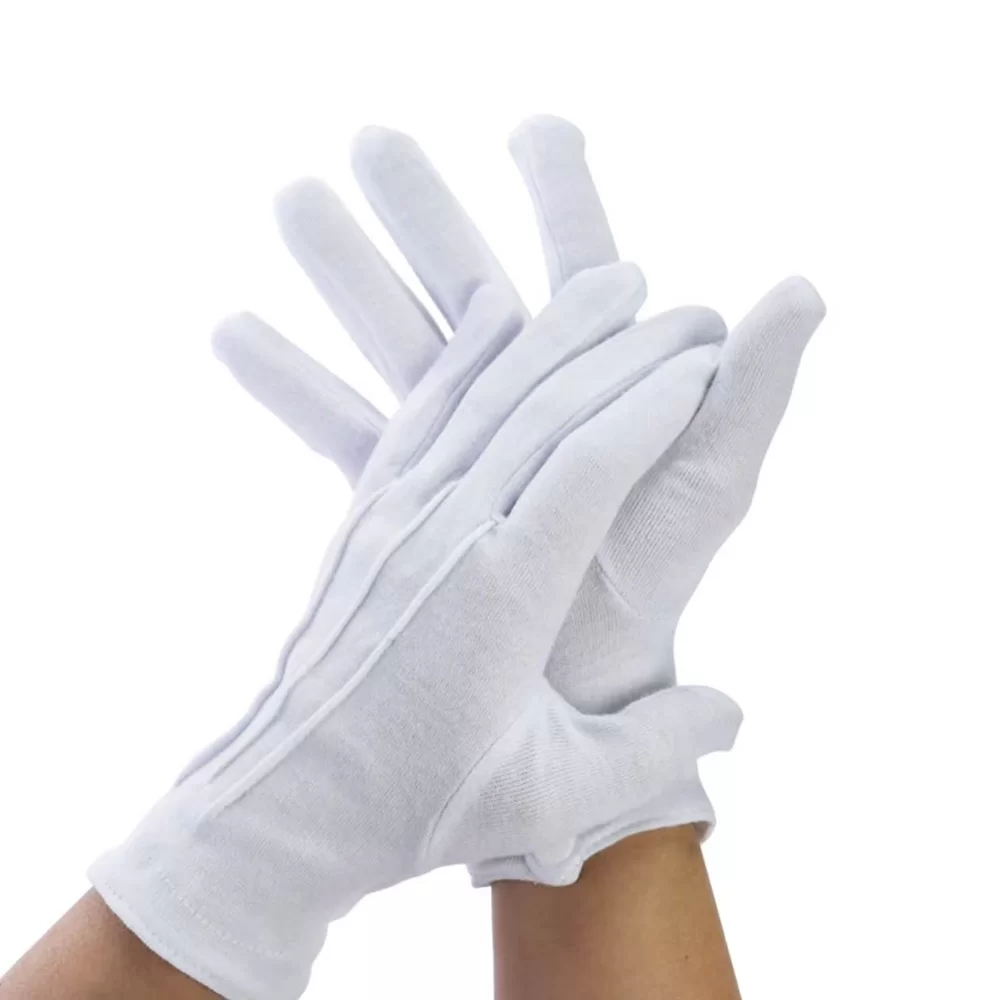

Advanced Protection Solutions for riding gloves black in Sri Lanka

Integrating high-performance textile engineering with Sri Lankan industrial needs to deliver unmatched durability and precision.

Advanced Protection Solutions for riding gloves black in Sri Lanka

Providing cutting-edge technical textiles and hand protection designed for the diverse industrial and climatic landscape of Sri Lanka.

The Current Landscape of Technical Textiles in Sri Lanka

Analyzing the intersection of humidity, industrial growth, and protective gear requirements.

Sri Lanka's manufacturing sector, particularly in apparel and industrial textile production, faces unique challenges due to the tropical climate. The high humidity levels demand materials like microfiber gloves that offer breathability without compromising the structural integrity required for heavy-duty industrial use.

In the logistics and transport sectors, there is a surging demand for specialized gear. The prevalence of motorcycle transport has led to an increased need for riding gloves black, which must balance UV resistance with abrasion protection to withstand the intense South Asian sun and urban road conditions.

Furthermore, the local market is shifting toward hybrid utility. While industrial safety remains a priority, there is a growing niche for gloves formal that provide a professional aesthetic for corporate site visits while maintaining the protective properties of industrial-grade synthetic fibers.

Evolution and Trajectory of Protective Handwear

From traditional cotton weaves to high-tech synthetic polymers.

Market Development History

Prior to 2010, the Sri Lankan industrial market relied heavily on basic cotton and low-grade leather. These materials often failed in high-moisture environments, leading to rapid degradation and frequent replacement cycles in the textile manufacturing plants.

Between 2010 and 2020, the introduction of polymer-blended fabrics revolutionized the sector. The adoption of microfiber technology allowed for the creation of short formal gloves and technical gear that were lighter, stronger, and more resistant to chemical pollutants common in dye houses.

Entering the 2020s, the focus shifted toward specialized ergonomics. The market evolved to include thermal regulation for highland regions, introducing warm riding gloves tailored for the cooler temperatures of Nuwara Eliya and the central highlands.

Future Development Trends

Smart Fiber Integration

We anticipate the integration of conductive threads into industrial gloves to allow for seamless interaction with digital control panels without removing protective gear.

Biodegradable Synthetics

Driven by global ESG standards, the next 3 years will see a shift toward recycled polyesters and biodegradable microfiber alternatives to reduce the environmental footprint in Sri Lankan waterways.

Nano-Coating Technology

The application of hydrophobic nano-coatings will become standard, ensuring that protective gear remains dry and functional during the monsoon seasons.

Industry Trends and Future Outlook

Strategic forecasting for the Sri Lankan industrial textile market.

Eco-Textile Shift
Transitioning to GRS-certified recycled materials to meet international export requirements for the apparel industry.
Ergonomic Precision
Utilizing 3D knitting technology to reduce material waste and improve fit for diverse hand morphologies.
Climate Adaptation
Developing moisture-wicking fabrics that prevent skin irritation in high-humidity coastal zones.
Automated Manufacturing
Increasing the use of AI-driven quality control to ensure zero-defect production for export markets.

Industry Outlook

Based on search trends in the Asia-Pacific region, there is a growing demand for "hybrid protective wear." We expect Sri Lankan manufacturers to pivot toward products that offer dual-functionality—such as apparel that is both industrial-safe and aesthetically suitable for the modern workforce.

The integration of technical textiles into the broader "Industry 4.0" framework will likely see a 15% year-on-year growth in the adoption of smart fabrics, positioning Sri Lanka as a hub for specialized industrial handwear in South Asia.

Localized Application Scenarios in Sri Lanka

Real-world deployment of high-performance textiles across various Sri Lankan sectors.

1. Tea Plantation Machinery Maintenance

Workers in the highlands utilize reinforced warm riding gloves to protect against cold morning temperatures and the abrasive nature of tea processing machinery.

2. Colombo Urban Logistics

Courier services operating within the capital utilize riding gloves black to ensure grip and safety during heavy traffic and varying weather conditions.

3. Precision Garment Assembly

In the export-oriented apparel zones, microfiber gloves are used to prevent oil contamination on high-end fabrics during the final inspection phase.

4. Corporate Industrial Site Tours

Executives visiting manufacturing facilities employ gloves formal to maintain a professional image while adhering to strict safety protocols in hazardous zones.

5. Boutique Hospitality Service

High-end resorts in the coastal regions utilize short formal gloves for specialized event management and luxury service presentations.

Brand Story

Global Development Process of Shijiazhuang Hongmeida Trading Co., Ltd.

Foundational Excellence

Established with a focus on industrial textile precision, we began by solving the core durability issues of basic protective handwear.

Material Innovation

We pioneered the use of advanced synthetic blends to replace heavy leathers, reducing fatigue for workers in tropical climates.

Global Expansion

Extending our reach to Asia, we tailored our production lines to meet the specific humidity and heat challenges of the Sri Lankan market.

Quality Standardization

Achieved international certifications that allow our technical textiles to be used in the world's most demanding manufacturing environments.

Sustainable Future

Now focusing on circular economy textiles, ensuring our growth contributes positively to the global environment.

Comprehensive Protective Product Portfolio for Sri Lanka

A curated selection of technical handwear designed for industrial, commercial, and personal safety.

Industrial Handwear FAQs for the Sri Lankan Market

Expert answers to common technical and procurement questions.

How do microfiber gloves perform in high humidity?

Our microfiber textiles are engineered with moisture-wicking properties that prevent sweat accumulation, making them ideal for the humid climate of Sri Lanka.

Are riding gloves black suitable for long-distance travel in South Asia?

Yes, the black pigment is treated with UV-stabilizers to prevent fading and material degradation under intense sunlight while providing maximum abrasion resistance.

What is the benefit of warm riding gloves in the Central Highlands?

In regions like Nuwara Eliya, thermal insulation is critical. Our warm gloves use trapped-air technology to maintain hand temperature without adding excessive bulk.

Can gloves formal be used in industrial safety environments?

Our formal line integrates industrial-grade synthetic fibers, allowing users to maintain a professional look without sacrificing basic safety standards.

What makes short formal gloves better for hospitality services?

The shorter cuff allows for greater wrist mobility and breathability, which is essential for staff working in luxury venues across Sri Lanka.

How to maintain synthetic industrial gloves in tropical weather?

We recommend air-drying in shaded areas to avoid direct UV damage and using mild detergents to preserve the microfiber's structural elasticity.

Consult Our Technical Experts

Ready to upgrade your industrial protection standards in Sri Lanka? Our team is here to provide customized textile solutions.

Contact Us Now

If you are interested in our products, you can choose to leave your information here, and we will be in touch with you shortly.