Warm Horse Riding Gloves – Essential Gear for Comfortable and Safe Riding
Warm Horse Riding Gloves: Essential Gear for Comfort and Safety
If you’ve ever spent a chilly morning in the saddle, you know that warm horse riding gloves aren’t just a luxury—they’re a necessity. Across the globe, riders depend on gloves that keep hands nimble and protected, even in biting cold or wet conditions. Beyond comfort, these gloves improve grip, prevent blisters, and enhance control, which directly affects both safety and performance. Understanding what makes a good pair of warm horse riding gloves can transform the riding experience, whether you’re an amateur weekend rider or a professional equestrian.
Why Warm Horse Riding Gloves Matter Globally
Horse riding is a global pastime and profession, practiced across varied climates—from the cold steppes of Mongolia to the damp highlands of Scotland. According to the Food and Agriculture Organization (FAO), millions worldwide rely on horses for work, transport, and sport. Unfortunately, cold-weather conditions can expose riders’ hands to numbness and injury, compromising effectiveness and safety. Warm horse riding gloves address this by blending insulation and dexterity, helping riders maintain control when they need it most.
Oddly enough, in professional circles, inadequate hand protection is often overlooked, even though poor glove choice can lead to chronic discomfort or decreased reaction times. That's where quality gloves come in, reducing injury risk for riders everywhere.
What Are Warm Horse Riding Gloves?
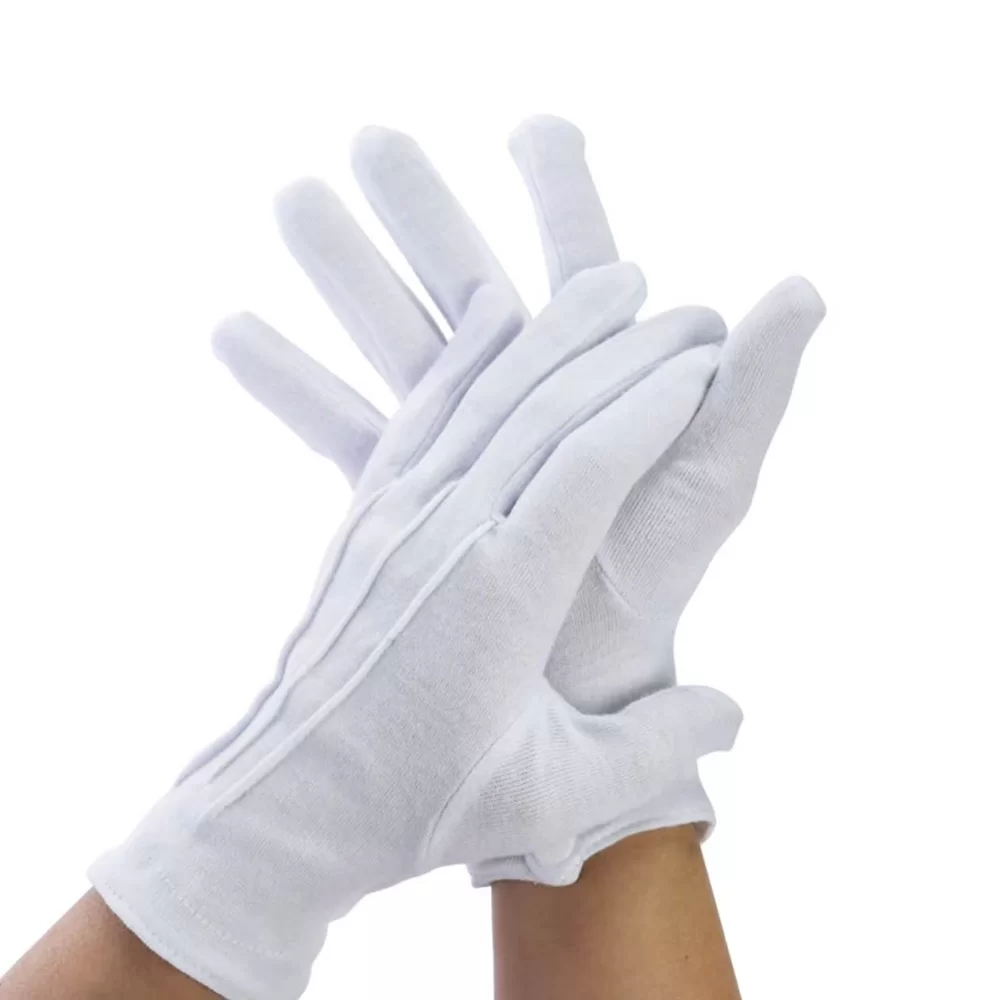
Simply put, warm horse riding gloves are specialized handwear designed to provide insulation and grip specifically tailored for equestrian activities. They differ from regular gloves by focusing on tactile sensitivity, waterproofing, and flexibility, ensuring riders can hold reins securely without sacrificing hand warmth.
These gloves have become vital in modern equestrian industries as well as rural farming communities, where horses remain indispensable. They also serve humanitarian needs; for instance, in colder regions, stable workers and rescue teams wearing them can work longer and more safely.
Core Aspects of Warm Horse Riding Gloves
1. Insulation
Effective insulation materials like fleece, Thinsulate, or synthetic wool keep hands warm even when temperatures drop below freezing. But oddly enough, it’s not just about warmth—too much bulk and you lose dexterity.
2. Grip and Material
Subtle textures or silicone grips on palms and fingers help riders maintain control of reins, especially when sweating or in wet weather. Materials like leather, neoprene, or breathable synthetics balance grip with flexibility.
3. Waterproofing
Many gloves incorporate waterproof membranes (e.g., Gore-Tex or proprietary tech) to prevent rain or sweat from soaking through, yet allow moisture vapor out, so hands don’t get clammy.
4. Durability
Gloves experience wear from friction and frequent use, so durable stitching and abrasion-resistant materials are crucial to long-lasting performance. Reinforced finger patches are common.
5. Fit and Comfort
A snug, ergonomic fit that still allows finger mobility helps riders react quickly in demanding situations. Some styles offer touch-screen compatibility, which is a nice-to-have nowadays.
Mini takeaway: The best warm horse riding gloves balance warmth, dexterity, grip, and durability—no easy feat but critical for rider success.
Product Specifications: A Quick Comparison
| Feature | Classic Leather Glove | Thermal Fleece Lined | Waterproof Neoprene |
|---|---|---|---|
| Insulation | Light | High | Moderate |
| Grip | Excellent | Good | Very Good |
| Water Resistance | Low | Moderate | High |
| Durability | High | Moderate | High |
| Price Range | $$ | $ | $$$ |
Global Applications and Use Cases
Warm horse riding gloves have significance far beyond recreational riding. In colder regions like Scandinavia or North America, agricultural workers employing horses for logging or transportation rely on these gloves during harsh winters. Similarly, police mounted units operating in urban environments value gloves that combine protection with a professional look.
In humanitarian contexts, organizations providing equine-assisted therapy or rescue services benefit when staff have reliable handwear for prolonged outdoor use. Imagine first responders in cold climates leading horses for evacuation—having gloves that don’t lose grip or warmth can literally save lives.
Even traditional horse cultures, such as the Kazakh herders of Central Asia, seek durable designs that can handle dust, extreme temperature swings, and extended use.
Mini takeaway: Warm horse riding gloves serve diverse communities worldwide—from industry workers to therapists—highlighting their essential role in global equestrian culture.
Advantages and Long-Term Value
- Enhanced Safety: Maintaining dexterity reduces the risk of reins slipping or hand injuries.
- Comfort and Warmth: Long rides in the cold become bearable, improving rider endurance.
- Durability: Investing in quality gloves reduces frequent replacements, cutting costs.
- Social Impact: When stable workers have proper gloves, work satisfaction and health improve.
- Innovation: New materials offer sustainable, recyclable options, aligning with eco-conscious markets.
In real terms, these benefits combine to boost rider confidence and create a more sustainable equestrian ecosystem.
Future Trends and Innovations
Fashion and function are merging with technology here. Smart gloves embedded with sensors can track hand movements to help trainers analyze rider technique or even monitor health markers during rides. On the materials front, biodegradable and recycled fabrics aim to reduce environmental footprint—an important step given ISO’s growing emphasis on sustainable manufacturing.
Thermal regulation technologies that adapt dynamically to outside temperature, or incorporate green energy warmth sources (like battery-powered heating elements), may soon become common in premium gloves. Plus, custom 3D printing for perfect ergonomic fits might be just around the corner.
Challenges and Solutions
One tricky aspect is balancing warmth without losing hand mobility. Gloves that are too bulky can make fine rein control difficult. Also, waterproofing sometimes sacrifices breathability, causing sweaty discomfort.
Experts recommend modular gloves with removable liners—wear the insulation when it’s cold, strip it off when warm. Also, hybrid materials combining stretch and waterproof membranes can help.
For those concerned with cost, surprisingly effective DIY options involving layering gloves or using glove warmers exist, but naturally they can't replace a well-designed product.
FAQ: Frequently Asked Questions About Warm Horse Riding Gloves
- What materials are best for warm horse riding gloves?
- Look for gloves combining insulated linings (like Thinsulate) with durable, grippy outer layers such as leather or silicone-treated synthetics. Waterproof membranes increase versatility in wet weather.
- How do I choose the right size and fit?
- Measure your hand circumference around the knuckles (without thumb) and refer to manufacturer size charts. Gloves should fit snugly but not constrict; finger mobility is key.
- Can warm horse riding gloves be machine washed?
- It depends on the glove. Many leather gloves require hand cleaning, while synthetic or fleece-lined gloves often tolerate gentle machine washing. Always check care instructions to maintain glove integrity.
- Are warmer gloves less sensitive to touch?
- Some certainly are—bulkier insulation can reduce tactile feedback. Choosing gloves designed specifically for riding usually ensures a good balance, maintaining grip and control even when warm.
- Where can I buy reliable warm horse riding gloves?
- Specialist equestrian suppliers, outdoor gear retailers, and online stores like warm horse riding gloves offer great selections tailored to various climates and budgets.
Vendor Comparison: Leading Warm Horse Riding Gloves Providers
| Brand | Material | Waterproof | Price Range | Special Features |
|---|---|---|---|---|
| EquiWarm Pro | Leather + Thinsulate | No | $$$ | Ergonomic design, reinforced grip |
| FrostGrip | Neoprene + fleece lining | Yes (Gore-Tex) | $$$$ | Thermoregulating membrane, touchscreen fingertips |
| Classic Rider | Synthetic leather + fleece | Limited | $ | Affordable, machine washable |
Conclusion and Call to Action
In the grand scheme, warm horse riding gloves blend tradition with innovation, protecting hands so riders can focus on the journey ahead. Whether you’re braving winter trails or managing daily chores with horses in cold climates, the right gloves improve safety, comfort, and control. I’d say investing in a high-quality pair pays dividends in every ride.
To explore some of the best options tailored for various climates and needs, visit our website: warm horse riding gloves.
In short: the right gloves keep your hands warm, your reins steady, and your rides enjoyable—even when the weather turns against you.
- Food and Agriculture Organization of the United Nations (FAO). "Equestrian activities worldwide." FAO.org.
- International Organization for Standardization (ISO). "Standards for protective gloves." ISO.org.
- National Institute for Occupational Safety and Health. "Hand protection in cold environments." NIOSH.gov.