Jul 01, 2025 Nov 29 , 2025
Ultimate Guide to Cleaning Gloves Non Latex: Safety, Sustainability & Industry Trends
The Essential Guide to Cleaning Gloves Non Latex: Why It Matters Worldwide
Ever stopped to think about the gloves cleaning professionals wear every day? Well, cleaning gloves non latex are more than just a protective barrier — they’re a crucial frontline defense in global health, hygiene, and workplace safety. With growing concerns about allergies, environmental impact, and durability, understanding these gloves' role gives us a clearer view of modern industry and community well-being. Simply put, if you’ve ever felt trapped by the smell or feel of latex gloves, or worried about allergic reactions, then this topic is for you. Cleaning gloves without latex appeal globally because they address a fundamental challenge: how to keep hands safe and clean without harmful side effects or environmental costs. As industries push toward sustainability and inclusivity, these gloves are becoming standard issue across health sectors, hospitality, food service, and even household chores. Plus, their non-latex nature helps reduce allergy risks—something that affects roughly 1-6% of the population worldwide ([source](https://www.who.int)). ---The Global Context: Why Non Latex Cleaning Gloves Are Gaining Ground
You don’t need me to tell you the world struggles to maintain hygiene standards — especially in healthcare, food processing, and disaster relief sectors. According to the World Health Organization, personal protective equipment (PPE) demand surged during recent global health crises, exposing supply chain cracks and sensitivity around allergens in PPE materials. Non latex cleaning gloves have oddly become a sort of unsung hero here — the response to avoid allergic reactions caused by latex proteins (which can trigger asthma or dermatitis in some users). So the rise in their popularity correlates directly with expanding infection control policies worldwide and a push for inclusive workplace safety standards (ISO 11193-3). Also, with the UN’s Sustainable Development Goals emphasizing safe, healthy lives and decent work conditions, safer glove options are integral. Yet, managing to deliver gloves that are simultaneously durable, affordable, and allergy-free isn’t exactly straightforward; hence industry innovation around materials like nitrile, neoprene, and vinyl. ---What Are Cleaning Gloves Non Latex? Breaking It Down Simply
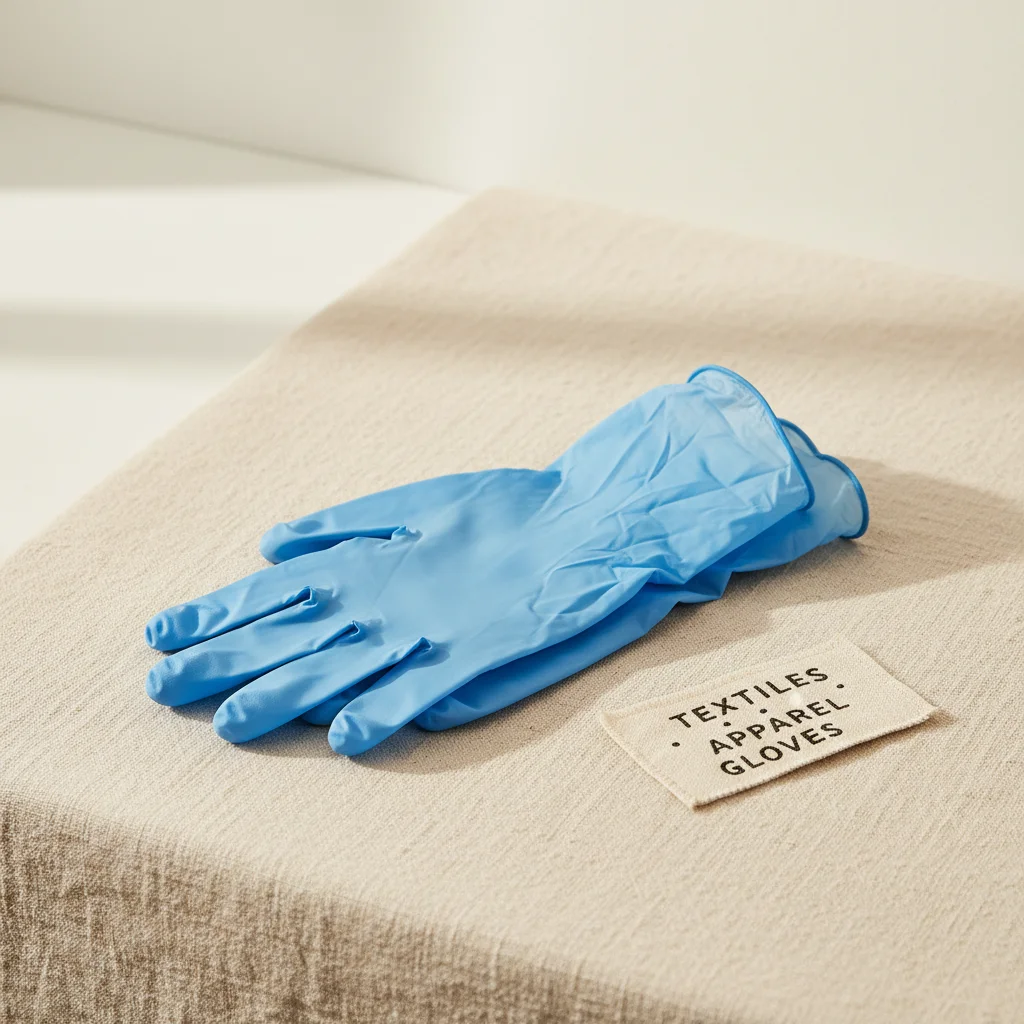
In case you’re wondering: non latex cleaning gloves are protective hand coverings made from synthetic materials rather than natural rubber latex. The key appeal? They avoid the risk of latex allergy while protecting hands from chemicals, bacteria, and dirt during cleaning or industrial work. Think of them as the next-gen gloves—designed not just to shield but also to be more flexible and sometimes eco-friendly. Their application extends beyond traditional janitorial work into food preparation, healthcare, laboratories, and even home use. They’re often made from nitrile (synthetic rubber), neoprene, or vinyl — all chosen based on the level of protection and flexibility needed. ---Key Factors Defining Non Latex Cleaning Gloves
1. Durability and Chemical Resistance
Different jobs call for different strengths. Nitrile gloves, for example, boast solid resistance against oils, solvents, and many chemicals, often outperforming latex in puncture resistance. So if you’re handling detergents or harsh cleaning agents, these gloves tend to last and keep the skin safe.2. Allergic Safety
This is the main reason people switch away from latex. Latex allergies can cause itching, respiratory issues, or worse. Non latex gloves eliminate that concern, making environments safer for employees, especially in hospitals or food production lines.3. Fit and Comfort
Earlier versions of non latex gloves felt stiff or clumsy, but recent advances have improved tactile sensitivity. That’s crucial for tasks requiring dexterity—think lab work or intricate cleaning tools.4. Environmental Impact
Oddly enough, while latex is biodegradable, some synthetic materials are not — vinyl’s notorious here. But many manufacturers now offer biodegradable nitrile or recyclable neoprene, aiming to balance eco-friendliness with practicality.5. Cost Effectiveness
Non latex gloves are sometimes pricier than latex—but prices are variable, depending on quality and quantity. Many businesses find the allergy risk justifies extra spend, particularly given potential liability costs. ---Where Are Cleaning Gloves Non Latex Used Globally?
These gloves have found niches everywhere, really. In hospital settings across North America and Europe, nitrile gloves have largely replaced latex due to stringent allergy protocols. Food processing plants in Asia prioritize vinyl gloves for hygiene compliance, given their disposability and low cost. In humanitarian disaster zones across Africa or South America, relief workers deploy durable neoprene gloves when handling hazardous debris or chemicals. A little story I recall: A cleaning team in a major European hospital switched to nitrile gloves after several staff reported itchy hands and respiratory distress linked to latex. Not only did the allergy cases drop, but the gloves stood up better against disinfectants, cutting replacement costs by 15%. Small victories that add up. ---Product Specification of Typical Non Latex Cleaning Gloves
| Specification | Typical Range | Notes |
|---|---|---|
| Material | Nitrile / Neoprene / Vinyl | Varies with use case |
| Thickness | 3 – 8 mil (0.08 – 0.2 mm) | Thicker = increased durability |
| Puncture Resistance | 2 – 6 N (force) | Higher is better |
| Chemical Resistance | Resistant to oils, detergents | Depends on glove type |
| Allergen Content | None (latex-free) | Safe for sensitive skin |
Comparing Major Vendors of Cleaning Gloves Non Latex
| Vendor | Material Focus | Price Range (per box) | Eco Options | Notes |
|---|---|---|---|---|
| HMD Glove | Nitrile, Neoprene | $15 - $25 | Biodegradable options | Specializes in industrial-grade |
| SafeHands Inc. | Vinyl, Nitrile | $12 - $22 | Limited eco-friendly | Popular in foodservice |
| EcoGlove Solutions | Nitrile (recyclable) | $20 - $30 | Fully recyclable packaging | Emphasizes sustainability |
Why Opt for Cleaning Gloves Non Latex? The Real Benefits
Safety is the headline, but there’s so much more going on here. Many companies report fewer sick days and lower skin-related complaints after switching to non latex gloves. On the emotional side, employees feel better valued when their health is prioritized, building trust and morale. From a cost perspective, less skin irritation equals fewer medical claims. Plus, improved durability reduces waste, which, oddly enough, can also “greenify” your cleaning operations. The sustainability aspect is growing — brands that pair eco-friendly gloves with responsible disposal policies seriously boost their brand image. ---Future Trends Worth Watching
If you had asked me five years ago about glovemaking tech, I’d have shrugged. Now? It’s vibrant. Think materials infused with anti-microbial agents, gloves embedded with sensors to detect chemical exposure, or biodegradable nitrile variants that break down without microplastic harm. Sustainability and digital transformation aren’t just buzzwords—they're reshaping supply chains and production ethics. For people who care (and I hope that’s most of us), these trends mean better protection plus less environmental guilt. ---Common Challenges & How to Solve Them
Still, it’s not all perfect. Some non latex gloves, especially vinyl, lack elasticity and tend to rip easier, leading to frustration. Some workplaces balk at slightly higher prices or question biodegradability claims. Experts recommend investing in mid-range nitrile gloves and providing thorough training on glove use and disposal. Also, testing gloves in real work conditions before bulk purchase saves money in the long run. ---FAQ: Your Questions About Cleaning Gloves Non Latex Answered
- Q: How do cleaning gloves non latex compare to latex in terms of durability?
- A: Non latex gloves, especially nitrile types, typically surpass latex in chemical and puncture resistance, making them excellent for tough jobs. However, vinyl gloves might be less durable and suited for lighter tasks.
- Q: Are non latex gloves safe for people with allergies?
- Absolutely. Since they contain no natural rubber proteins, they eliminate allergic reactions linked to latex, thus preferred in medical and food industries.
- Q: Can cleaning gloves non latex be reused?
- Generally, these gloves are designed for single-use to prevent contamination. However, some thicker neoprene or nitrile gloves are reusable if cleaned properly and used in less hazardous environments.
- Q: What environmental concerns surround non latex gloves?
- While latex is biodegradable, many synthetic gloves aren’t, contributing to waste issues. Fortunately, manufacturers are innovating with biodegradable nitrile and recyclable materials to reduce the footprint.
- Q: Where can I buy quality cleaning gloves non latex?
- Reliable vendors like HMD Glove specialize in industrial-grade non latex gloves. Make sure to consider certifications and eco-friendly options when purchasing.
Final Thoughts: Why Cleaning Gloves Non Latex Are Here to Stay
The journey towards safer, greener, and more effective cleaning gloves isn’t a fad but a solid step in personal and public wellness. Their allergy-free nature, coupled with durability and improving environmental profiles, make non latex gloves a smart buy for industries and households alike. As technology marches on, expect these gloves to become smarter and kinder to our planet. If you’re looking to upgrade your glove game and support sustainable, allergy-friendly solutions, take a closer look at options like those at HMD Glove. Your hands, workers, and planet will thank you. ---
References:
1. World Health Organization – PPE and Allergy Statistics: who.int
2. ISO Standards on PPE – ISO 11193-3: iso.org
3. United Nations Sustainable Development Goals: sdgs.un.org