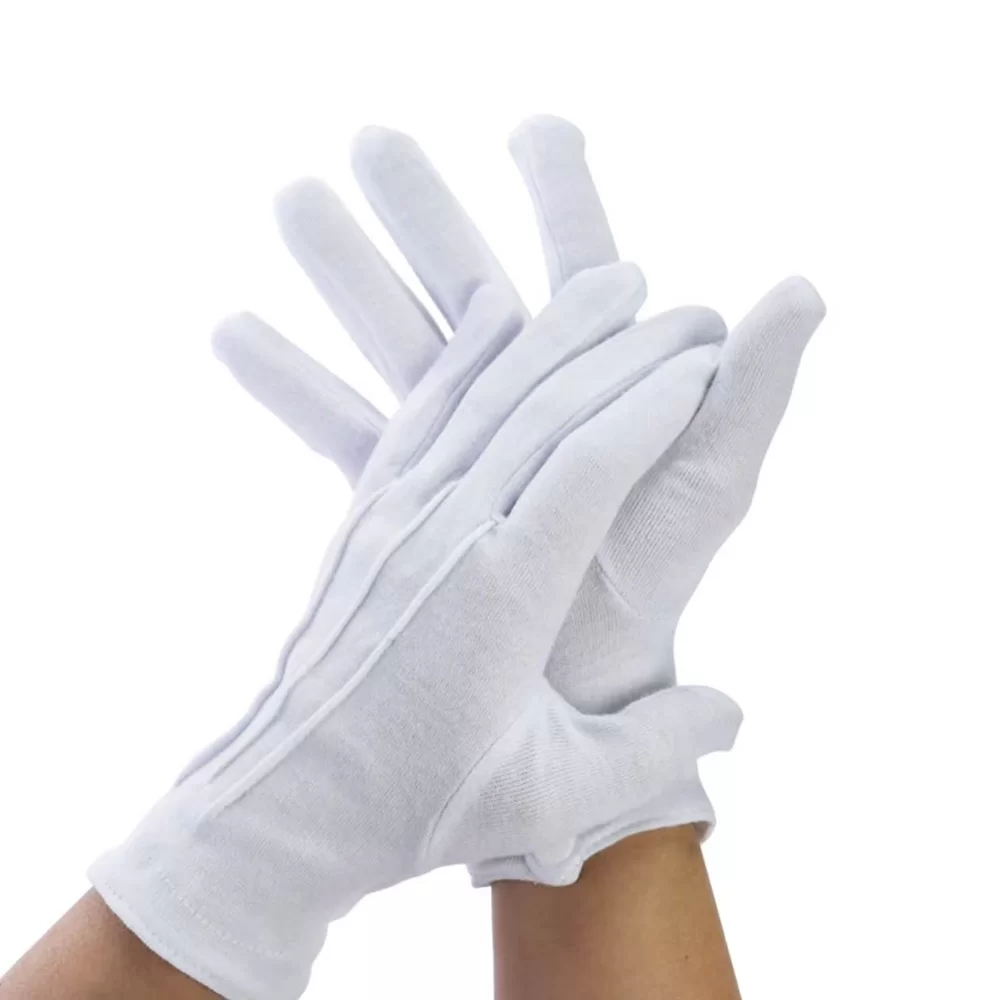
Clean Examination Gloves – Safety, Comfort, and Global Healthcare Essentials
Understanding Clean Examination Gloves: Why They Matter Globally
Clean examination gloves might sound like a simple product, but in reality, they play a crucial role in healthcare, industry, and humanitarian efforts worldwide. Think about it: every day, millions of people rely on these gloves—not just as a protective barrier, but as silent sentinels guarding against infection, contamination, and cross-transmission of diseases. With global health concerns more urgent than ever, understanding what clean examination gloves are, how they work, and why they’re indispensable has never been more important. Beyond health, their usage touches on issues of hygiene, occupational safety, sustainability, and even social dignity.
Global Context: The Rising Demand for Clean Examination Gloves
Globally, the clean examination gloves market has soared, especially after the COVID-19 pandemic spotlighted personal protective equipment (PPE) worldwide. According to the World Health Organization (WHO), glove usage has sharply increased, with international demand growing more than 50% since 2020 [1]. The United Nations’ data echoes this trend, emphasizing gloves as essential in protecting frontline workers and vulnerable populations.
But here’s the catch: while demand booms, supply and quality control aren’t always guaranteed. Challenges such as counterfeit products, inconsistent manufacturing standards, and environmental concerns continue to plague the glove industry. This is exactly where the concept of clean examination gloves comes into sharp focus—as gloves that adhere to strict hygiene and quality benchmarks to ensure safety and efficacy.
What Exactly Are Clean Examination Gloves?
Simply put, clean examination gloves are gloves manufactured under controlled conditions that minimize contamination risks—be it microbiological or particulate. They are typically made from latex, nitrile, or vinyl and are designed for single use, proving essential in medical examinations, laboratories, food handling, and even electronics manufacturing.
Beyond their physical barrier function, these gloves symbolize trust and responsibility—they ensure sterile environments and protect both users and patients from potential harm. In humanitarian contexts, for example, these gloves are frontline essentials during disaster relief operations, vaccination campaigns, and emergency surgeries.
Key Characteristics Defining Clean Examination Gloves
1. Durability and Tear Resistance
Nobody wants a flimsy glove when dealing with sensitive tasks. These gloves are engineered to resist tears and punctures, maintaining integrity during rigorous use. For instance, nitrile gloves often outperform latex in this regard, which is why many facilities opt for nitrile despite the slightly higher cost.
2. Allergen-Free or Low-Allergen Content
Latex allergies are a real concern. Hence, clean examination gloves, especially in healthcare, tend to favor nitrile or vinyl variants to avoid allergic reactions while providing similar tactile sensitivity.
3. Powder-Free Design
Powder was once common as a donning aid but has largely been phased out to reduce contamination and irritation. Modern clean examination gloves are powder-free, aligning with ISO standards to safeguard sensitive procedures.
4. Sterility and Cleanroom Compatibility
Depending on their use, some gloves undergo sterilization and are suitable for operating rooms or pharmaceutical assembly. Their production environment controls particulate levels, making them “clean” and suitable even for electronics assembly lines.
5. Comfort and Ergonomics
Because gloves are often worn for hours, comfort isn’t a luxury—it’s a necessity. Manufacturers incorporate flexible formulations and textures to improve grip and reduce hand fatigue.
6. Regulatory Compliance
Adhering to standards like ISO 11193 for medical gloves ensures consistent quality. It’s a kind of guarantee letting end-users sleep better at night.
Where and How Are Clean Examination Gloves Used Worldwide?
Their prevalence spans continents and industries. In hospitals across Europe and North America, clean examination gloves are non-negotiable for patient safety. In Asia and Africa, NGOs distribute them in refugee camps and during vaccination drives. In food processing plants in South America, gloves prevent microbial contamination. Even in tech industries, they help maintain cleanroom environments that protect sensitive semiconductor wafers.
A striking example: post-disaster relief operations in Haiti and the Philippines have shown how gloves help prevent secondary infections among vulnerable populations. Similarly, during the Ebola outbreak in West Africa, proper glove use was crucial to combat transmission [2].
Product Specification Table: A Typical Clean Examination Glove
| Specification | Typical Value |
|---|---|
| Material | Nitrile (synthetic rubber) |
| Thickness | 4 to 6 mil (0.1 to 0.15 mm) |
| Powder | Powder-Free |
| Sterilization | Gamma or ethylene oxide (optional) |
| Size Range | XS - XL |
| Compliance Standards | ISO 11193, ASTM D6319 |
The Advantages of Clean Examination Gloves: Why Invest?
- Reliable Protection: Guards against harmful pathogens and chemicals, protecting users and those they serve.
- Cost-Effective Safety: Reduces healthcare-associated infection rates, thereby lowering treatment costs.
- Environmental Considerations: New biodegradable materials and recycling options are emerging to tackle waste issues.
- Emotional Trust: Wearing these gloves can instill confidence in frontline workers during high-stress scenarios.
It’s fascinating how something so small influences not only safety but also the trust between healthcare providers and patients. Frankly, quality gloves save lives.
Future Trends: Innovations on the Horizon
Don’t be surprised to see smart gloves equipped with sensors to monitor wearer health and contamination levels soon. Innovation in sustainable materials is accelerating—biopolymers derived from plant-based sources promise the same performance as nitrile but with less environmental impact.
Digital manufacturing trends, like 3D printing and AI-optimized designs, may further enhance glove fit and function. At the policy level, governments and NGOs are pushing for stricter quality controls globally—partly to combat counterfeit PPE flooding developing markets.
Common Challenges and Practical Solutions
Despite advances, supply chain bottlenecks, cost pressures, and counterfeit gloves remain stubborn obstacles. Expert insights suggest stronger international cooperation and better vendor vetting can minimize risks. Additionally, end-users should prioritize purchasing gloves with verifiable certifications to sidestep subpar products.
Vendor Comparison: Leading Clean Examination Glove Manufacturers
| Vendor | Material Options | Certifications | Price Range (per 100 pcs) | Global Reach |
|---|---|---|---|---|
| HMD Glove | Nitrile, Latex | ISO, ASTM, FDA | $10 - $20 | Asia, Europe, Americas |
| CleanGuard Co. | Nitrile, Vinyl | ISO, CE | $8 - $18 | Europe, Africa |
| SafeTouch Ltd. | Latex, Nitrile | FDA, ISO | $12 - $22 | North America, Asia |
Frequently Asked Questions About Clean Examination Gloves
- Q1: Are nitrile gloves better than latex for medical exams?
- In many cases, yes. Nitrile gloves provide comparable protection and are less likely to cause allergic reactions. They also tend to offer better chemical resistance, which suits a variety of clinical and industrial settings.
- Q2: Can clean examination gloves be reused?
- Most clean examination gloves are designed for single use only to prevent contamination and maintain sterility. Reusing gloves can increase risk and is not recommended.
- Q3: How can organizations ensure the gloves they buy are truly 'clean'?
- Look for gloves meeting international certifications like ISO 11193 and FDA approval. Request quality assurance documentation from suppliers and favor those with transparent manufacturing practices.
- Q4: Is powder-free really safer for skin?
- Absolutely. Powder can cause irritation or even respiratory issues if inhaled during glove removal. Powder-free gloves reduce these problems and are now the industry standard.
- Q5: How do clean examination gloves contribute to sustainability?
- Emerging biodegradable materials and recycling initiatives aim to lower ecological footprints. Choosing gloves made from eco-friendly materials is a step forward but requires industry-wide support.
Conclusion: Why Clean Examination Gloves Deserve Your Attention
When you factor in protection, comfort, and reliability, clean examination gloves prove indispensable—not only as practical tools—but as symbols of care and hygiene in an interconnected world. Whether you are a facility manager, healthcare worker, or NGO coordinator, investing in high-quality gloves means investing in safety and trust. Feel free to explore more about clean examination gloves and their specifications through trusted suppliers.
Ready to take the next step? Visit https://www.hmdglove.com for more detailed product info and expert guidance.
1. World Health Organization, PPE Usage Report (2023): who.int
2. Wikipedia, Ebola Virus Disease: en.wikipedia.org/wiki/Ebola_virus_disease
3. ISO Standards for Medical Gloves: iso.org