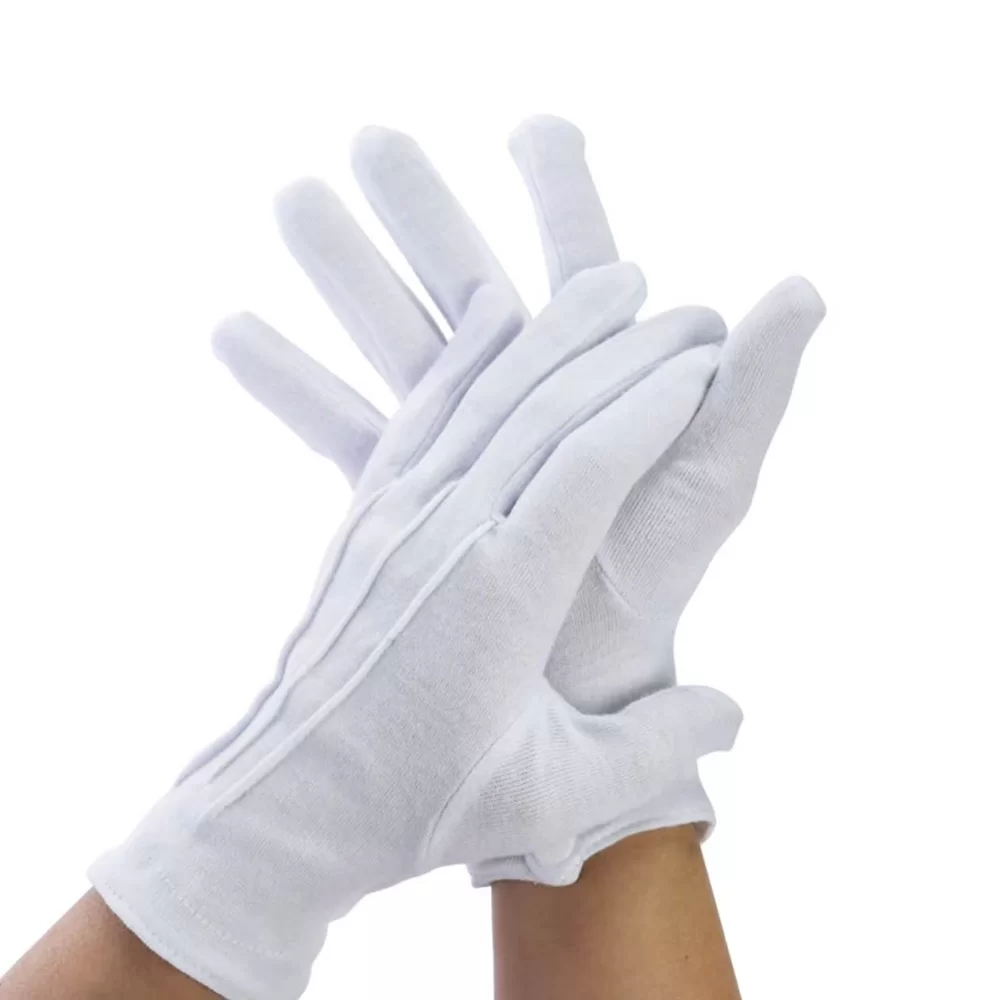
Clean Cuisine Gloves: Essential For Food Safety & Hygiene Worldwide
Clean Cuisine Gloves: Why They Matter More Than Ever
It might seem like a small piece of PPE, but clean cuisine gloves are quietly revolutionizing food safety and hygiene worldwide. From bustling urban kitchens to remote humanitarian relief sites, these gloves protect both the hands that prepare food and the dignity of the people eating it.
In a world still reckoning with supply chain challenges and global health concerns, understanding the key benefits and evolving technology behind clean cuisine gloves can save organizations money, elevate safety standards, and maybe even keep you from falling sick after lunch. Let’s dive into what makes these gloves essential on a global scale.
The Global Role of Clean Cuisine Gloves in Food Safety
According to the World Health Organization, foodborne illnesses affect roughly 600 million people each year, causing 420,000 deaths globally. Much of this stems from improper food handling and cross-contamination. This is where clean cuisine gloves enter the picture, playing a crucial role in the global fight against food safety breaches.
Clean cuisine gloves are widely adopted in the food processing industry, hospitality sector, and humanitarian food distribution efforts. In emergency zones, where sanitation infrastructure might be decimated, the presence of well-designed, clean gloves can be the difference between safe meals and outbreaks of illness.
For example, the UN’s Food and Agriculture Organization (FAO) stresses the importance of hygiene in food supply chains as a baseline for nutrition security worldwide. Clean cuisine gloves, conforming to standards like ISO 21469 (hygienic production of food grade lubricants and materials), support that baseline.
Mini takeaway: The widespread health impacts of foodborne illness highlight the global need for high-quality gloves designed specifically for clean food handling.What Exactly Are Clean Cuisine Gloves?
In simple terms, clean cuisine gloves are disposable or reusable gloves crafted from materials that meet rigorous food-grade standards. They’re engineered to prevent food contamination during preparation, handling, and serving. Unlike standard household gloves, these are often designed to be powder-free, latex-free or low in allergens, and resistant to oils and fats.
These gloves bridge technology and practicality — tightly controlled manufacturing credentials ensure they’re chemically safe and physically reliable. For industries ranging from large-scale food manufacturing plants to small street-food vendors, they provide a straightforward means to comply with health and safety laws.
Humanitarian groups depend on these clean gloves to maintain hygiene while distributing ready-to-eat meals or working in makeshift kitchens post-natural disasters. Without them, volunteers risk spreading pathogens unwittingly, no matter how well-intentioned.
Mini takeaway: Clean cuisine gloves are more than a “barrier”—they’re a globally trusted solution aligning hygiene with health regulations in diverse food environments.Key Aspects to Consider When Choosing Clean Cuisine Gloves
1. Material & Safety Standards
Common materials include nitrile, latex, vinyl, and polyethylene, each with unique properties. Nitrile gloves, for instance, offer excellent puncture resistance and low allergenicity, while polyethylene gloves are cost-effective for light tasks. The key is compliance with food safety standards — FDA, ISO, and ASTM certifications help guarantee glove safety.
2. Durability & Tactility
You want a glove that’s puncture and tear resistant but still allows dexterity. A butcher or chef needs to feel a knife's edge subtly, while line workers require gloves resistant to chemical cleaners. This balance is tricky but crucial for real-world use.
3. Comfort & Fit
Hand fatigue is real. Gloves that fit poorly or have rough seams discourage continuous use. Many suppliers now focus on ergonomic designs and softer materials that reduce sweating and skin irritation.
4. Environmental Impact
While many gloves are disposable, biodegradable and reusable options are gaining momentum to address rising ecological concerns. Organizations increasingly demand sustainable glove choices that don’t sacrifice hygiene.
5. Cost Efficiency
Bulk procurement is common, especially for NGOs and large food factories. The best gloves provide consistent quality at a price point that supports repeated, large-volume use without cutting corners on safety.
Product Specification Table: Typical Clean Cuisine Gloves
| Specification | Details |
|---|---|
| Material | Nitrile, Latex-free |
| Thickness | 4 mil (approx. 0.1 mm) |
| Powder | Powder-free |
| Length | Approx. 9.5 inches (240 mm) |
| Certification | FDA Food Contact Safe, ISO 21469 |
| Available Sizes | S, M, L, XL |
Global Applications and Real-World Use Cases
Clean cuisine gloves find usage across a fascinating array of regions and industries, reflective of the global demand for hygienic food handling solutions.
- Commercial Kitchens: Restaurants, cafeterias, and catering services in Europe and North America depend on clean cuisine gloves daily to meet health inspections and customer expectations.
- Food Processing Plants: Meatpacking and fresh produce facilities in South America and Asia implement rigorous glove usage protocols to maintain product integrity and worker safety.
- Humanitarian Missions: Groups like the Red Cross deploy gloves in field kitchens in post-disaster zones such as Haiti or the Philippines. Here, gloves are often paired with rapid hygienic food prep tents.
- School and Healthcare Facilities: Ensuring children and patients are fed safely in Africa’s rural clinics involves gloves that comply with strict sanitation controls.
In many cases, these gloves dramatically reduce foodborne illnesses, representing tangible social impact alongside operational benefits.
Mini takeaway: From high-end kitchens to famine relief soup lines, clean cuisine gloves serve as essential tools for hygiene and health worldwide.Advantages of Embracing Clean Cuisine Gloves Long-Term
On a strictly practical level, these gloves reduce accidental contamination from skin oils, bacteria, and allergens. But that’s just the beginning.
Cost-wise, investing in dependable glove supplies saves money by preventing recalls and sickness outbreaks. Think about the days lost when staff fall ill or entire food batches have to be discarded.
Sustainability-wise, newer biodegradable options are creating a kinder environmental footprint, an issue that’s impossible to ignore anymore.
Many operators report that consistent glove use elevates trust with customers and regulators alike, an intangible but incredibly valuable benefit. That sense of reliability can boost brand reputation and employee confidence.
Future Trends & Innovations in Clean Cuisine Gloves
There’s a growing wave of innovation stirring in glove design:
- Smart Gloves: Embedded sensors that detect contamination or proper wear time.
- Eco-friendly Materials: Plant-based polymers and compostable films starting to replace synthetic plastics.
- Automated Dispensing Systems: Touchless glove dispensers that improve compliance in busy kitchens.
- Customization: Gloves tailored for specific tasks or health sensitivities, improving comfort and functionality.
Also, stricter global standards and regulations are pushing manufacturers to innovate quickly while maintaining affordability.
Common Challenges & Practical Solutions
Still, no glove is perfect. A few ongoing issues include:
- Allergic reactions (especially latex allergies).
- Balancing cost with durability—cheap gloves often tear easily.
- Waste accumulation from single-use gloves.
Experts suggest combining glove use with comprehensive hygiene training and exploring reuse where safe. Also, partnering with suppliers to trial bioplastics or nitrile alternatives can help.
Vendor Comparison: Top Clean Cuisine Glove Suppliers
| Vendor | Material | Certifications | Price Range | Sustainability |
|---|---|---|---|---|
| HMDGlove | Nitrile, latex-free | FDA, ISO 21469 | $$ | Biodegradable options |
| SafeHand | Vinyl | FDA compliant | $ | Limited |
| EcoGlove | Plant-based biopolymer | ISO 9001 | $$$ | Highly sustainable |
FAQ: Common Questions About Clean Cuisine Gloves
What materials are best for minimal allergic reactions?
Latex-free nitrile gloves are often recommended as they minimize latex allergy risks while providing good puncture resistance and comfort. Powder-free versions further reduce irritation, making them ideal for sensitive users.
Can clean cuisine gloves be reused?
Typically, clean cuisine gloves are designed for single use to avoid cross-contamination. However, some thicker and reusable gloves are suitable for multiple uses, provided they can be properly sanitized between applications. Always follow manufacturer guidelines.
How do I choose the right glove size?
Proper glove size is crucial. Gloves that are too tight cause discomfort and tears; too loose reduce dexterity. Measure hand circumference and length, then consult vendor sizing charts. Many suppliers offer sample packs to help with testing.
Are biodegradable gloves as reliable as traditional ones?
Biodegradable gloves have improved greatly, offering good puncture resistance and chemical safety. However, some types might degrade faster under certain conditions. When buying, verify certifications and test performance in your specific environment.
How can NGOs import clean cuisine gloves internationally?
NGOs should collaborate with certified suppliers familiar with international shipping regulations. Bulk purchasing combined with clear documentation (including compliance certificates) smooth customs clearance. Partnering with global distributors can reduce delays.
Conclusion: Clean Cuisine Gloves as a Pillar of Food Safety
Looking ahead, clean cuisine gloves will continue playing a vital role in safeguarding health from kitchen prep lines to crisis relief meals. Their benefits ripple through cost savings, improved trust, and sustainability efforts.
If you want to explore reliable sources for these gloves, don’t hesitate to check out clean cuisine gloves from trusted suppliers offering innovation and certification you can count on.
Stay safe, and keep those hands clean!
References: