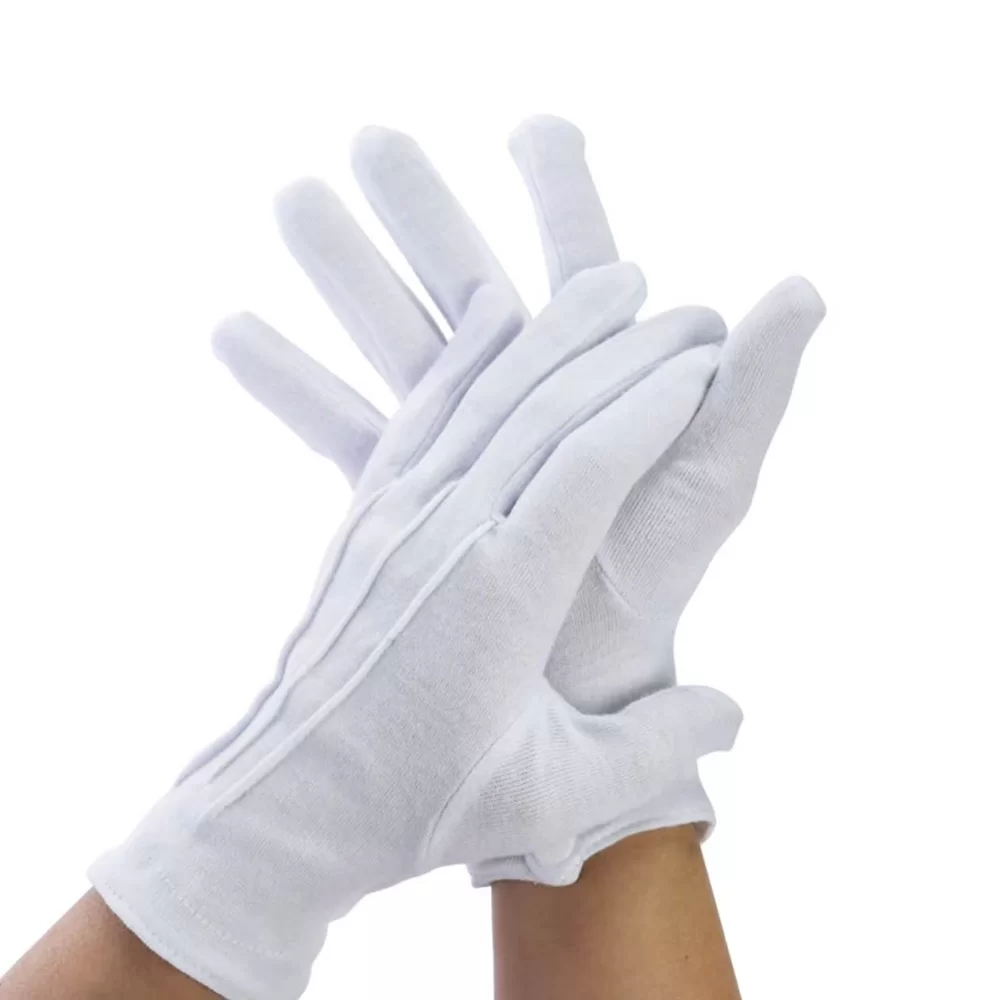
Equestrian Riding Gloves – Breathable Grip, Touchscreen
Field Notes on Equestrian Riding Gloves: Grip, Breathability, Real-World Durability
I’ve spent enough time ringside to know: gloves are quiet game changers. The best Equestrian Riding Gloves feel invisible until the moment you half-halt or slip the reins and suddenly realize how much control they’re giving you. The current trend? Lightweight microfibers with targeted silicone mapping, plus smarter stitching that reduces hot spots on long hacks. Honestly, riders just want grip without sweaty palms.
What’s driving the market
- Seasonal rotation: perforated summer gloves and lightly insulated winter versions.
- Touchscreen fingertips for arena-side video reviews (yes, we all do it).
- Compliance-aware materials: REACH-safe dyes, skin-friendly liners, and OEKO-TEX tested textiles.
- Performance-first tailoring: gussets at knuckles, low-profile closures, and curved finger patterns.
Product snapshot: specs that matter

| Parameter | Spec (≈ / real-world may vary) |
|---|---|
| Palm material | Microfiber suede (0.7–0.8 mm) with silicone micro-dots |
| Back of hand | Breathable mesh + spandex panels; UV-resistant dyes |
| Air permeability | ≈ 500–800 mm/s (ISO 9237) |
| Abrasion durability | ≥ 12,000 cycles Taber CS10, 1 kg (ASTM D3884) |
| Grip coefficient (dry/wet) | ≈ 0.65 / 0.48 on leather reins |
| Sizes | XXS–XL (unisex); youth sizes available |
| Certifications | EN ISO 21420 compliance, REACH, OEKO-TEX Standard 100 (materials) |
How they’re made (and tested)
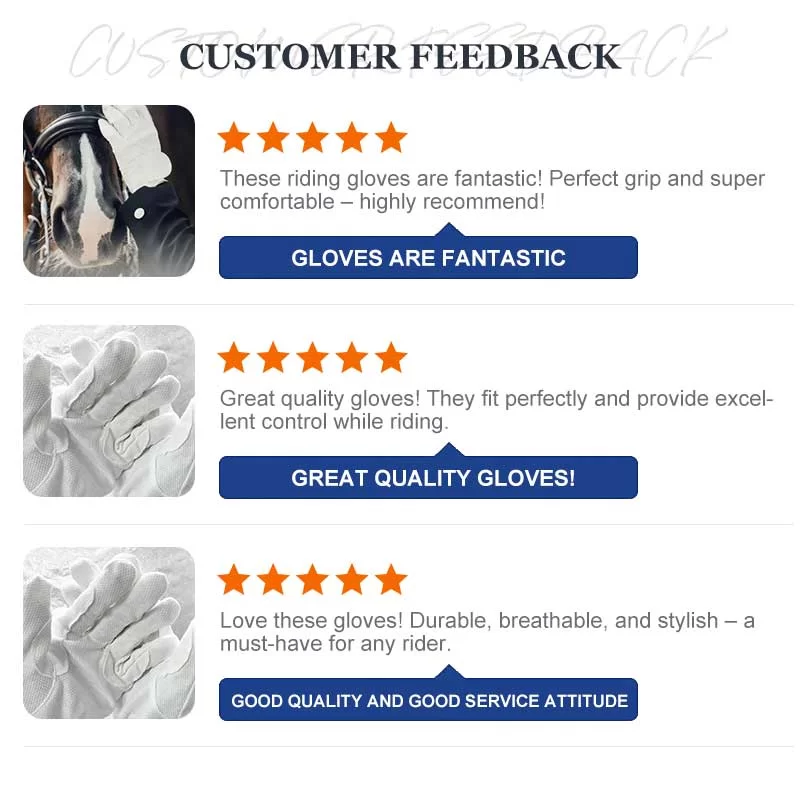
Materials are CAD-cut to maintain grain orientation, then assembled with flatlock and double-needle seams in stress zones. Palms receive silicone mapping only where reins contact—less is more here—to avoid bulk. Touchscreen tips use conductive microfilament thread. After assembly, gloves undergo:
- Seam strength testing (ISO 13935-2).
- Colorfastness to perspiration (ISO 105-E04) and light (ISO 105-B02).
- Water vapor resistance (ISO 11092) to gauge clamminess.
- Optional EN 388 abrasion checks for mechanical resilience.
Service life: around 12–24 months for active riders; schooling on rough laced reins shortens that. Many customers say the grip “beds in” after the first week and stays predictable.
Where they shine
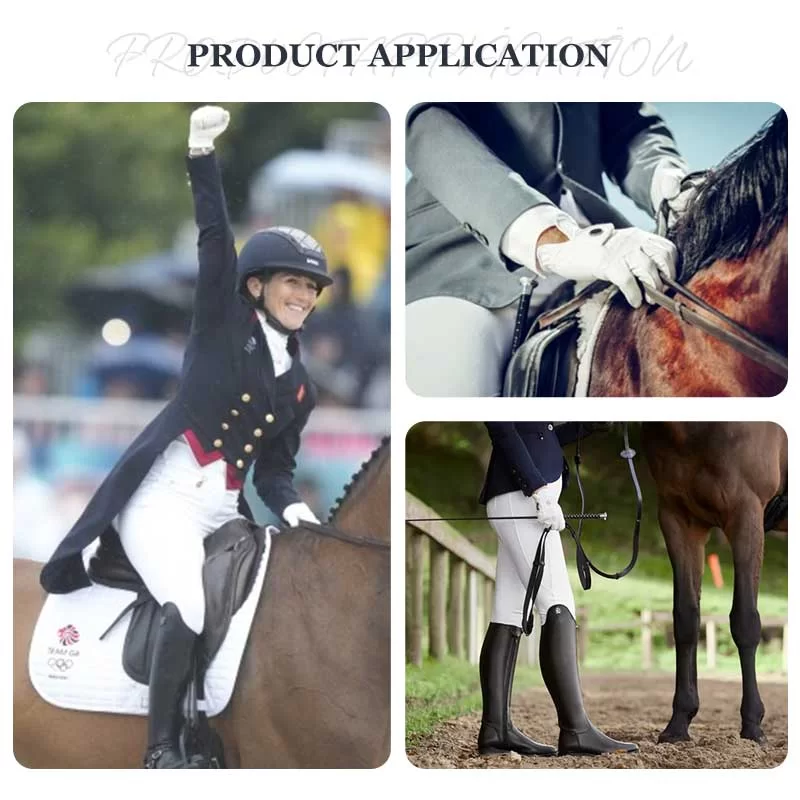
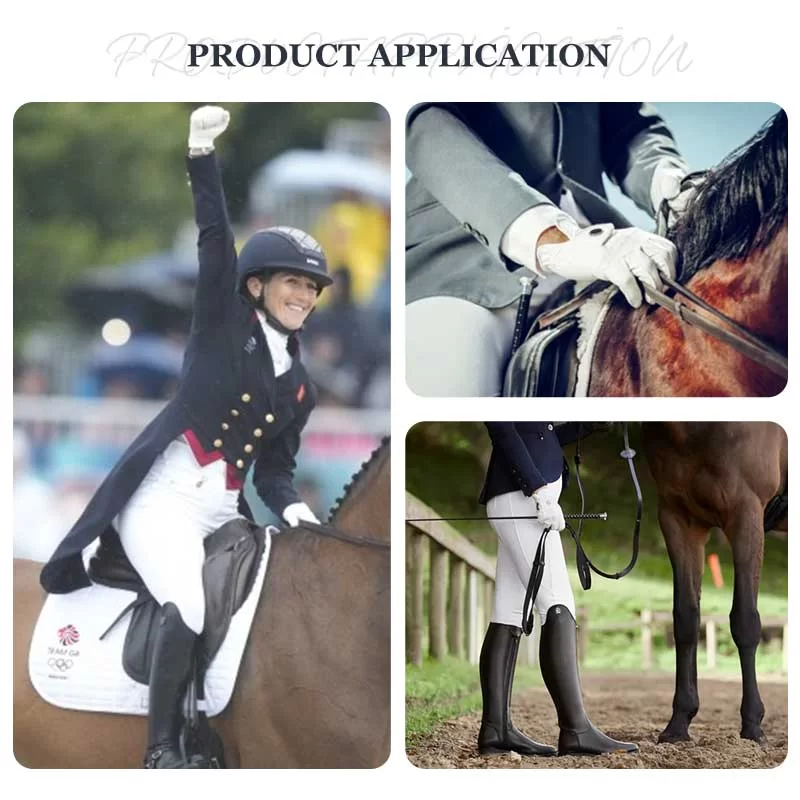
Dressage demands fingertip nuance; show jumpers favor quick rein slips; eventers need wet-grip insurance; trail riders want breathability and modest padding for long hours. For winter, add a thin fleece liner—works surprisingly well without drowning rein feel.
Customization and sourcing
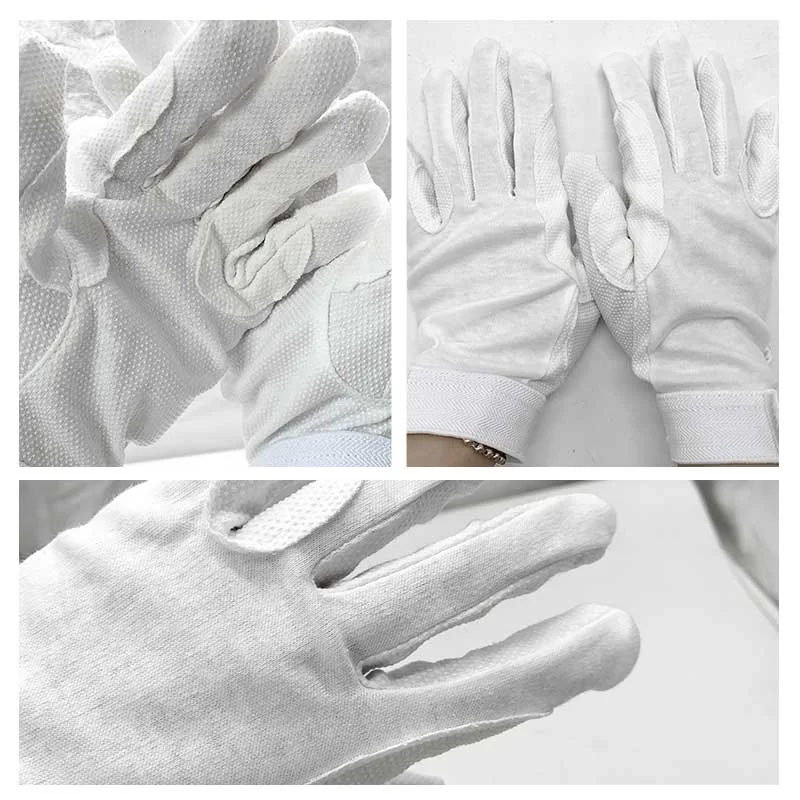
Equestrian Riding Gloves can be customized with embossed logos, colorways to match team kits, reinforced ring fingers for double reins, or eco-leather palms. MOQ typically starts ≈ 300–500 pairs, with 25–35 day lead times after sample approval. Origin: No.553 Taihua street Shijiazhuang, Hebei, China.
Vendor snapshot (informal, buyer’s-eye view)
| Vendor | Core Material | Grip Tech | Typical Price | Certs/Standards | Lead Time |
|---|---|---|---|---|---|
| HMD Glove (China) | Microfiber suede + mesh | Silicone micro-dots | Mid, value-oriented | EN ISO 21420, REACH | ≈ 25–35 days |
| Roeckl (EU) | Synthetic suede (dry-feel) | Embossed microtexture | Premium | OEKO-TEX, in-house QA | Retail availability |
| Ariat/Heritage (US/EU) | Mixed microfiber, leather trims | Printed silicone zones | Mid–Premium | REACH, brand QA | Retail availability |
Mini case studies
- Riding school (45 horses): switched to microfiber versions; glove consumption dropped ≈ 28% over 6 months due to better abrasion resistance.
- Eventer in a rainy region: reported steadier wet-grip vs. plain leather palms, especially on rubberized reins.
- Youth team: custom color cuffs improved kit consistency; parents liked machine-washability at 30°C (always air-dry; heat kills elastic).
Standards & references
- EN ISO 21420:2020 – General requirements for protective gloves. https://www.iso.org
- ASTM D3884 – Standard Guide for Abrasion Resistance of Textile Fabrics (Taber). https://www.astm.org
- ISO 9237 – Textiles: Determination of permeability of fabrics to air. https://www.iso.org
- REACH Regulation (EC) No 1907/2006 – EU chemical safety compliance. https://echa.europa.eu
- OEKO-TEX Standard 100 – Harmful substance limits for textiles. https://www.oeko-tex.com